 how-to
How to Fight Denied Insurance Claims
Table of Contents
- Why Insurance Claims Get Denied
- Gathering Evidence for a Denied Property Insurance Claim
- Understanding Your Homeowners Insurance Denial Letter
- Writing a Homeowners Insurance Claim Appeal Letter
- Insurance Claim Appeal Timeline and Process
- Fighting a Denied Roof Insurance Claim
- When to Escalate: Public Adjusters and Legal Action
- Frequently Asked Questions
Last Updated: October 6, 2026
Why Insurance Claims Get Denied
Understanding why insurers deny claims helps you fight denied insurance claims more effectively.
Common denial reasons include:
- Policy exclusions. Your policy doesn't cover the damage type
- Lack of coverage. The event falls outside your coverage period or limits
- Insufficient documentation. Photos or damage reports are missing or unclear
- Timing issues. You waited too long to report the damage
The difference between a covered loss and a denied claim often comes down to how well you document the damage and understand your policy language. At LRI Restorations, we've helped homeowners challenge denials by gathering solid evidence and presenting clear appeals.
Gathering Evidence for a Denied Property Insurance Claim
Evidence is your strongest tool when you fight denied insurance claims. Start collecting it immediately after damage occurs.
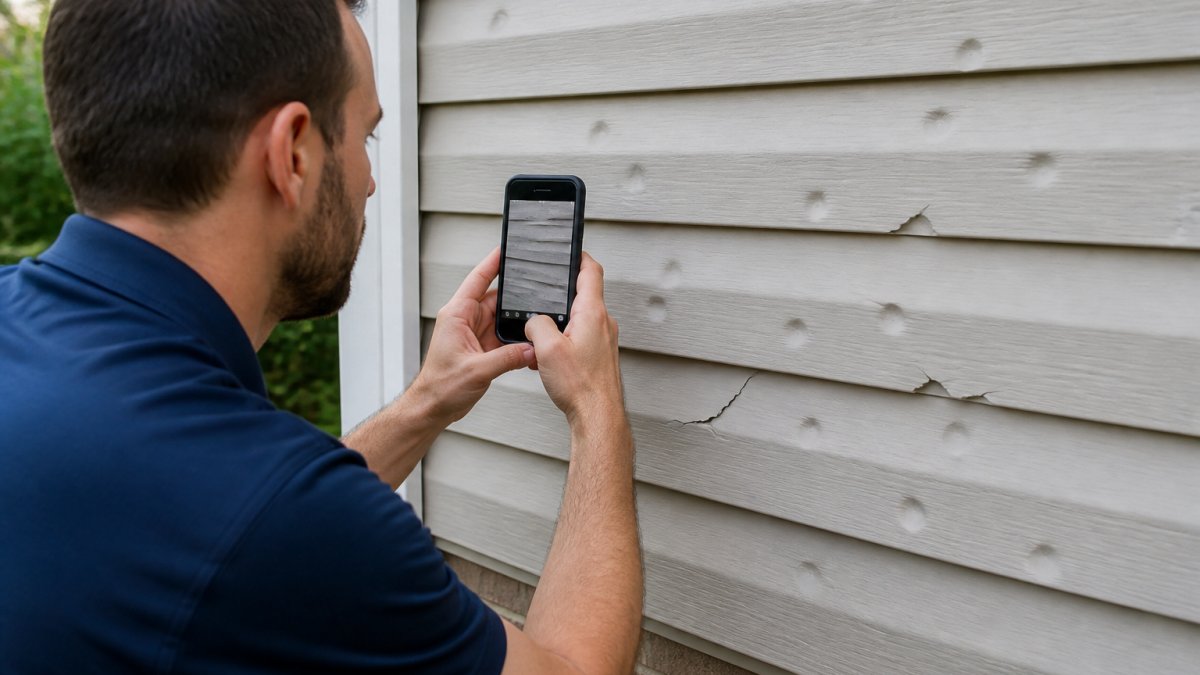
Document the damage with photos and video:
- Take photos from multiple angles, in good natural light, showing overall damage and close-ups
- Include a ruler, coin, or hand for scale
- Record a narrated video walkthrough
- Capture undamaged portions next to damaged ones for context
Collect written documentation:
- Keep repair estimates from licensed contractors and weather reports from the damage date
- Document your policy details and coverage limits
- Note when you first noticed damage and any temporary repair costs
Preserve physical evidence:
- Keep damaged siding, roofing, or other materials the adjuster needs to see
- Store photos and documents in multiple places (cloud backup, email, external drive)
Insurers take documented claims more seriously than verbal complaints.
Understanding Your Homeowners Insurance Denial Letter
Your denial letter contains the reason the insurer rejected your claim. Read it carefully to understand their specific objection.
Denial letters typically state:
- The policy section cited
- The reason for denial (exclusion, lack of coverage, insufficient proof)
- The decision date and appeal instructions
Common denial language includes "not a covered peril" (the damage type isn't covered), "wear and tear" (they claim age caused it, not a sudden event), or "policy exclusion" (a specific exclusion applies).
The letter should tell you exactly which policy language they're using. If it doesn't, request clarification in writing.
Writing a Homeowners Insurance Claim Appeal Letter
Your appeal letter is your chance to challenge the denial directly. Make it clear, factual, and professional.
Structure your appeal letter:
- Header: Your name, policy number, claim number, date
- Opening: "I am appealing the denial of my insurance claim dated [date]"
- Body: Explain why the denial is incorrect using your evidence
- Evidence summary: List attached photos, estimates, and documentation
- Closing: Request full claim payment or reconsideration
What to include in your letter:
- Reference the specific policy language they cited
- Explain why their reasoning is incorrect
- Cite your evidence (photos, contractor estimates, weather reports)
- Describe the damage and how it occurred
- Address any timeline issues if they cited delay
Keep the tone professional:
- Avoid emotional language or accusations; stick to facts and evidence
- Be concise, one to two pages, and use clear, simple language
Send your appeal letter via certified mail with return receipt and keep copies of everything. This creates a documented record of your appeal.
Insurance Claim Appeal Timeline and Process
The appeal process is not one timeline, it is three parallel tracks: the insurer's internal review, your state insurance department's complaint process, and the appraisal or legal track if the first two stall. Knowing which track you are on separates a denial that gets reversed from one that gets ignored.
Track 1: The Insurer's Internal Appeal
After you send your appeal letter by certified mail, the insurer's internal review typically runs on this sequence. Exact deadlines vary by policy and state, so check your denial letter and your state insurance department's published rules.
- Acknowledgement: Most insurers acknowledge receipt within a few business days. If you hear nothing in two weeks, call and request the claim file reference number in writing.
- Reassignment: Appeals are usually routed to a different adjuster or supervisor. Ask for the reviewer's name and direct contact.
- Reinspection: The insurer may send a second adjuster. You have the right to be present, bring your contractor.
- Supplement request: If the insurer agrees damage is covered but disputes scope, submit a supplement, a line-item revision to the original estimate. Supplements are the most common way partial denials get resolved without escalation.
- Decision: The insurer issues a written decision. If it is another denial, it should restate the specific policy language; if not, note that omission in your next step.
Track 2: State Insurance Department Complaint
Every state has an insurance regulator that accepts consumer complaints against licensed insurers. Filing is free, creates a formal record, and insurers must respond. It is often the fastest lever a homeowner has, and the step most people skip.
- Find your state's insurance department through the National Association of Insurance Commissioners (NAIC) directory at naic.org.
- File online or by mail with your claim number, denial letter, and a short factual summary.
- Keep it factual, regulators respond to timelines and policy citations, not frustration.
- Expect the insurer to respond within the timeframe your state requires.
Track 3: Appraisal, Public Adjuster, or Attorney
If the insurer agrees the loss is covered but you disagree on the amount, many policies include an appraisal clause. Each side hires a qualified appraiser, the two pick an umpire, and the panel sets the amount.
If the dispute is about coverage itself, the escalation path is a public adjuster or an attorney. Public adjusters typically charge a percentage of the settlement (commonly around 10 percent, varying by state).
What to Do While You Wait
- Mitigate. If damage is still exposing the interior, make temporary repairs and keep every receipt. Most policies reimburse reasonable mitigation costs separately from the claim.
- Document the wait. Note every call, email, and missed callback. A pattern of delay is evidence if you later allege bad faith.
- Do not sign a release. Some releases waive your right to supplement later.
- Watch the clock. Policies typically contain a deadline to file suit, often one to two years from the date of loss, sometimes shorter. Do not let the appeal process run out that clock.
Fighting a Denied Roof Insurance Claim
If your denial letter cites the roof rather than the siding, the same appeal mechanics apply, but the coverage question and winning evidence differ. Use the decision tree below to pinpoint where your denial actually sits before you write anything.
Siding-Specific Coverage Decision Tree
Work through these questions in order. The first "no" is usually where the insurer is anchoring its denial.
- What caused the damage? Hail, wind, and falling debris are typically named perils; wear, age, rot, and deferred maintenance are typically excluded. If you cannot name the peril in one sentence, you have not found your strongest argument.
- When did it happen? Policies only respond to damage during the coverage period. If damage predates your policy or occurred during a lapse, the insurer's position is strong. Pull weather records for the date you noticed it and any storm in the prior 12 months.
- Is the damage sudden or progressive? Sudden, accidental damage is the classic covered event; gradual deterioration, chalking, fading, hairline cracking over years, is the classic exclusion. Photos taken over time are the only reliable way to show the difference.
- Does the policy language match the denial? Read the exact section cited. "Wear and tear" and "faulty maintenance" are different exclusions with different burdens of proof. If the letter cites one and the facts support the other, say so.
- Is the damage cosmetic or functional? Many policies cover functional damage (water intrusion, structural compromise, loss of weather-tightness) but exclude purely cosmetic damage. If the insurer calls hail dents "cosmetic," document water staining, soft spots, or interior moisture readings.
- What does the maintenance record show? Receipts for painting, caulking, and prior repairs shift the burden back to the insurer. A homeowner who can show a maintained exterior is much harder to deny on maintenance grounds.
How Siding Denials Differ From Roof Denials
Roof denials usually turn on age and shingle condition. Siding denials usually turn on cause and maintenance history. Your evidence packet should look different:
- Hail and wind siding claims: close-up photos with a reference object for scale, a weather report showing hail size or sustained wind speed at your address, and a contractor's written assessment tying impact marks to that storm.
- Water intrusion behind siding: interior photos, moisture meter readings, and a written scope from a licensed contractor showing where water entered and what it damaged.
- Cosmetic-only denials: photos of the same elevation before and after the storm, plus any neighbor's matching damage on the same street and storm date.
When the Roof and Siding Claims Overlap
Storm claims often involve both. If the insurer approved the roof but denied the siding (or the reverse), that inconsistency is itself an appeal argument.
If the denial is specifically about the roof and you have exhausted the steps above, the escalation path in the next section applies equally, public adjusters and attorneys handle roof and siding disputes the same way.
When to Escalate: Public Adjusters and Legal Action
If your appeal is denied again, you have options beyond writing letters.
When to consider a public adjuster:
- Your claim involves significant damage (typically $10,000 or more)
- The insurer has denied your appeal twice
- You lack expertise in insurance claim documentation
- The claim involves complex coverage questions
When to consult an attorney:
- The denial appears to be bad faith (the insurer is acting unreasonably)
- Your state allows bad faith lawsuits against insurers
- The claim amount justifies legal fees
- The insurer has ignored state insurance regulations
An insurance attorney can review your case, send formal demand letters, and file lawsuits if necessary.
Fighting a denied insurance claim takes patience and documentation. Understand why the insurer denied your claim, gather solid evidence, and write a clear appeal letter.
At LRI Restorations, we work with homeowners to document storm damage and support insurance appeals.
Frequently Asked Questions
What should I do if my homeowners insurance claim is denied?
First, review the denial letter carefully to understand the stated reason. Gather documentation including photos, contractor estimates, and evidence that contradicts the denial. File a written appeal within your policy's timeframe (typically 30-60 days). Include new evidence, a detailed explanation of why you disagree, and reference your policy language. Send it certified mail to create a paper trail. If the insurer denies your appeal, consider hiring a public adjuster or attorney.
How long do I have to appeal a denied homeowners insurance claim?
Most insurance policies allow 30 to 60 days from the denial date to file a formal appeal, but this varies by state and policy. Check your denial letter for the specific deadline. Some states require insurers to acknowledge your appeal within 15-30 days and issue a decision within 30-45 days after that. Missing the deadline can forfeit your right to appeal, so act quickly and document when you submit your appeal with certified mail or email confirmation.
What evidence can help overturn a denied roof or siding claim?
Collect dated photos and videos showing the damage and its extent. Obtain written estimates from licensed contractors detailing what was damaged and repair costs. Hire an independent engineer or inspector for a professional damage assessment. Gather weather records proving the storm occurred. Review your policy to find language supporting coverage. If the insurer's adjuster missed damage, get a second assessment. Expert reports carry significant weight in appeals and often convince insurers to reconsider.
Should I hire a public adjuster for a denied property insurance claim?
A public adjuster can be valuable if the claim is substantial, the denial seems unfair, or you lack documentation expertise. They work on contingency (typically 10% of the settlement increase) and handle the appeal process. However, they cost money only if they recover additional funds. For smaller claims or straightforward denials, you may appeal yourself. For complex damage, multiple denials, or high-value properties, a public adjuster's experience often pays for itself through better settlements.