 how-to
Steps to Take After Hurricane Roof Damage: 2026 Guide
Table of Contents
- Step 1: Ensure Safety and Document Hurricane Roof Damage
- Roof Storm Damage Inspection Checklist: What to Look For
- Signs of Structural Roof Damage vs. Cosmetic Issues
- Emergency Roof Tarping Services: DIY Safety and Professional Help
- How to File a Roof Insurance Claim After a Hurricane
- Choosing a Reputable Roofing Contractor and Verifying Warranties
- Frequently Asked Questions
Last Updated: October 1, 2026
Step 1: Ensure Safety and Document Hurricane Roof Damage
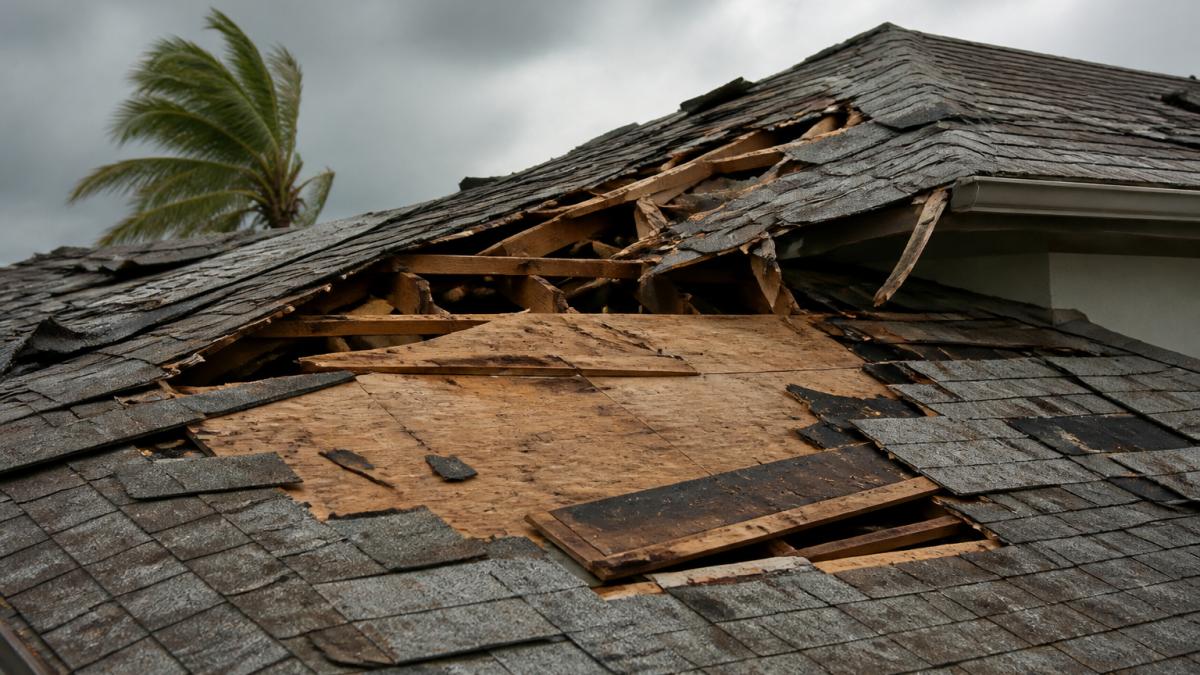
The most important step after a hurricane is to stay off the roof and document everything from the ground. Storm damage kills people every year, and most of those deaths happen after the storm passes. This guide walks you through hurricane roof damage recovery, from safety checks to insurance claims to hiring the right contractor.
Here's what to do right now:
- Stay off the roof unless you're a trained professional
- Check for downed power lines before stepping outside
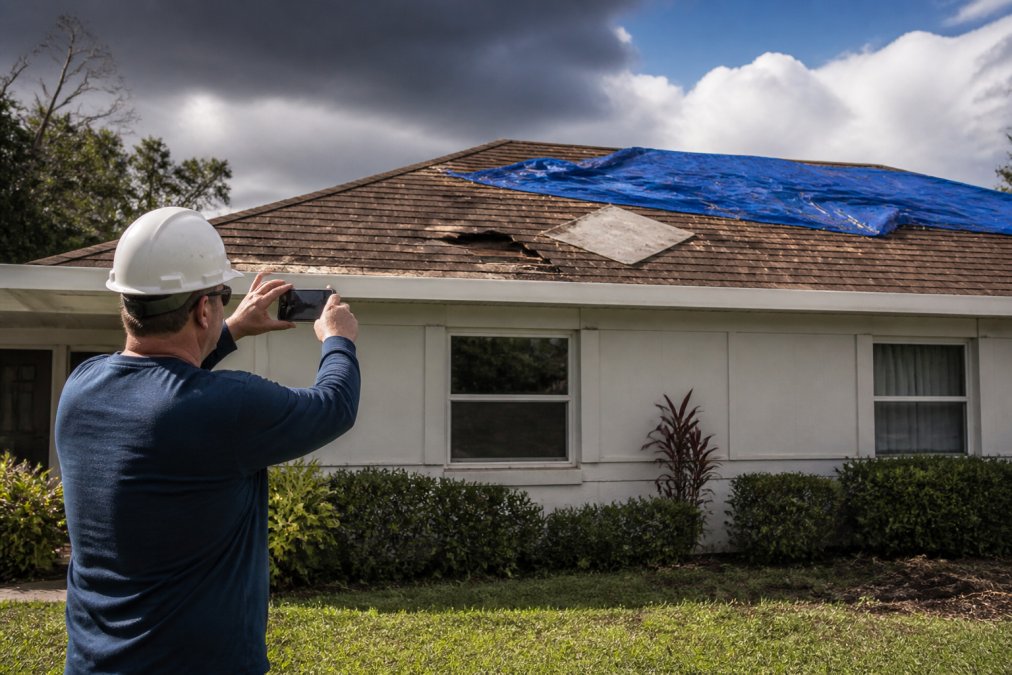
- Photograph everything from the ground with your phone
- Call your insurance company within 24 hours
- Cover broken windows and doors with plywood
Safety First: When to Stay Off the Roof
Never walk on a hurricane-damaged roof. The structure may look fine from the ground but be weak enough to collapse under your weight, and hidden decking damage can give way without warning. Call a licensed roofing contractor for any roof inspection after a storm, a professional has the training, harnesses, and fall protection to do it safely.
Roof Storm Damage Inspection Checklist: What to Look For
A proper roof storm damage inspection checklist covers both the exterior and the attic. Start on the ground with binoculars. Look for lifted, cracked, or missing shingles, dented flashing, and debris stuck in the gutters.
Your checklist should include:
- Missing, cracked, or lifted shingles
- Damaged flashing around chimneys and vents
- Granule loss on asphalt shingles
- Dented or bent gutters
- Water stains on attic ceilings and walls
- Soft spots in the roof deck
Attic and Interior Signs of Water Intrusion
Water intrusion rarely shows up right away, it can take days for stains to appear on your ceiling. Check your attic after every major storm, even if the roof looks fine outside. Dark spots, a musty smell, and sagging drywall are early warning signs that moisture is trapped inside your walls.
Signs of Structural Roof Damage vs. Cosmetic Issues
The difference between cosmetic and structural roof damage decides whether you need a repair or a full replacement. Cosmetic damage is surface-level: faded shingles, minor granule loss, or small dents that don't affect performance. Structural damage affects the roof's ability to protect your home, sagging rooflines, cracks in the decking, and water in the attic all signal it. An insurance adjuster will look closely at this distinction, because policy coverage often treats the two differently.
Here's a quick way to tell them apart:
| Sign | Cosmetic | Structural |
|---|---|---|
| Missing shingles | Few, isolated | Widespread, exposed deck |
| Flashing | Minor bends | Torn, separated |
| Roofline | Straight | Sagging or dipping |
| Attic | Dry | Stains, damp insulation |
Emergency Roof Tarping Services: DIY Safety and Professional Help
Emergency roof tarping is the single highest-value mitigation step you can take after a hurricane. A tarp will not fix the roof, but it stops the water that drives mold growth, ruined insulation, and sagging drywall, and the clock is short, since mold can colonize wet attic decking in under 48 hours.
DIY Tarping Safety Protocols
If, and only if, the damage is minor, the roof pitch is low, the surface is dry, and you have proper fall protection, a small tarp job is possible. Follow these protocols in order:
- Never go up alone. Have a second adult on the ground who can call for help and who knows where the ladder is.
- Check for live power first. Assume any downed or dangling line is energized. Do not touch the roof, gutters, or metal flashing if a line is anywhere near them. Call the utility.
- Use a fiberglass or wood ladder, not aluminum, and set it on firm, level ground at a 4:1 angle (1 foot out for every 4 feet of height). Tie it off at the top.
- Wear a full-body harness anchored to a separate anchor point, not to the ladder, not to a chimney that may be compromised. A roof anchor rated for fall arrest is the minimum.
- Wear soft-soled shoes with grip, and never step on a wet, mossy, or granule-shedding surface.
- Stay off any area with a sagging roofline, soft decking, or daylight visible through the boards. Those are structural-failure signals.
- Do not tarp in wind above roughly 20 mph, in lightning, or in active rain. The tarp becomes a sail.
How to Tarp Correctly (If You Proceed)
A tarp that flaps off in the next storm is worse than no tarp, because it can tear shingles and gutters on the way down. The mechanics matter:
- Use a heavy-duty polyethylene tarp (6 mil minimum; 10-20 mil for extended coverage) sized to overhang the damaged area by at least 4 feet on every side.
- Run the tarp from the ridge down over the eave, never the reverse, water must shed off, not pool behind the top edge.
- Anchor with 1x4 or 2x4 furring strips screwed through the tarp into solid decking, not into the shingles alone. Nailing through shingles creates new leak points.
- Use capped roofing nails or screws with washers; staples and rope alone will not hold in hurricane-remnant winds.
- Seal seams with roofing tape if you must overlap tarps.
- Photograph the finished installation from the ground, before and after, with a timestamp. Insurers frequently question whether mitigation was performed, and dated photos settle the dispute.
When to Call a Professional Tarping Crew
Most hurricane damage is not a DIY job. Lifted shingles, torn flashing, exposed decking, and wet surfaces make the roof unsafe for anyone without training and fall-arrest gear. Professional storm-damage crews arrive with harnesses, anchor systems, commercial-grade tarps, and documentation for your claim.
When you call, ask three questions:
- Do you carry general liability and workers' compensation insurance? (Get the certificate.)
- Will you photograph the before-and-after and provide the images to me for my claim?
- What is your emergency-response time, and do you charge for the tarp itself or only the labor?
How to File a Roof Insurance Claim After a Hurricane
Filing a roof insurance claim starts with a phone call to your insurer, ideally within 24 to 48 hours of the storm. Most policies require prompt notice of loss, and the longer you wait, the harder it becomes to prove the damage came from the hurricane rather than age or a later event.
Here is the sequence that works:
- Call your insurer and open a claim. Get a claim number and the name and direct line of the assigned adjuster.
- Document everything before you repair anything. Photograph and video the roof from the ground, the attic from inside, and every water stain, cracked shingle, and dented gutter. Include wide shots and close-ups.
- Make emergency repairs only, tarping, boarding windows, drying interiors, and keep every receipt. Do not start permanent repairs before the adjuster inspects.
- Meet the adjuster on-site. Walk the roof line with them (from the ground if needed), point out every area of damage, and ask what they are documenting.
- Get the adjuster's report and the settlement offer in writing.
- Review the offer line by line against your own documentation and a contractor's estimate.
- Negotiate or invoke appraisal if the offer is too low. Most policies include an appraisal clause that lets each side hire an independent appraiser.
Key Policy Terms You Need to Know
- Deductible, the amount you pay out of pocket before insurance pays. Hurricane deductibles are often a separate, higher percentage of your dwelling coverage (commonly 1%-5%) rather than a flat dollar amount (Background on: Hurricane and windstorm deductibles). Check your declarations page.
- Actual Cash Value (ACV), pays the depreciated value of your roof. A 15-year-old shingle roof may be worth a fraction of replacement cost.
- Replacement Cost Value (RCV), pays what it costs to replace the roof new, often in two payments: an initial ACV payment and a recoverable depreciation payment after the work is complete.
- Matching, whether the insurer must replace undamaged shingles to match the new ones. Some policies and some state regulations require it; many do not.
- Ordinance or law coverage, pays for code upgrades required during the repair, such as new flashing or decking attachment. Many homeowners do not have it.
Know which of these your policy uses before you file. The Insurance Information Institute's guide to homeowners claims explains how adjusters calculate ACV and RCV.
Avoiding Assignment of Benefits (AOB) Risks
Assignment of Benefits, or AOB, is a contract that transfers your insurance rights to a contractor, who then deals with your insurer directly and gets paid by them. It sounds convenient, but AOB is one of the most common sources of post-storm disputes. Once you sign, you give up control of your claim: some contractors inflate the scope, bill for unauthorized work, and pursue you for the difference when the insurer pays less.
- Never sign a blank contract or a blank work authorization.
- Read every document. If it contains the words "assign," "assignment," or "transfer of benefits," treat it as an AOB.
- Do not sign anything on the spot during an unsolicited door-knock after a storm.
- Ask for a copy of everything you sign, and keep it.
- You can hire a contractor without signing an AOB. A direct-pay or direction-to-pay letter is not the same thing and gives you far more control.
Working with a Public Adjuster
A public adjuster is licensed to represent you, not the insurer, in negotiating your claim, typically charging 10%-20% of the settlement (some states cap that fee). They can be worth it on large or denied claims, but you generally do not need one for a straightforward roof replacement. If you hire one, get the fee and scope in writing before signing.
Choosing a Reputable Roofing Contractor and Verifying Warranties
Choosing a reputable roofing contractor comes down to three things: licensing, insurance, and proof of past work. Ask for a state license number, a certificate of insurance, and references from recent jobs.
Vet every contractor with these questions:
- Are you licensed and insured in this state?
- Can you provide references from the last six months?
- Do you offer a workmanship warranty?
- Will you handle the permit and inspection process?
Frequently Asked Questions
How long do you have to file a roof insurance claim after a hurricane?
Most policies require you to report damage promptly, often within 30 to 60 days, but some states like Florida have a one-year deadline for filing a claim and two years to file a lawsuit. Check your policy and contact your insurer as soon as you notice hurricane roof damage. Delays can lead to denial, so document everything and submit your proof of loss quickly.
What should you avoid saying to a roof insurance adjuster?
Do not speculate about the cause of damage, say you are not sure when it happened, or use phrases like 'it's just cosmetic' or 'I think it's been like that for a while.' Stick to facts: describe the storm date, show your documentation, and point out specific damage. Avoid admitting fault or guessing at repair costs. Let the adjuster do their job while you provide clear, honest information.
What is the 25% rule in roofing and how does it apply to storm damage?
The 25% rule refers to building codes in some states that require a roof to be replaced if more than 25% of it is damaged. In Florida, for example, if storm damage exceeds this threshold, the entire roof may need to be brought up to current code. This can affect your insurance claim and replacement cost value, so ask your contractor and adjuster how it applies to your home.
Will FEMA help pay for roof damage after a hurricane?
FEMA may provide financial assistance for temporary repairs or essential home repairs if you qualify, but it does not replace insurance. FEMA aid is typically limited and intended for uninsured or underinsured losses. Apply through DisasterAssistance.gov, but file your insurance claim first. Keep receipts for emergency tarping or repairs, as FEMA may reimburse some costs.
Hurricane season doesn't wait, and neither should your roof repairs. LRI Restorations has spent over 25 years helping homeowners across Florida's Gulf Coast restore their homes after storm damage. We handle insurance claims, emergency tarping, and full roof replacements, with clear communication from permitting to final walkthrough. Get a quote from LRI Restorations and get your roof storm-ready before the next storm hits.