 blog
blog
Bay Coast vs Green Vista Roofing: Detailed Comparison
Table of Contents
- Bay Coast vs Green Vista Roofing: Side-by-Side Overview
- Contractor Credentials and Experience
- Roofing Materials for Coastal Homes
- Warranty and Workmanship Coverage
- Roof Replacement Timeline and Project Management
- Questions to Ask a Roofing Contractor
- Roof Replacement Estimate Checklist
- Making Your Final Decision
- Frequently Asked Questions
Last Updated: October 8, 2026
Bay Coast vs Green Vista Roofing: Side-by-Side Overview
Choosing between roofing contractors in coastal Florida means separating one that protects your home for decades from one that cuts corners. Bay Coast vs Green Vista roofing is a common decision when a roof needs replacement or repair, especially after storm damage.
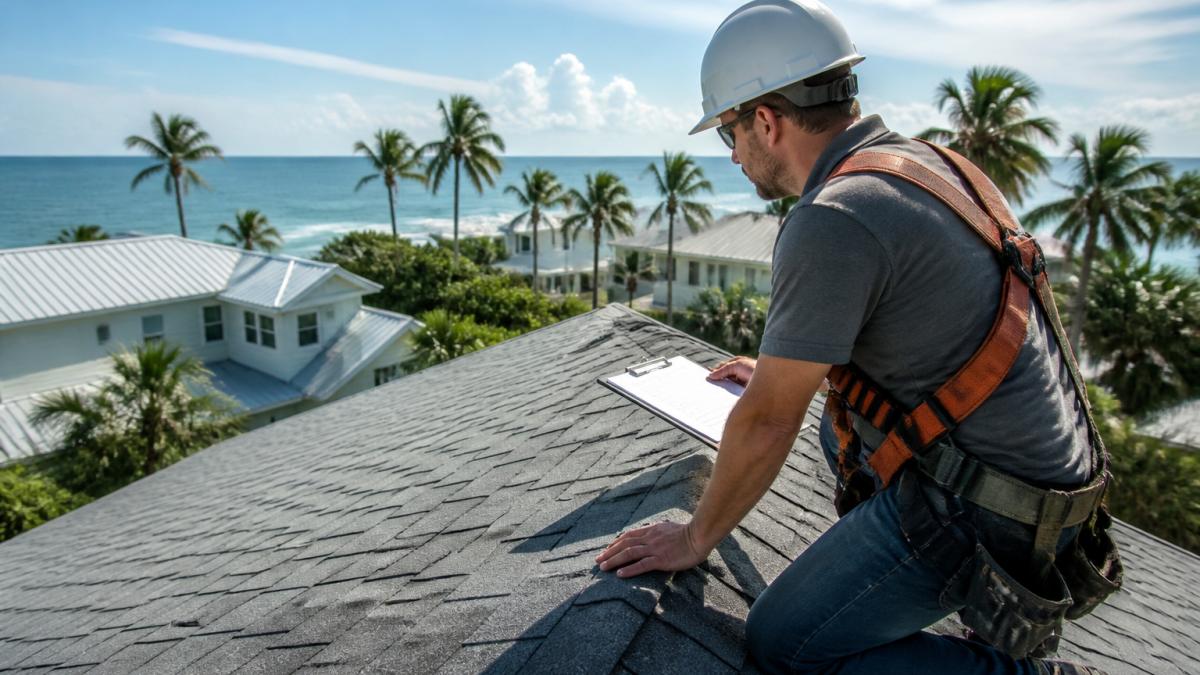
At LRI Restorations, we've worked alongside homeowners making this choice. The difference shows up in the inspection process, the estimate recommendations, and whether they're still there for warranty work.
This guide covers the credentials that matter, coastal-grade materials, warranty terms, and the questions that separate contractors who know their work from those who don't.
Contractor Credentials and Experience
Most pages ranking for this comparison are single-company profiles, Green Vista's story or Bay Coast's story, but not how to line the two up. This section does that, and shows you how to verify each claim yourself in about 20 minutes.
The credential fields that actually decide the comparison
Compare these six fields side by side, they change outcomes on a coastal roof:
| What to compare | Where to verify it | Why it matters |
|---|---|---|
| State roofing license (active status) | Florida DBPR license search, check status, expiration, and any disciplinary actions | An inactive or disciplined license can void manufacturer warranties and complicate insurance claims |
| Local business tax receipt | County tax collector or city clerk records for the address on the contract | Confirms the company is actually operating where it says it is |
| General liability + workers' comp certificates | Ask for a certificate of insurance naming you as certificate holder; call the carrier to confirm it's current | If a crew member is injured on your roof without workers' comp, the exposure can land on you |
| Years operating under the current business name | Sunbiz corporate records + DBPR license history | A long-tenured license under a new brand name is a different story than a long-tenured company |
| Manufacturer certifications | The manufacturer's own contractor locator (e.g., GAF, Owens Corning, CertainTeed) | Certification tiers determine which warranties you can register |
| Complaint history | DBPR complaints, county consumer affairs, BBB profile, state attorney general's office | Patterns matter more than any single review |
How to run the check on each contractor
- Pull the license record first. Search the company name and the qualifying individual's name separately, a company can hold a license while the qualifying individual has moved on.
- Cross-check the address. The license, estimate, and Sunbiz addresses should match. A PO box or virtual office as the only address deserves a direct question.
- Request the COI before you sign. Ask for it emailed from the insurance agent, not forwarded by the salesperson; agent-issued certificates are harder to fake.
- Read the last two years of complaints, not the star rating. A 4.8-star average with three unresolved warranty-callback complaints tells you more than the average.
- Ask for two references from roofs completed in the last 18 months and one from 5+ years ago. Recent ones reveal current crews; the older one shows whether the company stands behind work after the warranty period starts.
What to ask each contractor directly
- "Who is the qualifying individual on your license, and will they be involved in my project?"
- "Are you a certified or preferred installer for the shingle or metal system you're quoting?"
- "Can you send me a certificate of insurance from your agent today?"
Why this matters more in coastal markets
Wind-borne debris region requirements, secondary water barrier rules, and product approval numbers are enforced locally, so a contractor who works primarily inland may not know your jurisdiction's inspection sequence.
Roofing Materials for Coastal Homes
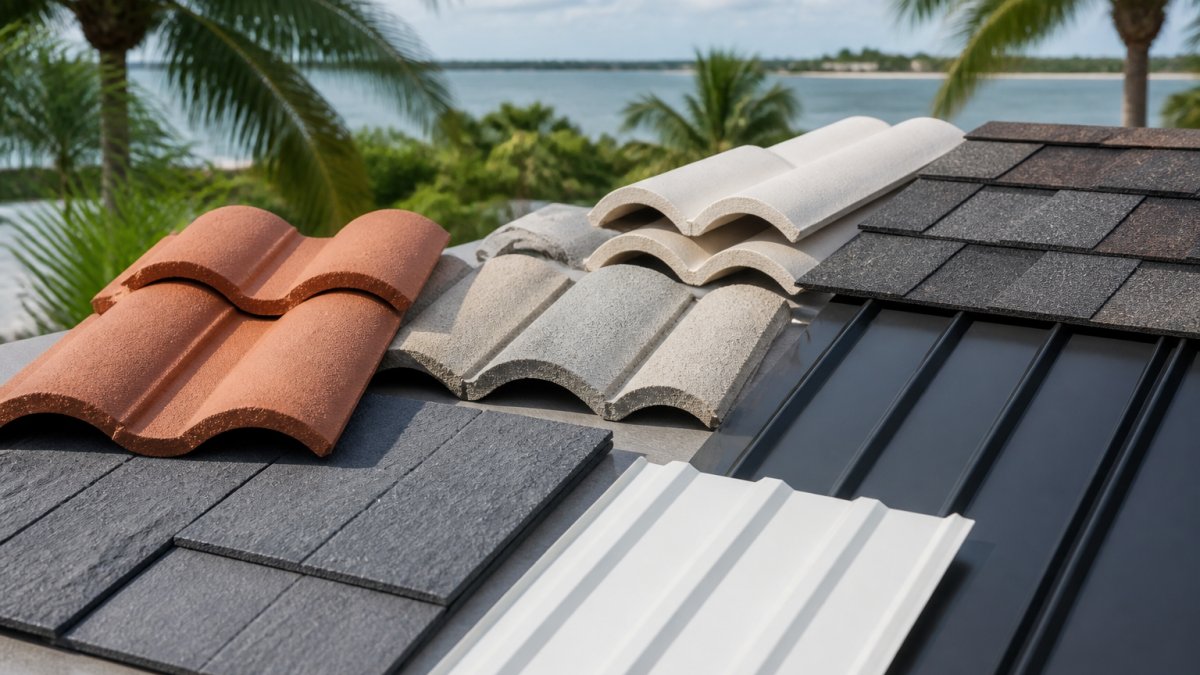
Coastal Florida demands materials that resist salt air, intense UV exposure, and hurricane-force winds, and not all perform equally.
Asphalt shingles remain the most common choice, but quality varies.
Metal roofing excels in coastal environments.
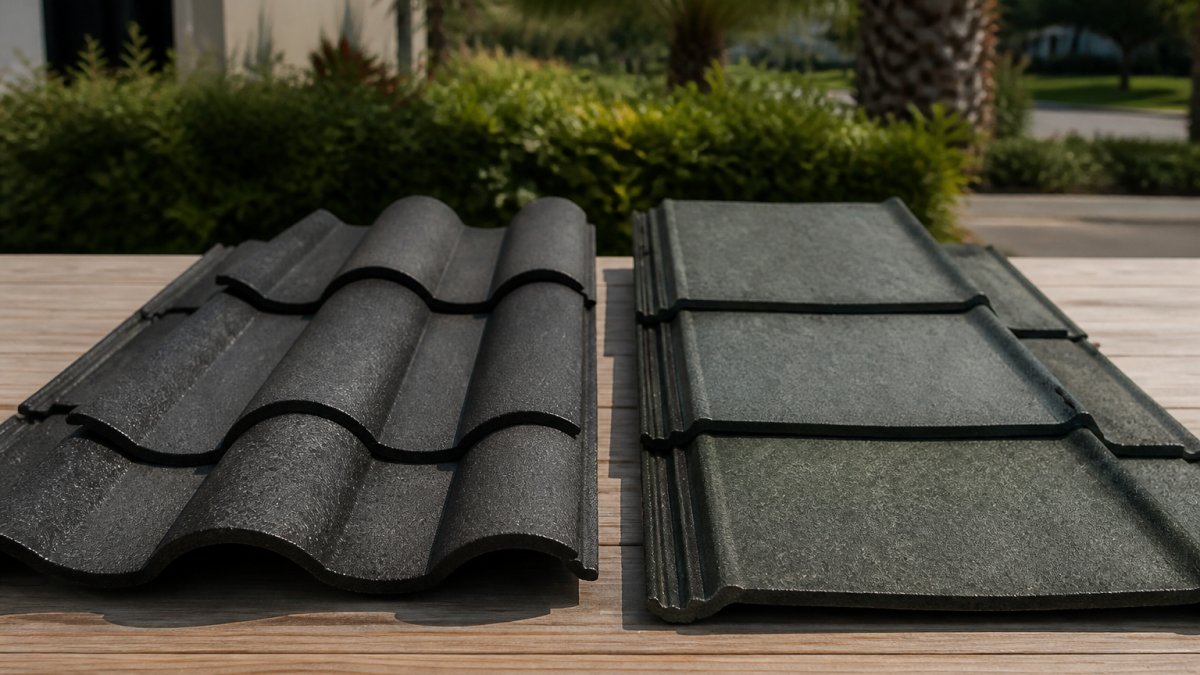
Tile roofing offers durability and aesthetic appeal.
Flat roof systems common on commercial buildings require different materials.
The contractor you choose should explain why they recommend specific materials for your climate, not just what's cheapest.
Warranty and Workmanship Coverage
No ranking page for this comparison shows what either contractor's warranty actually says. Warranty language is where two bids that look identical on paper diverge, sometimes by tens of thousands of dollars over the life of the roof.
The three warranties on every roof
Every roof replacement carries three separate warranties, and homeowners often conflate them:
- Manufacturer material warranty, covers defects in the shingles, metal panels, or tile. Length varies by product line and installer certification.
- Manufacturer labor and workmanship warranty, some manufacturers extend coverage to installation labor, but only when the installer holds a specific certification tier. Most homeowners don't know this exists.
- Contractor workmanship warranty, covers the installer's own work: flashing, fastening, ventilation, penetrations, and cleanup. This is the one the contractor controls.
When you compare Bay Coast and Green Vista, ask for all three in writing. A contractor who only hands you the manufacturer's shingle brochure is not giving you the full picture.
What to compare line by line
| Warranty term | Why it matters | What to ask |
|---|---|---|
| Length of workmanship coverage | 2 years vs. 10 years is a different risk profile | "How many years, and does it start at completion or at permit final?" |
| Transferability | A transferable warranty can add value at resale | "Can it transfer once? For a fee? Within how many years of install?" |
| Registration requirement | Many manufacturer warranties are void if not registered within a set window | "Who registers it, and can I get the confirmation number?" |
| Exclusions | Wind speed thresholds, foot traffic, ponding water, and improper ventilation are common carve-outs | "Show me the exclusions page, not the summary." |
| Labor coverage | Material-only warranties leave you paying for the tear-off and reinstall | "If a shingle fails, who pays the labor?" |
| Claim procedure | Some require the original installer to inspect first; if they've closed, the claim stalls | "What happens if you're no longer in business when I file?" |
| Consequential damage | Interior water damage is usually excluded | "Does anything cover drywall or insulation if the roof leaks?" |
The registration trap
Most major shingle manufacturers require warranty registration within a set number of days of installation, and many require the installer to hold a specific certification tier for enhanced coverage. If the contractor doesn't register it, you may be left with the base warranty, often material-only and much shorter.
Ask each contractor for a sample registration confirmation from a recent job, with the homeowner's information redacted. One who can produce it does this routinely; one who can't may not.
Workmanship warranty length, what's normal
A common industry pattern is 1 to 5 years of workmanship coverage from general contractors, and 10 years or more from those certified at a manufacturer's top tier. Anything under 5 years on a coastal roof deserves a direct question: what about the installation are you not willing to stand behind for a decade?
Claim procedure, the part nobody reads until it's too late
When a leak appears, the claim process determines how fast it gets fixed. Ask each contractor: Who do I call first, you or the manufacturer? How long until someone inspects? Do you cover interior damage while we wait? If the leak traces to a subcontractor's work, who handles the claim? Get the answers in writing, a warranty is only as good as the process behind it.
Roof Replacement Timeline and Project Management
Roof replacement timelines matter, especially as hurricane season approaches. A contractor that drags out a simple replacement leaves your home vulnerable.
A typical residential roof replacement takes 3-7 days depending on size, complexity, and weather.
Communication during the project separates professionals from the rest.
Weather delays happen in Florida, rain, extreme heat, and wind can safely pause work. A contractor with contingency plans adjusts schedules efficiently.
Project management includes coordinating with your insurance company if you're filing a claim. At LRI Restorations, we manage the entire process, from initial inspection through insurance claim negotiation to final inspection.
Questions to Ask a Roofing Contractor
Before committing to any contractor, ask these specific questions. Their answers reveal whether they're thorough professionals or cutting corners.
"What's your warranty, and is it transferable if I sell my home?" Some warranties transfer to the next owner, adding resale value.
"How do you handle unexpected issues discovered during installation?" Roof removal often reveals hidden damage.
"Are you licensed, insured, and bonded?" Ask for proof. Verify the license through DBPR. Request certificates of insurance showing coverage amounts.
Roof Replacement Estimate Checklist
When you receive estimates, use this checklist to compare accurately, the lowest price often signals shortcuts.
| Estimate Component | What to Look For | Red Flags |
|---|---|---|
| Roofing materials | Specific shingle grade, metal gauge, or tile type | "Standard shingles" or vague descriptions |
| Labor costs | Breakdown by task (removal, installation, cleanup) | Single lump-sum labor figure |
| Permits and fees | Specific permit costs for your jurisdiction | Permits "included" with no detail |
| Warranty | Written terms, coverage period, manufacturer + workmanship | Verbal promises or no warranty offered |
| Timeline | Specific start date and completion date | "Weather permitting" with no contingency plan |
| Insurance claim help | Whether they work with adjuster, provide documentation | You handle everything yourself |
| Structural repairs | Allowance for unexpected damage or separate estimate | No mention of potential hidden damage |
| Disposal and cleanup | How old material is removed and disposed | Vague or omitted entirely |
The cheapest estimate often excludes items the others include. Compare apples to apples by ensuring all estimates cover the same scope. A contractor significantly lower than others may be underbidding to win the job, then charging extras mid-project.
Making Your Final Decision
After gathering information, you're deciding between contractors based on credentials, communication, warranty, and pricing.
Credentials and experience matter most.
Communication and transparency come next.
Warranty coverage protects your investment. A 10+ year workmanship warranty plus full manufacturer coverage (transferable if possible) indicates confidence.
Price matters, but it's the last factor.
Trust your instincts about communication.
Choosing a roofing contractor is one of the largest home investments you'll make.
Frequently Asked Questions
How do I compare Bay Coast and Green Vista roofing contractors?
Start by verifying both contractors' roofing licenses, insurance coverage, and BBB accreditation. Request written estimates from each that detail materials, labor, timeline, and warranty terms. Check customer reviews on multiple platforms and ask for references you can contact directly. Compare their experience with coastal roofing, insurance claim assistance, and storm damage restoration. Request a detailed inspection report showing the scope of work needed. This ensures you're comparing apples to apples and can make an informed decision based on credentials, pricing, and service fit.
What should a roofing estimate include?
A complete roofing estimate must include the roof size (in square feet), specific materials proposed with manufacturer names, labor costs broken down by phase, timeline with start and completion dates, warranty details for both materials and workmanship, permit and inspection costs, debris removal and cleanup, and any contingencies or change-order procedures. It should specify whether the estimate is binding and what conditions could affect the final price. A thorough estimate also addresses flashing, underlayment, ventilation, and code compliance. Request written estimates from both contractors to compare apples to apples and avoid surprise costs.
How long does a roof replacement take?
Most residential roof replacements take 3 to 7 days, depending on roof size, complexity, weather, and material type. Larger homes or complex designs with multiple roof lines may extend to 10 days. Coastal weather delays are common, rain or high winds can pause work. Insurance claims and permit approvals can add weeks to the overall timeline before work starts. Ask your contractor for a detailed schedule that accounts for permitting, material delivery, weather buffers, and inspections. Confirm their commitment to completion dates and what happens if weather or unforeseen damage extends the project.
What roofing materials work best for coastal homes?
Coastal homes face salt air, high winds, intense sun, and hurricane exposure. Architectural asphalt shingles rated for high-wind zones (130+ mph) are durable and cost-effective. Metal roofing (standing seam or metal shingles) offers superior wind and impact resistance and lasts 40-70 years. Concrete or clay tiles provide excellent durability but require structural reinforcement. All materials should be rated for coastal weather and installed with proper underlayment, flashing, and fastening to meet local building codes. Ask contractors about UV protection, salt-spray testing certifications, and which materials they recommend for your specific location and exposure.