 how-to
Roof Replacement Timeline: What to Expect
Table of Contents
- How Long Does a Roof Replacement Take
- Roof Replacement Process Step by Step
- Roof Replacement Permit and Inspection Timeline
- Factors That Affect Your Roof Replacement Timeline
- Roof Replacement Preparation Checklist
- Communication and Contingency Planning for Delays
- Frequently Asked Questions
Last Updated: October 12, 2026
How Long Does a Roof Replacement Take
A typical roof replacement takes one to three days for most homes, the installation itself.
At LRI Restorations, we manage every phase of your roof replacement timeline.
That window assumes good weather, a straightforward design, and no hidden damage. Your actual roof replacement timeline depends on the factors below.
Most homeowners underestimate the total roof replacement timeline because they focus only on installation days.
Roof Replacement Process Step by Step
Step 3: Permit Application Most jurisdictions require roofing permits.
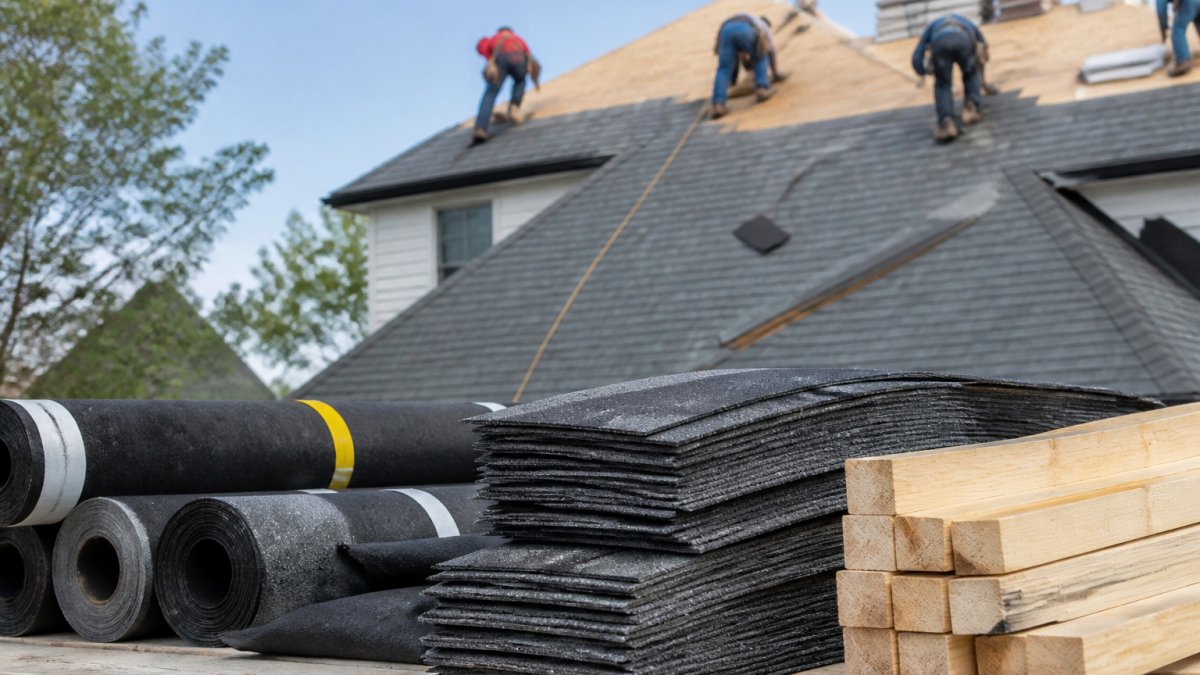
Step 4: Material Ordering and Delivery Materials are ordered after permits are approved.
Step 7: Roof Deck Inspection and Repairs Once the old roof is off, the deck is inspected.
Step 10: Final Inspection and Cleanup Your contractor performs a final walkthrough, clears debris, and cleans the work area.
Day-by-Day Installation Walkthrough
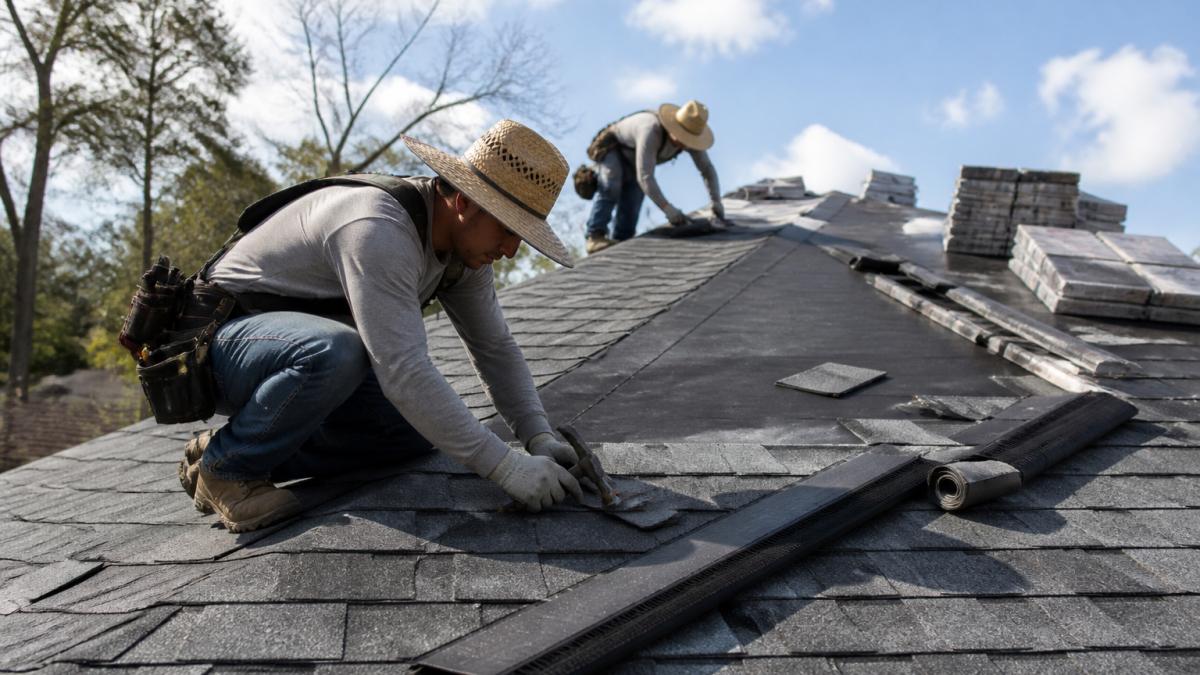
Day 1: Tear-Off and Deck Inspection Work begins early with old roof removal, shingles, underlayment, and fasteners.
Day 2: Deck Repairs, Underlayment, and Flashing Repairs happen first if needed.
Day 3: Shingle Installation and Ventilation New shingles are installed row by row from the eaves up.
Some roofs finish in two days; others take four if repairs are extensive or weather delays occur.
Roof Replacement Permit and Inspection Timeline
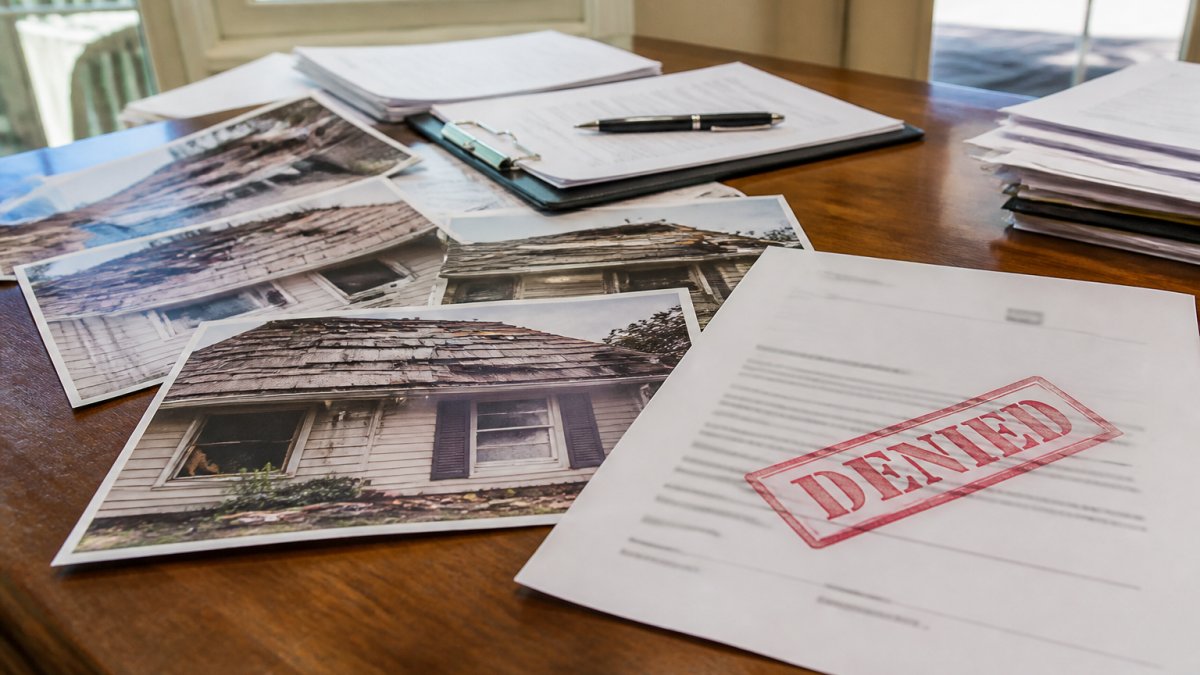
Most jurisdictions require a roofing permit for residential roof replacement. The permit and inspection timeline is one of the most overlooked parts of the roof replacement timeline, and where homeowners lose the most time. Three clocks run at once: permit, inspection, and, if you are filing a claim, insurance.
Who Handles What
Before you sign anything, confirm in writing who is responsible for each item below. Typically the contractor pulls the permit, the homeowner signs the inspection access authorization and handles claim paperwork. If that division isn't clear up front, delays land on you.
- Contractor: permit application, scheduling inspections, meeting the inspector on site, correcting failed items, providing lien waivers and certificates of insurance.
- Homeowner: signing the permit application where required, providing access to the attic or interior for inspection, submitting claim documentation, paying permit fees if the contract does not include them.
- Building department: reviewing plans, issuing the permit, performing the pre-cover and final inspections, issuing the certificate of completion.
Permit Application Phase
Your contractor submits permit paperwork to the local building department. Required documents typically include roof plans or a scope-of-work sheet, material specifications (shingle manufacturer and product line, underlayment type, ice-and-water membrane placement), and proof of licensing and insurance.
Some areas require engineering reports or a structural letter for complex designs, additions, or visible sagging, adding one to two weeks.
Pre-Installation Inspection
Some jurisdictions inspect the roof before work begins, verifying the existing roof is ready for replacement and the permit scope matches reality. It's scheduled during the permit phase but can slip if the inspector's route is full, in busy spring and fall seasons, adding three to five business days.
Insurance Claim Timeline (If You Are Filing)
If your roof replacement is part of an insurance claim, the claim clock runs parallel to the permit clock and often becomes the longest part of the roof replacement timeline:
- First notice of loss. You report the damage to your insurer. The carrier assigns a claim number and an adjuster.
- Adjuster inspection. The adjuster visits, documents damage, and produces a scope of loss. This usually happens within a few days to two weeks of the report, depending on carrier volume and weather events in your area.
- Scope review and supplement. Your contractor compares the adjuster's scope to what the roof actually needs. If items are missing, drip edge, ridge vent, ice-and-water membrane, decking, the contractor files a supplement. Supplements commonly add one to three weeks because they require back-and-forth with the adjuster.
- Approval and payment. The carrier issues the first payment (often the actual cash value). You may receive a second payment (recoverable depreciation) after the work is complete and the carrier receives your final invoice and, in some cases, the certificate of completion.
- Closeout documentation. The contractor provides a final invoice, photos, and the permit sign-off. You submit these to the carrier to release the second payment.
An insurance claim commonly adds two to six weeks to the overall roof replacement timeline, with supplements the single biggest variable. Ask your contractor whether they handle supplement paperwork, most established roofing companies do; some do not.
Final Inspection
After installation, a building inspector verifies the work meets code, shingle installation, flashing, ventilation, deck integrity, and, in many jurisdictions, that underlayment and ice-and-water membrane match the approved plans.
If issues are found, corrections must be made before final approval. Most inspections pass when your contractor follows code; when they don't, correction and re-inspection can add three to ten business days.
What the Closeout Package Should Include
When the project is done, ask for a closeout package containing:
- Signed permit card or certificate of completion
- Final inspection report
- Manufacturer warranty registration confirmation
- Contractor's written workmanship warranty
That package matters at resale and at claim closeout. Missing it can stall a home sale or delay your final insurance payment.
Factors That Affect Your Roof Replacement Timeline
Several variables influence how long your roof replacement takes. The bigger drivers are roof type and project scenario, a steep, cut-up roof with two layers of old shingles behaves nothing like a simple gable with one layer, even at identical square footage.
Roof Size and Complexity
Larger roofs take longer: a 1,500-square-foot roof typically takes two to three days, a 3,000-square-foot roof three to four. But size alone is a weak predictor, complexity is stronger.
- Simple gable, single layer, walkable pitch: often finishes in one to two days.
- Hip roof with a few penetrations: typically two to three days.
- Cut-up roof with multiple valleys, dormers, and skylights: three to five days, sometimes more.
- Steep pitch (above 8/12): adds roughly half a day to a full day because crews need staging, harnesses, and roof jacks.
Pitch affects crew safety and speed: steeper roofs need extra safety equipment and take longer. Flat or low-slope roofs are faster to walk but pose drainage challenges and often require a membrane system (modified bitumen or single-ply) on a different install schedule than shingles.
Roof Type and Project Scenario Comparison
This is where timelines diverge most.
| Scenario | Typical installation window | What drives the difference |
|---|---|---|
| Single-family asphalt shingle, one layer, simple gable | 1-2 days | Minimal tear-off, standard flashing |
| Single-family asphalt shingle, two layers, cut-up roof | 3-5 days | Double tear-off, more flashing and valleys |
| Steep-slope architectural shingle | 3-5 days | Safety staging, slower placement |
| Flat or low-slope roof (membrane) | 2-4 days | Membrane seams, curing, drainage detailing |
| Detached garage or shed | 1 day or less | Small footprint, simple geometry |
| Roof with hidden decking damage | Add 1-5 days | Repair scope and possible engineer review |
| Roof replacement plus ventilation upgrade | Add 0.5-1 day | Ridge vent, intake vents, possible attic work |
| Roof replacement tied to an insurance claim | Add 2-6 weeks to project | Adjuster scope, supplements, payment timing |
A detached structure is a useful benchmark: small footprint, simple geometry, often one day, showing how much of the timeline is complexity rather than square footage. A steep, cut-up roof on a modest home can take longer than a large simple roof.
Weather and Seasonal Conditions
Rain is the biggest weather delay. Wet shingles cannot be installed safely, and water damage risks increase.
Asphalt shingles install best between 40 and 85 degrees Fahrenheit.
Wind delays work when gusts exceed 35 miles per hour, making roof work unsafe and blowing shingles off the roof.
Spring and fall are peak roofing seasons, so your roof replacement timeline may be longer then.
Hidden Damage and Deck Repairs
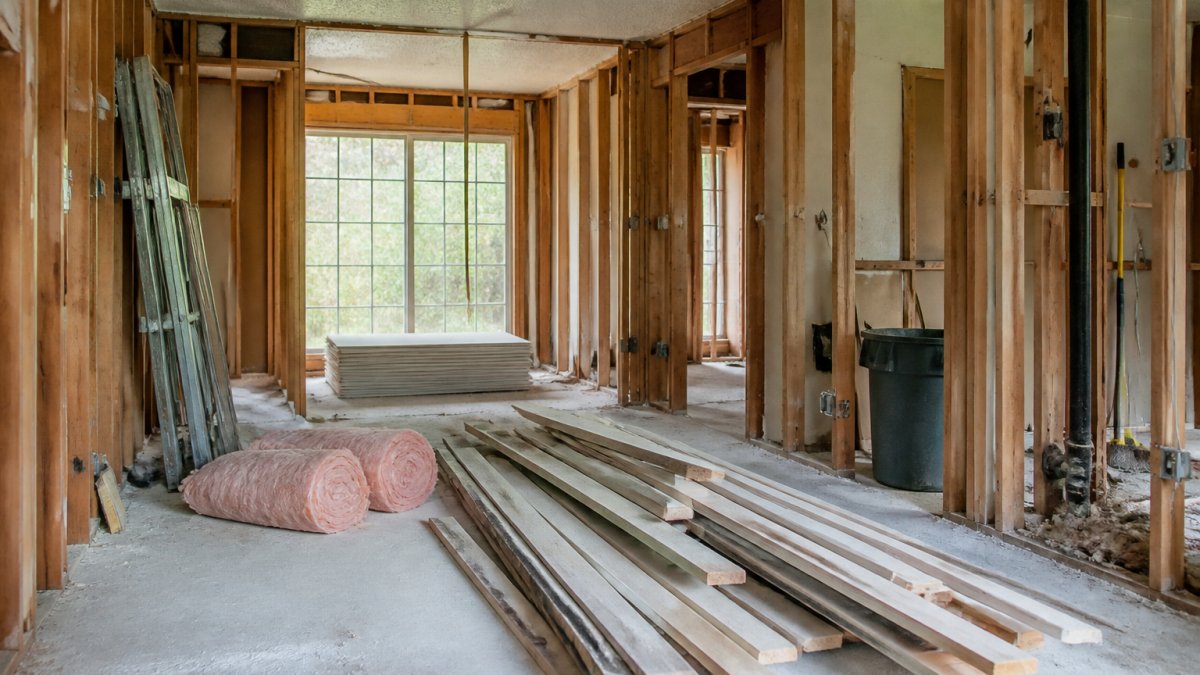
Hidden damage discovered during tear-off extends your roof replacement timeline. Rotted wood, water damage, or structural issues require repair before new shingles are installed.
- Minor repairs (a few sheets of decking, a small fascia repair): add about one day.
- Moderate damage (multiple sheets, a valley rebuild, flashing replacement): add two to three days.
- Major damage (structural framing, engineer review, ventilation redesign): add three to five days or more, and may require a permit amendment.
Repairs are a separate line item from the roof replacement. Budget for them, and ask how change orders are documented and priced before work begins.
Access, Logistics, and Site Conditions
Access is underrated: a steep driveway, narrow side yard, or overhead power lines slows material delivery and debris removal. If a dumpster can't sit close to the house, crews carry debris farther. Protecting landscaping, fences, and pool cages adds setup time.
Crew Size and Scheduling
A larger crew doesn't always mean faster, too many people on a small roof slow each other down. What matters more is whether your project is a dedicated job or slotted between others. Ask whether the crew stays on your roof continuously until it's dried in; continuous work is faster and safer for an exposed roof.
Roof Replacement Preparation Checklist
Preparing your home reduces delays and keeps your roof replacement timeline on track.
- Clear gutters and downspouts of debris
- Trim tree branches hanging over the roof
- Move outdoor furniture, grills, and decorations away from the house
- Confirm your contractor's insurance and licensing
Communication and Contingency Planning for Delays
Weather delays, hidden damage, and unexpected issues happen. The best roof replacement timeline includes contingency plans.
Written Updates Request written summaries of daily work and progress photos. This documentation is useful for insurance claims or warranty verification.
At LRI Restorations, we communicate transparently throughout your roof replacement timeline.
Understanding your roof replacement timeline helps you plan your schedule, budget, and household needs.
Choosing a contractor who manages every detail, from permits to final inspection, keeps your roof replacement on track.
Frequently Asked Questions
How long does a roof replacement usually take?
Most residential roof replacements take one to three days for the actual installation work. However, the complete roof replacement timeline from initial inspection to final completion typically spans two to four weeks. This includes the estimate, contract signing, material ordering and delivery, permit processing, scheduling, the installation itself, and final inspection. Weather delays, hidden damage discovery, or permit complications can extend this timeframe.
What happens if hidden damage is discovered during roof replacement?
When contractors remove your old roof, they may uncover structural damage to the roof deck, rotting wood, or water damage that wasn't visible from below. This discovery extends your timeline by several days to a week or more, depending on repair scope. Your contractor should document the damage with photos and provide a written estimate for repairs before proceeding. Many homeowners find insurance covers these repairs, especially after storm damage, so notify your insurance company immediately if hidden damage appears.
How do permits and inspections affect my roof replacement timeline?
Permits and inspections typically add one to two weeks to your roof replacement timeline. After signing your contract, your contractor submits permit applications, which usually take five to ten business days for approval. Once installation is complete, the local building department schedules a final inspection, which can take another three to five days. Some areas require both a pre-installation and post-installation inspection, which adds additional time.
What can I do to keep my roof replacement on schedule?
Prepare your property before work begins by clearing gutters, trimming branches near the roof, and protecting outdoor items from debris. Respond promptly to your contractor's requests for decisions or approvals. Avoid scheduling other major work during the project window. Check weather forecasts and discuss contingency dates with your contractor upfront. Maintain clear communication with your contractor about any concerns or changes. Having insurance documentation ready speeds up claim-related approvals.