 How-to
How to Handle Unexpected Renovation Cost Increases
Last Updated: November 14, 2026
Quick Summary
Handle renovation cost increases by pausing only the affected work, getting the problem documented in writing, and pricing it two ways before approving anything. Then check the cost against a contingency fund of 10% to 20% of the total budget, which you should set aside before work begins.
- RubyHome reports that 39% of homeowners exceed their renovation budget because of unexpected costs.
- Set aside a contingency fund of 10% to 20% of the total quoted budget before work starts.
- Pause only the affected item and confirm the hold in writing, so the rest of the project keeps moving.
- Request photos, a written description, location and date before approving any change order.
- Never approve verbal changes; a signed change order should state scope, price, schedule impact and payment terms.
Table of Contents
- Why Unexpected Renovation Costs Happen
- Building a Renovation Contingency Budget Before You Start
- A Step-by-Step Response Plan When Costs Jump
- How to Evaluate and Challenge a Renovation Change Order
- Prioritizing Repairs When the Contingency Fund Runs Short
- Tracking Every Dollar With a Renovation Budget Spreadsheet
- Protecting Your Project With Clear Contract Terms
- Frequently Asked Questions
Why Unexpected Renovation Costs Happen
If you're planning a home renovation, you've probably heard the horror stories. A kitchen remodel that doubles in price. A bathroom project that stalls for weeks while a new bill arrives every few days, a clear sign of renovation cost increases that catch homeowners off guard.
Most surprise costs start hidden. Walls, floors, and ceilings hide problems that no one can see until the work begins. The good news is that you can plan for most of them.
Hidden damage found during demolition
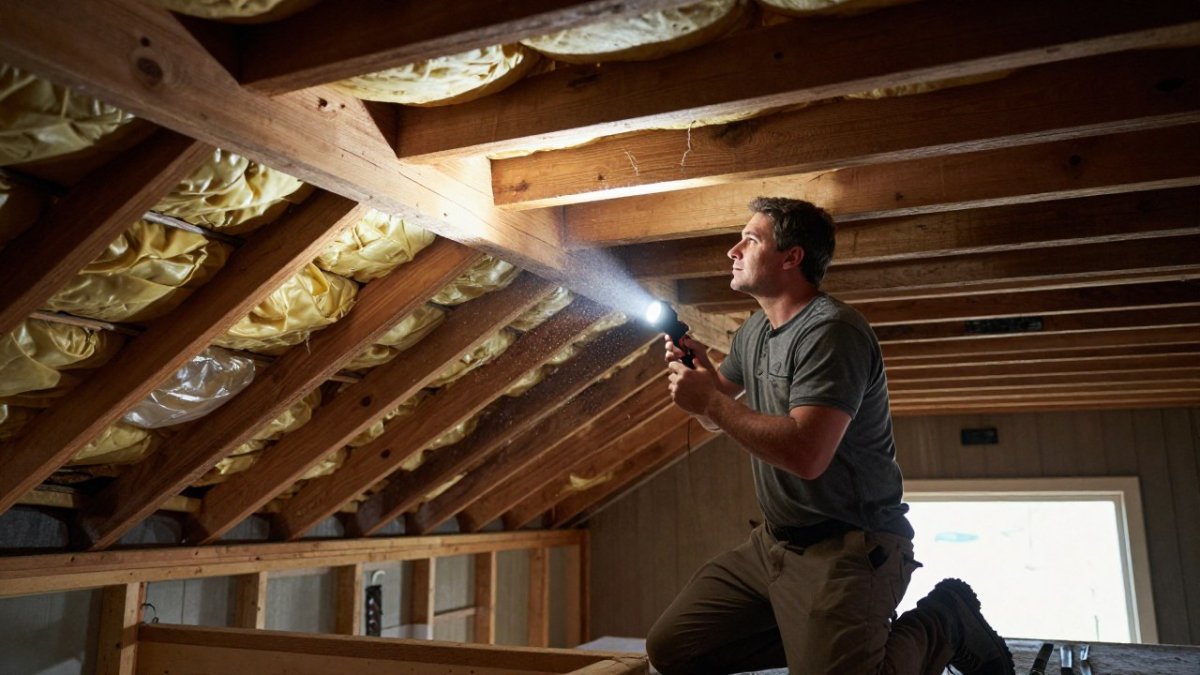
Demolition is where budgets often break. Once a wall comes down, you may find rot, water damage, or old wiring that needs replacing before any new work can begin. Learn how to handle mold found during demolition before deciding on repairs. A small leak that went unnoticed can turn into a full subfloor replacement.
Watch out: Ignoring a small moisture stain to save money now usually means a bigger repair bill later.
Outdated electrical, plumbing, and HVAC systems
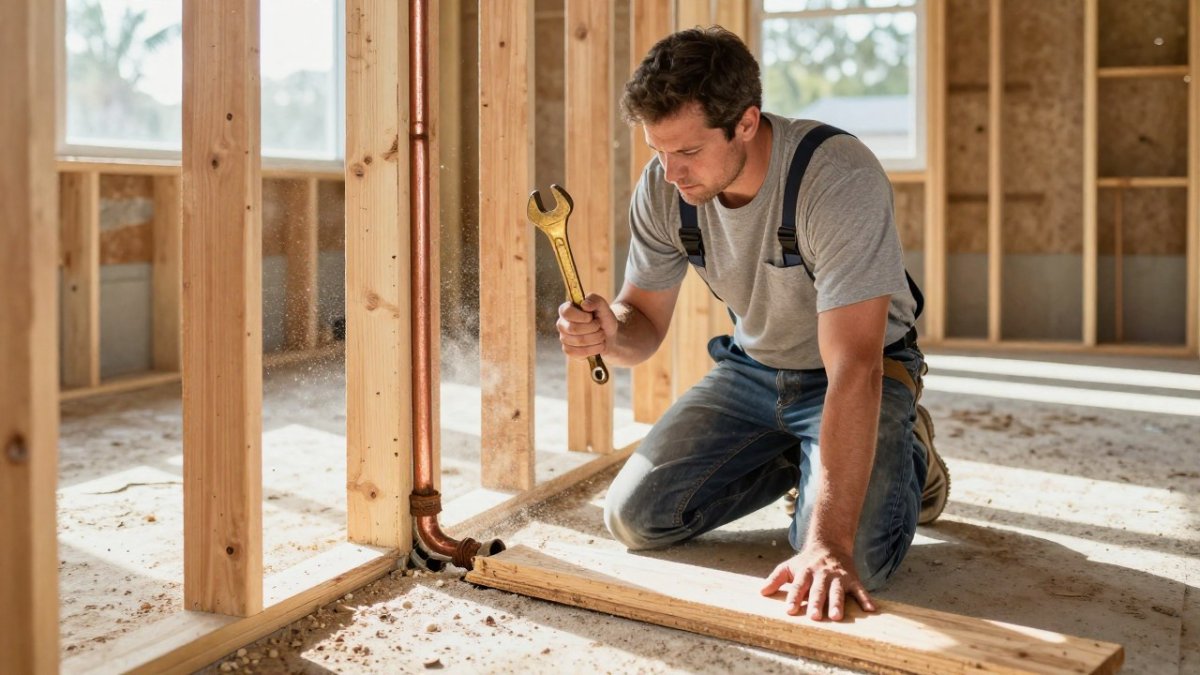
Older homes often have systems that don't meet current standards. Upgrading wiring or moving pipes to match a new layout adds labor and materials. Heating and cooling systems may also need updates to handle a new floor plan.
Code upgrades, permits, and hazardous materials
Local building codes change over time. When you open up a space, inspectors may require upgrades that weren't in your original plan. Older homes can also contain hazardous materials like asbestos or lead paint, which require special handling and testing. Each of these adds time and cost.
Building a Renovation Contingency Budget Before You Start
The simplest protection against surprise bills is a contingency fund, which cushions renovation cost increases before they strain the budget. For a fuller approach, see our guide to preventing surprise costs in home remodeling. Most advisors recommend setting aside 10% to 20% of your project's total cost before work begins.
Here's how to set one up:
- Start with your total quoted budget. Multiply it by 0.10 for a minimum buffer, or 0.20 for older homes.
- Keep the fund separate. Store it in its own account so you don't spend it on wish-list items.
- Decide your rules now. Agree in advance who approves spending from the fund and what counts as an emergency.
A contingency fund works best when you set it up before the first wall comes down. Waiting until a problem appears makes every decision harder.
A Step-by-Step Response Plan When Costs Jump
When a cost increase appears, the worst move is to panic and approve it on the spot. The second-worst move is to stall the whole project while you decide.

- Pause only the affected item, not the whole project. Ask your contractor to stop work on the specific area in question and confirm in writing which line items are on hold. Unrelated trades can usually keep moving, which protects your schedule and your carrying costs.
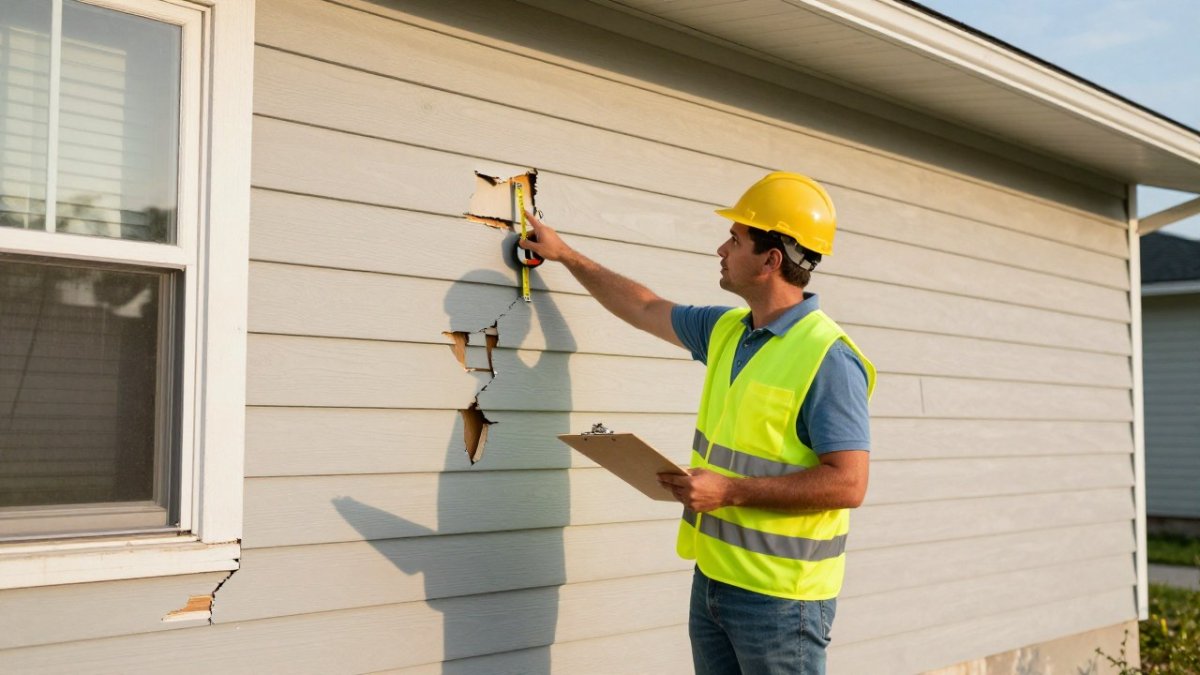
- Get the problem in writing with evidence. Request photos or video of the condition, a written description of what was found, the location, and the date it was discovered. For hidden conditions, ask whether the contractor opened the area themselves or whether a third party (an inspector, an engineer, or a specialty trade) confirmed it. A photo of a wet subfloor is evidence; "we found some rot" is not.
- Classify the issue before you price it. Sort the finding into one of four buckets: safety-critical (electrical hazards, structural compromise, gas or water leaks), code-required (work an inspector will not sign off without), protection (water intrusion, pest entry, weather exposure), or discretionary (upgrade, layout change, finish substitution). The bucket determines how much leverage you have and how fast you must act.
- Price at least two ways. Ask the contractor for an itemized cost broken into labor hours, material quantities, and any permit or disposal fees. Then ask for one alternative: a repair-only option, a phased option, or a substitute material. You are not trying to nickel-and-dime a legitimate repair, you are testing whether the first number is a floor or a ceiling.
- Check the contract and the allowance. Confirm whether the item was already covered by a stated allowance, an exclusion, or a unit price in the original agreement. Many "surprises" are actually allowance overruns, which follow different approval rules than true hidden conditions.
- Decide against your contingency, not your emotions. If the cost fits inside your contingency fund, approve it and log the draw. If it does not, move to the prioritization framework below before you agree to anything.
- Approve in writing and update the budget the same day. A signed change order or written approval email should state the scope, the price, the schedule impact, and the payment terms. Update your tracking sheet before the next draw so the contingency balance is always current.
Watch out: Verbal approvals are the single most common source of renovation payment disputes, if you approve work by phone or in a hallway conversation, assume you will be asked to pay for it and will have no paper trail to challenge the number.
The steps below summarise the response sequence to follow when a renovation cost increase appears.
| Step | What to do | Timing |
|---|---|---|
| Pause the affected item | Stop only the specific area and confirm in writing | Immediately |
| Get the problem in writing | Request photos, description, location and date | Before approving |
| Classify the issue | Sort into safety, code, protection or discretionary | Before pricing |
| Price at least two ways | Ask for itemized costs and one alternative | Before approving |
| Check the contract and allowance | Confirm whether the item is already covered | Before approving |
| Decide against contingency | Approve if within fund; prioritize if not | Before approving |
| Approve in writing | Sign change order and update budget same day | Same day |
How to Evaluate and Challenge a Renovation Change Order
A change order is a formal request to alter the project's scope, price, or schedule. Not every change order is unfair, hidden conditions are real, and a contractor who finds rotted framing is doing the right thing by stopping and asking. But a change order is also the point where a fixed-price project can quietly become a cost-plus project, so it deserves a structured review rather than a signature.
What to request before you sign
Ask for the change order in writing with these elements attached:
- A cause statement. One or two sentences describing the condition and how it was discovered. "Discovered during demolition of the north wall on the date shown in the attached photos" is reviewable; "additional work required" is not.
- An itemized breakdown. Labor hours at a stated rate, material quantities at a stated unit price, permit or inspection fees, disposal or dumpster costs, and any subcontractor markup shown separately.
- A schedule impact. How many days the change adds and whether it pushes the completion date or only shifts work within the existing timeline.
How to compare labor and material costs
You do not need to be a contractor to sanity-check a number. Compare the change order against three reference points you already have:
- The original bid. If the same trade quoted a labor rate or a unit price during bidding, the change order should use the same rate unless the contractor explains why the condition is different.
- The scope of the change. A repair that replaces one section of subfloor should not be priced like a full-room rebuild. Ask how many square feet, linear feet, or fixtures are actually affected.
- The material grade. Confirm whether the replacement material matches the grade specified in the original contract or quietly upgrades it. A change order that swaps in a premium fixture is an upgrade, not a hidden condition.
If a line item looks inflated, ask for the math line by line rather than accusing anyone of padding. A reputable contractor will walk you through it; a vague answer is itself information.
Separate necessary work from optional upgrades
Before approving, label each line of the change order as one of the following:
- Necessary and urgent, safety, structural, or active water intrusion. Approve quickly and document.
- Necessary but schedulable, code-required work that can be sequenced later in the project without stopping other trades.
- Optional upgrade, a finish, fixture, or layout change that is not required by the condition. These belong in a separate decision, funded from a different budget line, and should never be bundled into a hidden-condition change order.
Bundling an upgrade into a repair is the most common way a legitimate change order becomes an expensive one. Ask the contractor to split the document into "required" and "optional" sections if they are mixed.
When to push back, and how
Push back in writing, not in person, and keep it specific. State which line item you are questioning, what reference point you are comparing it to, and what you are asking for, a revised price, a second quote, or a phased scope.
Watch out: Signing a change order that leaves the total project cost unclear, for example, "TBD pending inspection", gives the contractor room to set the final number later; insist on a not-to-exceed figure or a unit-price schedule before you sign.
Prevent the next dispute in the contract
The best time to make change orders reviewable is before work starts. Ask for these terms in the original agreement: a written change-order process with a response deadline, unit prices for common hidden conditions (framing, subfloor, drywall, electrical rough-in), a defined allowance schedule with overage rules, a payment schedule tied to completed milestones rather than calendar dates, and a dispute-resolution clause that names mediation before litigation.
What's your biggest concern about your next renovation? Share it with our team, and we'll help you plan for it.
Prioritizing Repairs When the Contingency Fund Runs Short
Sometimes the fund runs out before the project is done. When that happens, sort your remaining work into three groups:
- Safety and structure first. Fix anything that affects health, electrical safety, or the home's frame.
- Protection second. Repair leaks, seal the roof, and stop water damage from spreading.
- Cosmetic last. Paint, fixtures, and finishes can often wait.
This order keeps the home safe and protected even if you have to delay the upgrades you wanted.
Tracking Every Dollar With a Renovation Budget Spreadsheet
You don't need expensive software to track a project. A simple spreadsheet works well. Create columns for the item, the quoted cost, the actual cost, the date, and whether it came from the contingency fund.
Review the sheet once a week. Compare your actual spending against your quoted budget. If you see a trend, such as repeated overruns in one trade, you can act before the problem grows.
Protecting Your Project With Clear Contract Terms
Strong contract terms prevent many disputes. Look for these details before you sign:
- A clear scope of work with specific materials and finishes
- A payment schedule tied to completed milestones
- A written process for approving change orders
Contract terms should be easy to read and specific. If a clause is vague, ask for clarification before you agree.
What's your biggest concern about your next renovation? Share it with our team, and we'll help you plan for it.
Ready to plan a renovation with fewer surprises? Get a Quote from LRI Restorations and let our team walk you through a clear budget and timeline before any work begins.
Frequently Asked Questions
How much contingency should I budget for a home renovation?
Most renovation planners recommend setting aside 10% to 20% of the original estimate as a contingency fund, with the higher end suited to older homes, structural work, or projects that involve opening walls. The exact percentage depends on the project scope and what the home is likely to hide. Older houses in particular often reveal outdated wiring, plumbing, or framing once work begins. Holding that reserve separately from your main budget keeps a surprise from forcing you to pause or borrow on short notice.
What should I check before approving a renovation change order?
Before signing a renovation change order, confirm the reason for the added work, the exact scope being added, the labor and material costs broken out separately, and the effect on the project timeline. Ask whether the change was caused by hidden conditions, a design choice, or an error in the original estimate. Request written approval before any work begins, and make sure the new total is reflected in your renovation budget spreadsheet. A reasonable contractor will explain the change clearly and accept questions before you commit.
Can I pause renovation work while I review a cost increase?
Yes, you can ask your contractor to pause work on the affected portion while you review a cost increase, provided your contract allows it. Pausing is safest when the issue involves structural repairs, electrical systems, or possible hazardous materials such as mold or asbestos, since those items affect safety and code compliance. Ask for a written explanation and a revised estimate before work resumes. Keep the rest of the project moving where it is safe to do so, so the schedule does not stall unnecessarily.
What are common hidden costs in a home renovation?
Common hidden costs include hidden damage discovered during demolition, outdated electrical, plumbing, or HVAC systems that must be brought up to current building codes, and permit and inspection fees that were not included in the first estimate. Hazardous materials such as mold or asbestos can require specialized abatement. Structural repairs and corrections to poor prior workmanship also add cost. Tracking these categories in advance makes it easier to recognize and price a surprise when it appears.