 How-to
How to Choose a Roof Color for Energy Efficiency: A Step-by-Step Guide
Quick Summary
To learn how to choose a roof color for energy efficiency, start with lighter shades, since light roofs reflect more sunlight and keep attics cooler. Then compare each product's solar reflectance, thermal emittance, and SRI score rather than relying on color alone. Finally, match the roof to your climate zone, because reflective roofs cut summer cooling but can raise winter heating in cold areas.
- Light roofs reflect more sunlight, so they stay cooler and push less heat into the attic.
- Compare solar reflectance, thermal emittance, and SRI score on product labels, not just the color.
- Reflective roofs suit hot climates best; in colder zones, a darker roof can save more annually.
- Check orientation, pitch, and shade for each roof plane, since they change how much sun the roof absorbs.
- Confirm reflective performance is covered by the warranty and that aged SRI values are provided.
Table of Contents
- Why Roof Color Affects Cooling Costs
- Step 1: Understand Solar Reflectance and the SRI Score
- Step 2: Match Your Roof Color to Your Climate Zone
- Step 3: Compare Light vs. Dark Roof Energy Efficiency
- Step 4: Evaluate Cool Roof Shingles and Coatings
- Step 5: Factor in Orientation, Pitch, Shade, and Material
- Common Mistakes to Avoid When Picking a Roof Color
- Booking a Roof Assessment With LRI Restorations
- Frequently Asked Questions
How to Choose a Roof Color for Energy Efficiency: A Step-by-Step Guide
Last Updated: November 22, 2026
Why Roof Color Affects Cooling Costs
Roof color changes how much heat your home absorbs, so knowing how to choose a roof color for energy efficiency starts here. A dark roof soaks up sunlight, while a light roof bounces much of it back. That difference reaches inside. LRI Restorations, a family-owned roofing and construction company on Florida's Gulf Coast, can help homeowners weigh these choices. Here is how to pick a roof color that keeps your cooling bills in check.
Research from Lawrence Berkeley National Laboratory's Cool Color Roofing Materials publication found that raising roof reflectivity from 10 to 20 percent up to about 60 percent can cut cooling-energy use in buildings by more than 20 percent.
Heat that stays out of the roof is heat your air conditioner never has to fight. That is the core idea behind every choice below.
Step 1: Understand Solar Reflectance and the SRI Score
Solar reflectance is the share of sunlight a roof surface sends back into the sky. Thermal emittance is how well that surface sheds heat it has already absorbed. Together, they drive the Solar Reflectance Index (SRI), a single score that rates how cool a roof stays under sun.
Here is what to look for on a product label:
- Solar reflectance: Higher numbers mean more sunlight bounced away.
- Thermal emittance: Higher numbers mean the roof releases absorbed heat faster.
- SRI score: A combined rating. Higher is cooler.
Compare products by these numbers, not by how they look in a showroom sample.
Why Color Alone Is Not Enough
Color is a useful shortcut, but it is not a reliable measure. Color is not the only indicator of solar-reflectance performance. Two shingles in the same shade can perform differently.
So use color as a starting point, then confirm the reflectance and emittance values before you buy.
Step 2: Match Your Roof Color to Your Climate Zone
A highly reflective roof lowers summer cooling demand but can raise winter heating demand, because it also blocks useful solar gain in the heating season. The right answer depends on which load dominates your home and how your local climate balances the two.
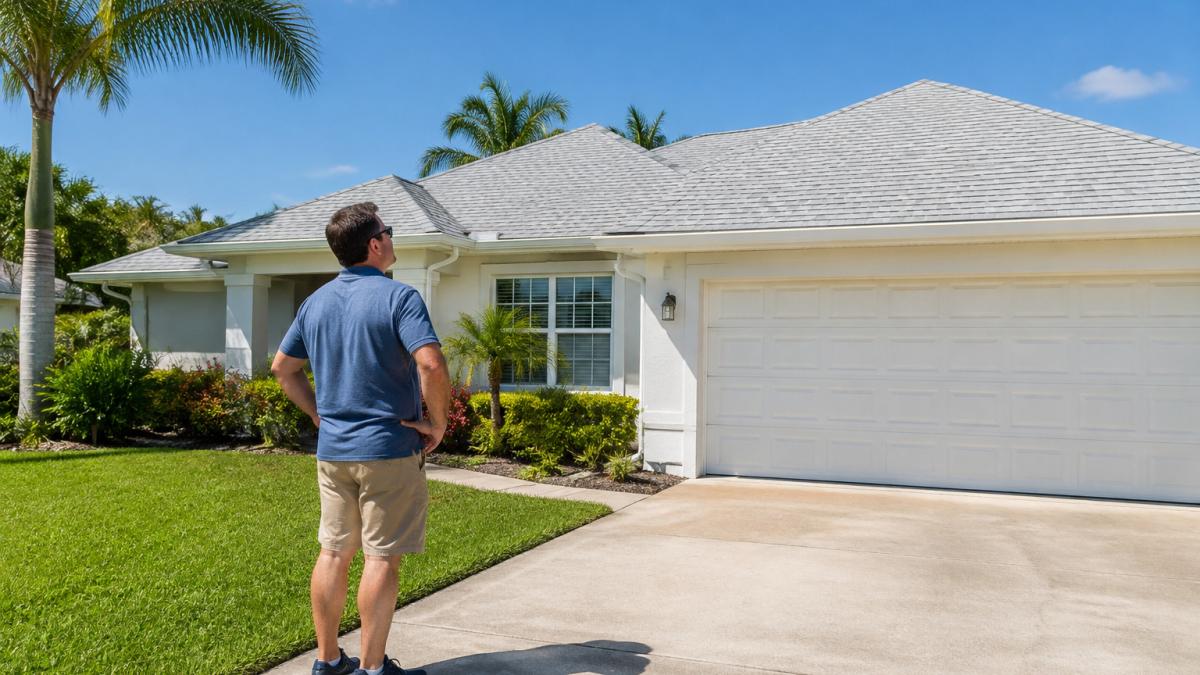
A practical way to frame it is by the balance of cooling-degree days to heating-degree days. Climate-zone maps and the ASHRAE 169 climate zones (1 through 8) are a common reference for climate classification. Use them as your starting filter:
- Zones 1-2 (hot-humid and hot-dry): Cooling dominates. A high-SRI roof, typically a white, light gray, or light beige product rated at SRI 78 or higher for low-slope and SRI 29 or higher for steep-slope under the EPA ENERGY STAR reflective-roof criteria, delivers the clearest annual savings. Winter heating penalty is small because heating loads are small.
- Zones 3-4 (mixed): Both loads matter. A mid-tone cool-rated product (think light gray, taupe, or a cool-rated brown) usually balances summer reflection against modest winter gain. Ask for the product's SRI at both low and high emissivity so you can compare options on the same scale.
- Zones 5-8 (cold and very cold): Heating dominates. A darker roof can be the better annual choice because solar gain in fall, winter, and spring offsets some furnace load. If you still want a cool roof for summer comfort, choose a dark cool-rated product rather than a bright white one.
A second layer is local weather, not just zone. In hot-dry climates, reflective roofs pair well with attic insulation and radiant barriers. In hot-humid climates, reflective roofs help, but attic ventilation and moisture control matter just as much, a cool roof over a poorly vented attic can trap moisture. In marine climates, salt air and biological growth affect how long a light roof stays light, which is why material choice and cleaning schedule belong in the same decision.
Watch out: a cool roof that saves on summer cooling can still raise winter heating bills in mixed and cold zones, so compare annual estimates, not just summer peak, before you commit.
If you are weighing a full replacement, our overview of what to expect during a roof replacement explains how timing, permitting, and material selection interact with the color decision.
Step 3: Compare Light vs. Dark Roof Energy Efficiency
Light roofs reflect more sunlight, so they stay cooler. Dark roofs absorb more heat, which pushes attic temperatures up and makes your cooling system work longer.
A simple way to compare them:
- Light roof: Lower surface temperature, less heat moving into the attic, lower cooling demand.
- Dark roof: Higher surface temperature, more heat transfer, higher cooling demand in summer.
Replacement timing matters too. If you are planning a full swap, our overview of what to expect during a roof replacement explains the process from start to finish.
The article contrasts light and dark roofs on the factors that affect cooling demand.
| Roof type | Surface temperature | Heat into attic | Summer cooling demand |
|---|---|---|---|
| Light roof | Lower | Less heat moves in | Lower |
| Dark roof | Higher | More heat transfer | Higher |
Step 4: Evaluate Cool Roof Shingles and Coatings
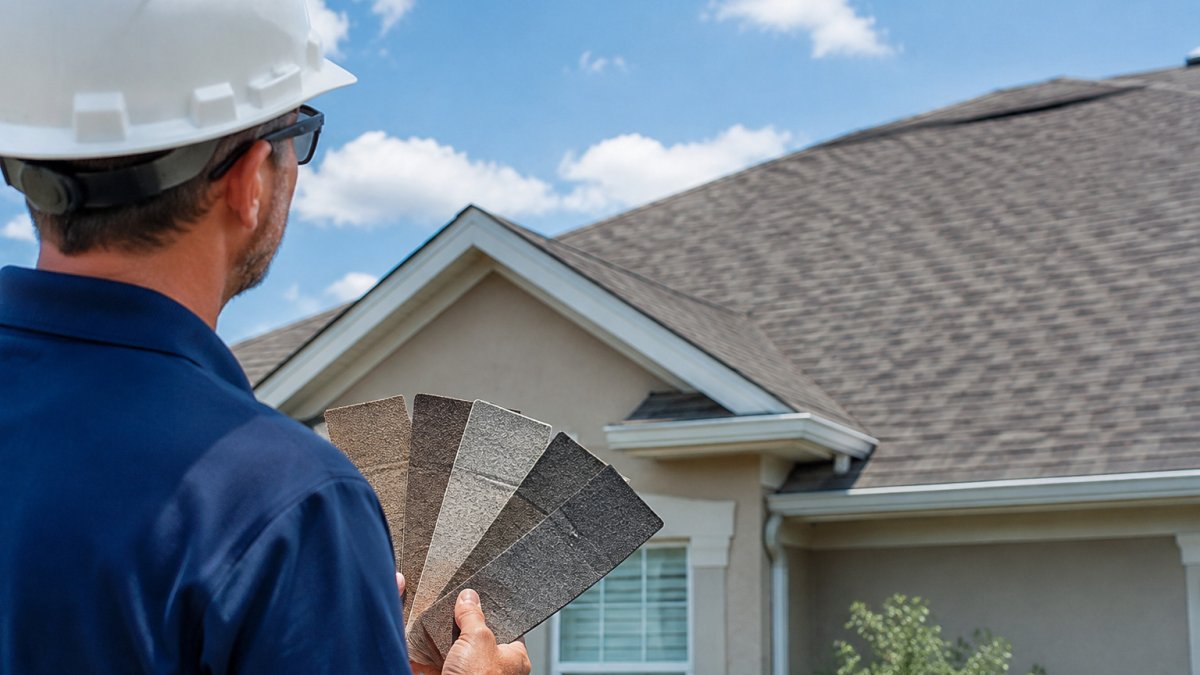
Cool roof shingles and reflective coatings are two ways to get a lighter, cooler surface. Shingles are built with reflective granules or pigments. Coatings are applied over an existing roof.
Check these before choosing:
- Rated reflectance and emittance: Confirm the product's published values.
- Compatibility: Make sure the coating suits your current roof material.
- Warranty terms: Ask whether reflective performance is covered.
Metal roofing is another route to consider. Learn more about metal roofing costs per square foot in Florida before you decide.
Step 5: Factor in Orientation, Pitch, Shade, and Material
Two homes on the same street can get very different results from the same roof color. Orientation, pitch, shade, and material change how much sun actually hits the surface and how long the roof holds the heat it absorbs. Treat color as one variable in a site-specific calculation, not a standalone answer.
Orientation. In the northern hemisphere, a south-facing roof receives the most annual sun, and a west-facing roof takes the most intense afternoon sun when outdoor temperatures peak and air-conditioning demand is highest. A light, high-SRI roof on those planes delivers the largest cooling benefit. North-facing planes get far less direct sun, so color choice there is mostly aesthetic. East-facing planes fall in between. If your home has a complex roofline, ask your contractor which planes face south and west and prioritize reflective product there if budget is limited.
Pitch. Steep roofs (typically above 6:12) shed water and debris faster, which helps a light roof stay light. Low-slope and flat roofs (2:12 and below) accumulate dust, pollen, and biological growth, and standing water after rain, all of which cut reflectivity over time. On low-slope roofs, a reflective coating with a published SRI and a maintenance schedule matters more than the initial color chip.
Shade. Mature trees on the south and west sides can cut direct sun on the roof by a meaningful margin, which reduces how much color matters for those planes. But shade is not a substitute for reflectivity: a shaded dark roof still absorbs heat from ambient air and from the sun at low angles, and shade from deciduous trees disappears in winter when you may want solar gain.
Material. Each roofing material ages differently, and aging is where color performance is won or lost:
- Asphalt shingles: Reflective granules and cool-rated pigments are available, but granules wear and dirt accumulates. Expect reflectance to decline over the life of the roof; ask for the aged SRI, not just the initial rating.
- Metal: Standing-seam and metal shingle products can carry very high initial reflectance and emittance, and they shed dirt well. Dark metal with a cool pigment coating can deliver both curb appeal and rated performance.
- Tile and concrete: Clay and concrete tile hold color well and resist fading, but porous surfaces can collect dirt and biological growth, especially in humid climates. Light tile with a reflective glaze or coating performs best.
- Coatings: Reflective coatings can be applied over an existing roof, but compatibility, adhesion, and warranty coverage vary widely. Confirm the coating is rated for your substrate and that the manufacturer's warranty covers reflective performance, not just waterproofing.
Putting it together. A practical method is to list each roof plane, note its orientation and shade, then match product to plane: high-SRI light product on unshaded south and west planes, mid-tone or darker cool-rated product on shaded and north planes, and a maintenance plan for low-slope areas. That approach captures most of the available savings without forcing the whole roof into one color.
Watch out: choosing a color from a small sample chip under showroom lighting can look very different across a full sunlit roof plane, so view large samples on site at different times of day before you commit.
Asphalt shingle lifespan depends on conditions like these. See our breakdown of seven factors that set shingle lifespan in Florida for more detail.
Common Mistakes to Avoid When Picking a Roof Color
Most homeowners run into the same few problems. Watch out for these:
- Choosing by sample chip alone. Sun exposure on a full roof looks different than a small swatch.
- Ignoring the SRI score. Two light colors can perform very differently.
- Skipping the underlayment check. Any new roof or coating must meet local building requirements. Confirm your roof underlayment requirements for Florida's building code before work begins.
- Assuming shade fixes everything. Shade helps, but it does not replace a reflective surface.
Plan the color, the material, and the code requirements together. Doing so avoids costly rework later.
Booking a Roof Assessment With LRI Restorations
Choosing a roof color is easier with a professional look at your home. LRI Restorations manages every detail, from permitting and engineering to final inspection, so the process stays clear and manageable. We have over 25 years of industry experience, and our owner, Frank Lewis, is a member of the Chamber of Commerce. We have a 94 percent recommend rating based on 16 reviews.
Reach out to discuss your roof options and request a quote. Our team will walk you through the color, material, and timing choices that fit your home.
Frequently Asked Questions
Does a lighter roof color make a house cooler?
Generally, yes. Lighter roofs reflect more sunlight than darker ones, and reflectivity is what drives heat gain. Research from Lawrence Berkeley National Laboratory has examined how increasing roof reflectivity can reduce cooling-energy use in buildings. Results depend on insulation, attic ventilation, and the specific product, so compare solar reflectance ratings rather than relying on color alone.
What is the most energy-efficient roof color?
There is no single best color. White and light gray roofs typically achieve high solar reflectance, which matters most in hot, sunny climates. Medium and dark shades can still perform well when they carry a cool-roof rating. Check the solar reflectance and thermal emittance values listed for a specific product, since two shingles of the same color can perform differently.
Do dark-colored roofs make a house hotter?
Dark roofs absorb more solar radiation, which increases attic and roof-deck heat and can raise cooling demand, especially in hot climates. A dark roof with a high-reflectance coating or cool-roof shingle can perform much better than a standard dark shingle. If you prefer a darker look, ask for reflectance data before you buy, and make sure attic ventilation and insulation are adequate.
Does roof material matter more than roof color for energy efficiency?
Often, yes. Material and product engineering affect solar reflectance, thermal emittance, and how the roof ages. Two roofs in the same color can perform very differently, so the product's rated performance is a better guide than color alone. Pair the material choice with proper attic ventilation and insulation for the most consistent results. For pricing and product options for your home, contact LRI Restorations for a quote.