 How-to
Remote Property Renovation Project Management Tips That Work
Last Updated: November 8, 2026
Quick Summary
Remote property renovation project management tips focus on documenting every decision, writing a clear scope, and tying payments to verified milestones. Set a fixed update schedule, require weekly written progress reports, and get owner sign-off on every change before work proceeds.
- Write a clear scope and set a contingency before signing any contract.
- Verify contractor license and insurance directly with the issuing body.
- Hold a fixed weekly call plus photo updates at the end of each work week.
- Tie payment draws to completed milestones and require conditional lien waivers.
- Approve every change order in writing before the work proceeds.
Table of Contents
- Why Remote Renovation Management Fails and How to Prevent It
- Setting Scope, Goals and a Realistic Budget From a Distance
- How to Vet a Remodeling Contractor Before You Sign
- Building a Renovation Project Timeline With Milestones
- Tracking Progress With a Contractor Progress Report Template
- Remote Renovation Project Management Tools Worth Using
- Payment Controls, Inspections and Quality Checks You Can Run Remotely
- Start Your Remote Renovation With a Clear Plan and a Call to LRI Restorations
- Frequently Asked Questions
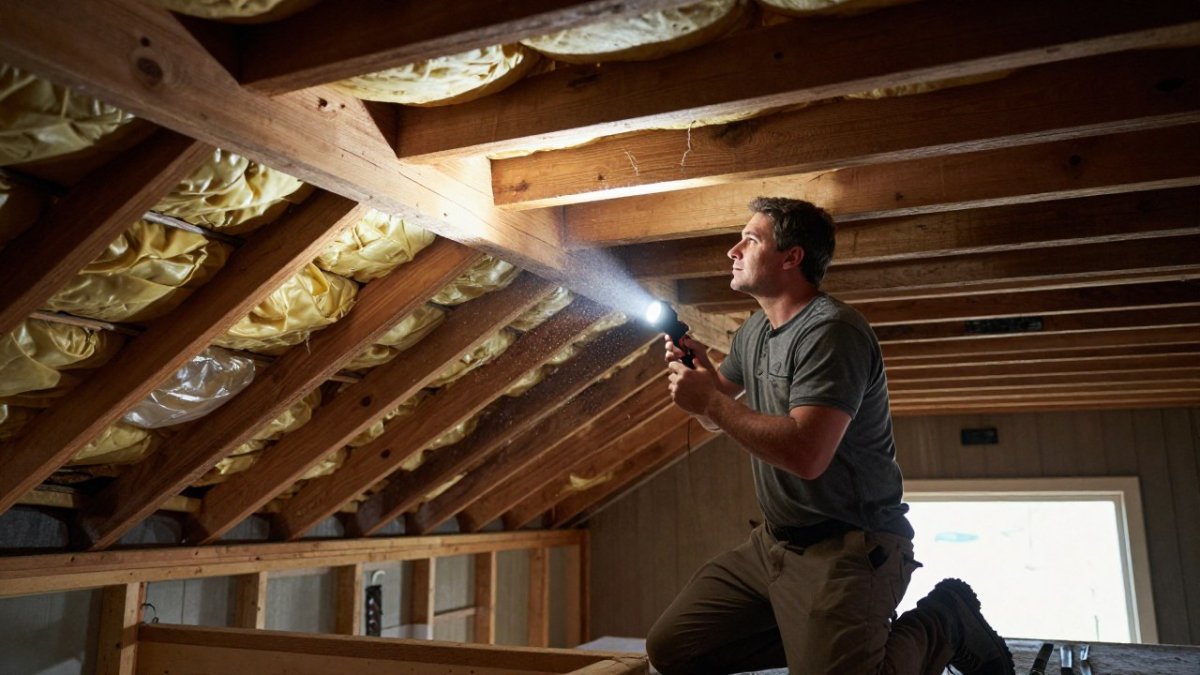
Many renovation projects now run across distance, and owners often need to oversee them without standing on the job site every day. Homeowners relocating to Florida's Gulf Coast, or those who split time between states, often need to oversee a remodel without standing on the job site every day. Remote oversight is possible, but it fails in predictable ways. This guide covers those failure points and the practical habits that keep a project on track from a distance.
Why Remote Renovation Management Fails and How to Prevent It
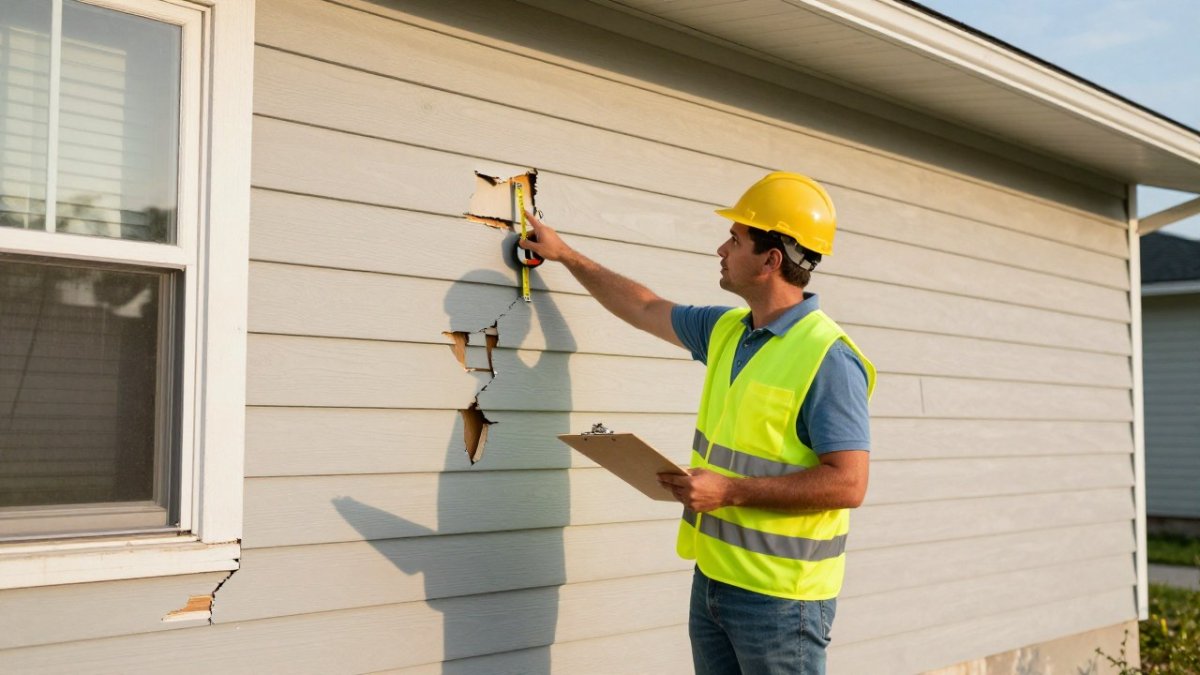
Most remote renovations fall apart from a lack of information, not a lack of effort. The owner hears about progress days late, approves a change without seeing it, or pays ahead of the work. Each gap compounds.
The most common failure points include:
- Decisions made on the site without owner sign-off
- Progress reports that describe activity instead of finished work
- Payments released before milestones are actually complete
- Silence from the contractor that goes unnoticed for weeks
Prevention starts with a simple rule: if it isn't documented, it didn't happen. Set up a shared folder, a written scope, and a regular update schedule before any demolition starts. For more on this, see our guide on managing construction permits and engineering requirements.
Setting Scope, Goals and a Realistic Budget From a Distance
Your scope is the single document that protects you from surprises. Write it down in plain language: what is being replaced, what stays, which finishes are included, and who supplies materials. Vague scope is the root of most change orders.
Set a contingency before you sign anything. Many owners plan for a contingency held separately from the base contract. Remote owners may find that problems discovered behind walls take longer to resolve when they cannot inspect them directly.
Ask for a line-item budget tied to the scope. If a number cannot be traced to a specific task, ask why it is there.
How to Vet a Remodeling Contractor Before You Sign
Vetting matters more when you cannot visit the site. Use these checks before you commit:
- Confirm licensing and insurance. Ask for current license numbers and certificates of insurance, then verify them directly with the issuing body. Learn how to verify contractor insurance and licensing before you accept any paperwork.
- Check references from recent projects. Ask for two or three homeowners who worked with the contractor within the past year, and ask whether the project finished on time and on budget.
- Read the written contract closely. It should include scope, payment schedule, timeline, change order process, and warranty terms.
- Look for a clear communication plan. A reliable contractor will tell you how and how often you will hear from them.
Be cautious of any contractor who asks for a large upfront deposit, refuses to put terms in writing, or discourages you from speaking with past clients.
Building a Renovation Project Timeline With Milestones
A timeline turns a vague start date into a set of checkpoints you can verify from home. Break the project into phases such as demolition, rough-in, inspection, finishes, and final walkthrough. Tie each phase to a specific deliverable.
Permits and inspections often set the pace of the whole job, so schedule them early. Build time into the plan for inspector availability. Our guide on avoiding contractor project delays explains the most common causes of slippage and how to plan around them.
Setting a Remote Oversight Cadence
Choose a fixed rhythm for updates and stick to it. A workable pattern for most remote owners is:
- A short weekly call to review the schedule and open decisions
- Photo or video updates from the site at the end of each work week
- A same-day message for any change to scope, cost, or timeline
A consistent cadence matters more than frequency. It lets both sides know when to expect information and when to raise a concern.
Tracking Progress With a Contractor Progress Report Template
A written progress report gives you a record you can compare against the schedule. A simple template should include:
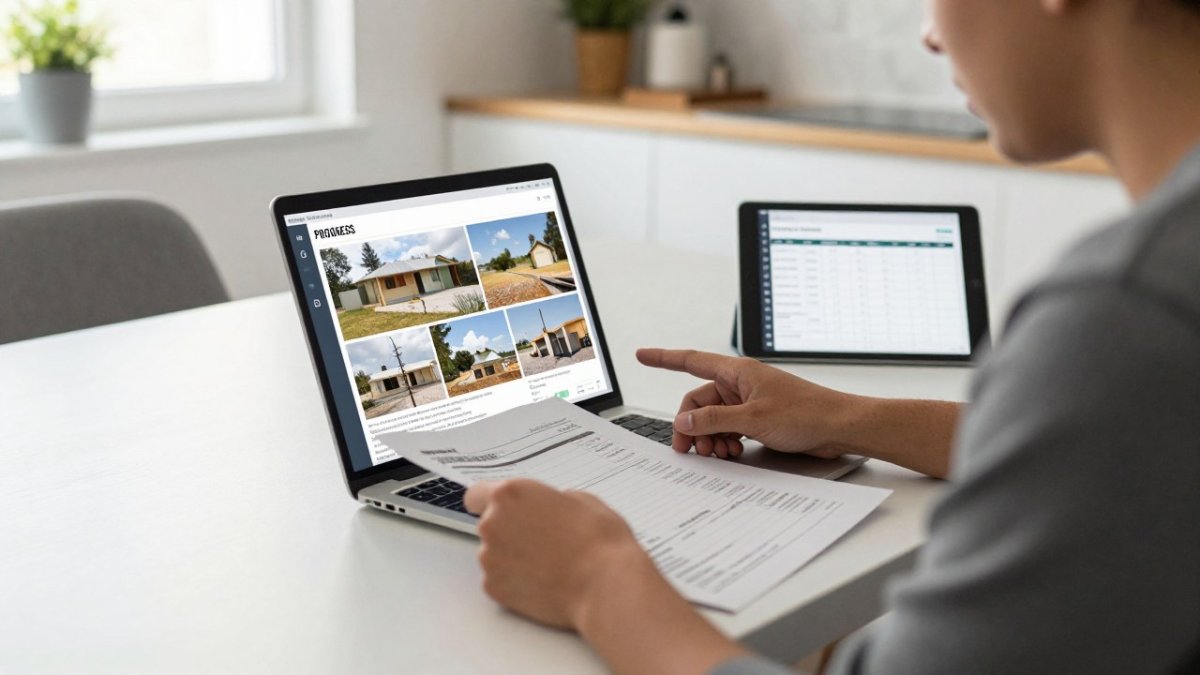
Week of: ____ Work completed this week: ____ Work planned next week: ____ Open decisions needing owner approval: ____ Budget status (spent to date vs. contract): ____ Schedule status (on track / behind, and why): ____ Photos attached: Yes / No
Ask the contractor to fill this in weekly, and file each report in your shared folder. Over time, the reports show whether the project is moving as planned.
Remote Renovation Project Management Tools Worth Using
You do not need expensive software. A few tools cover most needs:
- Shared cloud folder for contracts, permits, photos, and reports
- Project tracking tool such as a shared spreadsheet or a simple task board for schedule milestones
- Video call platform for weekly walkthroughs with the site team
- Messaging thread with a single contact for quick questions
Choose tools the contractor will actually use. A system nobody updates is worse than a simple one that everyone keeps current.
Payment Controls, Inspections and Quality Checks You Can Run Remotely
Remote payment control comes down to one rule: money moves only against evidence you can see and file. Build that evidence into the contract before work starts.
Structure payments around verifiable milestones. A common schedule ties draws to completed phases, with a final payment held until the final walkthrough and punch list are signed off so the contractor has a reason to return for punch-list items.
Require documentation with every draw request. Ask for an invoice that itemizes work completed against the line-item budget, photos of the completed milestone, and, where your state allows and your contractor's attorney prepares them, a conditional lien waiver for the amount being paid, with unconditional waivers for prior payments. Lien waivers protect you from a subcontractor or supplier filing a lien for work you already paid the general contractor for. Verify the waiver matches the invoice amount and the pay period before releasing funds.
Verify invoices rather than trusting the total. Compare each invoice line to the budget line, confirm the percentage of completion claimed matches the photos, and check that no line is billed twice. If a line cannot be matched to the scope, hold that portion and ask for backup.
Control change orders in writing. Every change should have a written change order showing the description, the cost, the schedule impact, and the owner's written approval before the work proceeds. A verbal change approved over the phone is the most common source of disputed invoices on remote projects. Keep a running change-order log with date, description, amount, and approval status, and reconcile it against the budget monthly.
Verify inspections through the record, not the report. Ask for the permit number at the start, then check inspection results through the local building department's online portal or by calling the department directly. A passed inspection should appear in the permit record; if it does not, treat the milestone as unverified.
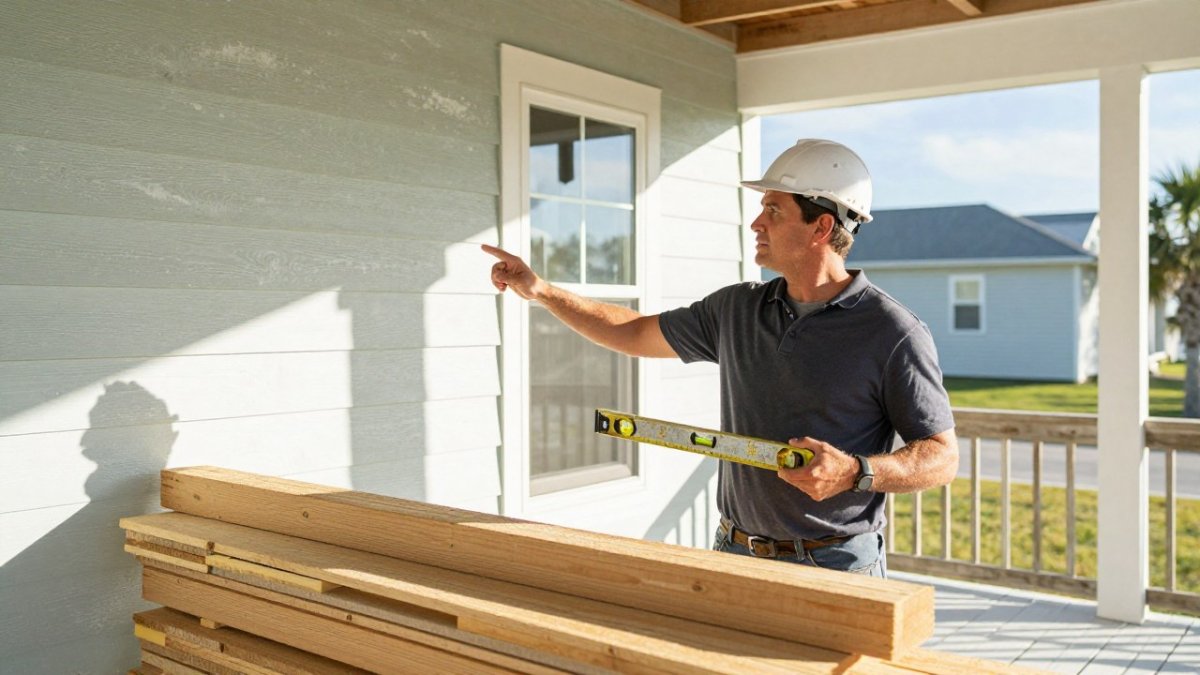
Set measurable acceptance criteria in the contract. Vague standards ("professional finish") cannot be enforced from a distance. Specify what "done" means room by room: paint sheen and coverage, tile lippage tolerance, grout line width, cabinet alignment and door reveal, fixture models and finishes, and the punch-list process. Require photos at defined hold points, before drywall closes, after waterproofing in wet areas, after rough-in, so problems are caught while they are still cheap to fix.
Use a room-by-room sign-off. At each phase, have the contractor send photos keyed to the room and the acceptance criteria, and record your approval or rejection in writing. That record is what you rely on if a dispute arises later.
Watch out: paying a draw before milestone documentation arrives can reduce your leverage on a remote job.
The article lists the main remote controls that protect your money and quality, summarised below.
| Control | How it works | Why it matters |
|---|---|---|
| Milestone payments | Draws tied to completed phases | Money moves only against finished work |
| Lien waivers | Conditional waiver per payment, unconditional for prior payments | Protects against subcontractor or supplier liens |
| Change orders | Written description, cost, schedule impact and owner approval | Prevents disputed verbal changes |
| Permit record | Check inspection results via the building department portal | Confirms milestones are verified |
| Hold points | Photos before drywall closes, after waterproofing, after rough-in | Catches problems while cheap to fix |
| Room-by-room sign-off | Photos keyed to each room and acceptance criteria | Creates a written record for disputes |
Start Your Remote Renovation With a Clear Plan and a Call to LRI Restorations
Remote renovation management works when scope, vetting, timeline, reporting, and payment controls are all in place before the first wall comes down. The steps in this guide give you a structure to follow whether you are local or across the country.
LRI Restorations manages projects from permitting and engineering through final walkthrough, with clear communication throughout the project. Family owned and operated, with over 25 years of industry experience and a 94 percent recommend rating from 16 reviews, we work to make the process predictable.
Ready to plan your renovation? Get a Quote from LRI Restorations and start with a clear scope and timeline.
Frequently Asked Questions
How do you manage a home renovation remotely?
Start with a written scope of work, a shared folder for plans, permits and invoices, and a fixed update schedule with your contractor, such as a weekly written progress report plus a short video walkthrough. Approve change orders in writing before work begins, and keep a decision log so every choice has a date and an owner. Consider arranging site visits by a local inspector or representative at key milestones so you can verify quality without flying in each week.
How do you find and vet a contractor when you live out of state?
Verify the contractor's state license and general liability insurance, confirm workers' compensation coverage, and check that the business has a verifiable physical address. Ask for at least three references from completed projects that you can call, and ask to see recent jobs in person or on video. Use a written contract that lists the scope, payment schedule, permit responsibility and warranty terms, and avoid anyone who asks for a large upfront deposit.
What should a remote renovation project update include?
A useful update lists work completed since the last report, work planned for the next period, and any delays with their cause. Include dated site photos from the same angles each time, a budget status showing spent, committed and remaining amounts, and any decisions you need to make. Flag any change order with its cost and schedule impact before the work is done.
How do you track a renovation budget from a distance?
Keep a running spreadsheet with each line item from the contract, and record every invoice and payment against it. Hold a contingency for unexpected conditions, and require written change orders for anything outside the scope. Tie each payment to a verified milestone rather than a calendar date.