 How-to
7 Factors That Set Florida Asphalt Shingle Lifespan in 2026
Quick Summary
A typical asphalt shingle lifespan in Florida is 15 to 25 years, according to JAE of America's 2026 guide. Three-tab shingles sit at the shorter end, while architectural shingles last longer when installed correctly with proper ventilation.
- Three-tab shingles last 12 to 15 years in Florida, per Mesa Insurance's 2026 guidance.
- Architectural shingles last 20 to 25 years in Florida when installed correctly.
- Florida heat, UV and humidity can cost standard asphalt shingles 3 to 5 years of life.
- Warranty length describes coverage terms, not expected performance on a Florida roof.
- Wind and storm damage often shortens roof life more than normal aging does.
Table of Contents
- How Long Asphalt Shingles Really Last in Florida
- Three-Tab vs. Architectural Shingles: Why Lifespan Differs
- How Florida Heat, UV, Humidity and Salt Air Shorten Shingle Life
- Hurricanes, Wind and Storm Damage: The Biggest Lifespan Risk
- Florida Roof Age Rules 2026: Insurance Versus Physical Lifespan
- How to Extend Your Asphalt Shingle Roof Life
- Signs It Is Time for an Asphalt Shingle Roof Replacement
- Plan Your Roof Replacement Before Hurricane Season with LRI Restorations
- Frequently Asked Questions
How Long Asphalt Shingles Really Last in Florida
Last Updated: November 16, 2026
Florida roofs age faster than most. A typical asphalt-shingle roof in Florida is reported to last 15 to 25 years, according to JAE of America's 2026 Florida homeowner guide on roof lifespan. That range is shorter than many homeowners expect, and the gap matters when you plan your budget.
Roofs that look sound from the street can still show wear once they are inspected up close. Our guide to spotting hidden storm damage shows what to check when the roof looks fine from the ground. The shingles that carry the most risk are often the ones nobody has inspected in years.
Most people assume a roof lasts as long as the manufacturer's warranty. That assumption is the first mistake. Warranty life and real-world Florida performance are two different things, and the gap between them is where most surprise repairs come from.
- Typical asphalt-shingle lifespan in Florida: 15 to 25 years
- Three-tab shingles: shorter end of that range
- Architectural shingles: longer end, when installed correctly
Three-Tab vs. Architectural Shingles: Why Lifespan Differs
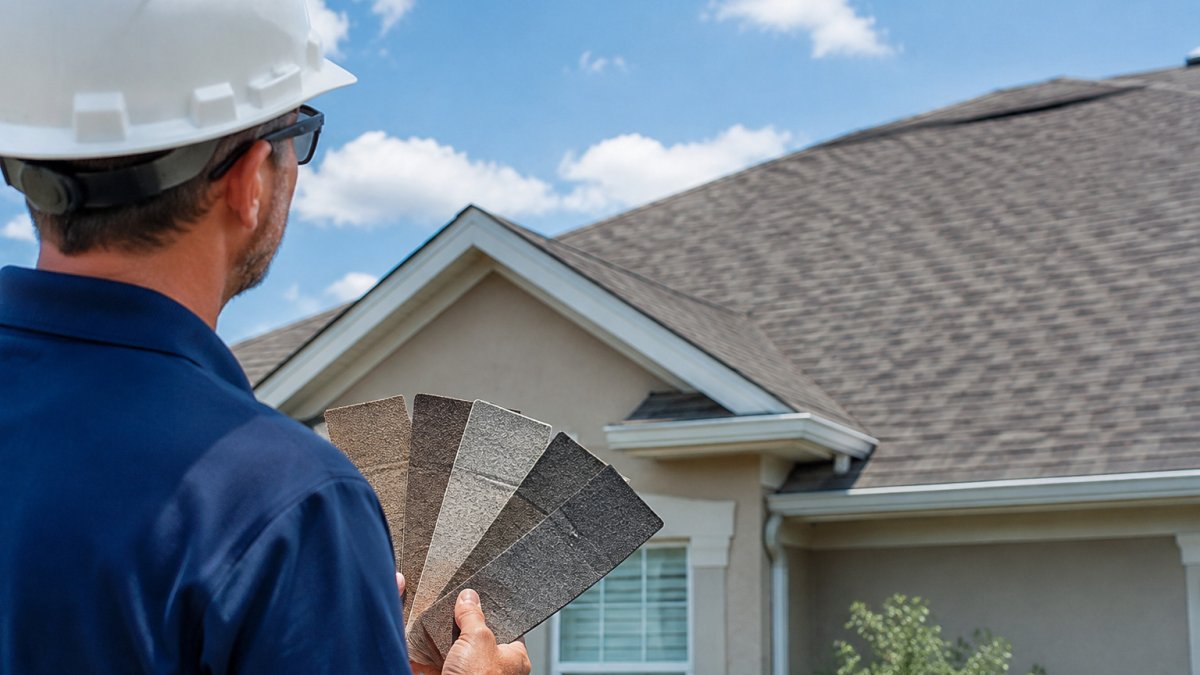
Three-tab and architectural shingles are both asphalt products, but they are not built the same way, and the construction difference is what drives the lifespan gap. For a broader comparison of roofing materials suited to Florida, see our guide to the best roofing materials for Florida climate. Mesa Insurance reports 12 to 15 years for three-tab shingles and 20 to 25 years for architectural shingles in Florida conditions, per Mesa Insurance's 2026 Florida roof age guidance. That spread is not marketing, it comes from how each shingle is manufactured and installed.
Three-tab shingles are a single layer of asphalt-saturated mat cut into three tabs. They are thinner, lighter, and less expensive per square. The trade-off is that the same sun and heat that age any asphalt roof break down a thin shingle faster, and the tabs are more prone to lifting and tearing in wind.
Architectural shingles (sometimes called dimensional or laminated shingles) are built from two or more layers of asphalt-coated mat laminated together. The extra mass absorbs thermal cycling better, the thicker profile resists wind uplift, and the layered construction holds granules longer. Architectural shingles generally last longer when installation is correct and attic ventilation is proper. Put the same shingle on a roof with poor airflow and it can be expected to age sooner.
Installation quality matters as much as the shingle itself. A few concrete things separate a roof that reaches the top of its range from one that fails early:
- Fastener placement and depth. Nails driven too high, too deep, or at the wrong angle create lift points and leaks. Most manufacturers specify nail placement in the installation instructions, and inspectors check it.
- Starter course and edge metal. A proper starter strip and drip edge keep wind from getting under the first course, the failure point in many storm-damaged roofs.
- Underlayment. In Florida, a secondary water barrier or synthetic underlayment is common practice and often required by local code. It is the layer that keeps water out when a shingle fails.
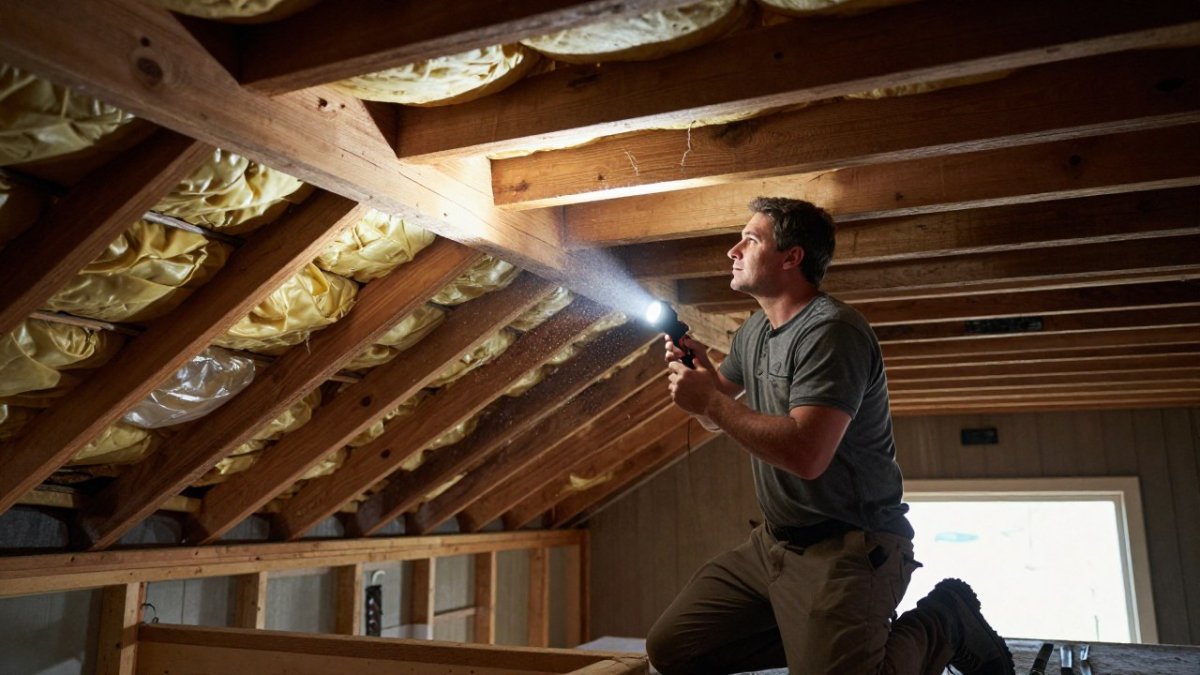
- Attic ventilation. Intake and exhaust ventilation working together move heat and moisture out of the attic. Without it, deck temperatures climb and shingles age from below as well as above.
Warranty life is not service life. Manufacturer warranties vary by product, and those periods describe coverage terms, not expected performance in Florida. Most warranties are prorated after an initial period, exclude labor, and require proof of proper ventilation and installation. A 30-year warranty does not mean the roof will last 30 years on a Florida roof, it means the manufacturer will honor a defined schedule of coverage if the shingle fails under the stated conditions. Workmanship coverage is separate and usually much shorter, often measured in years rather than decades, and it comes from the installer, not the manufacturer.
A common pattern in Florida is a roof sold on a long warranty number and replaced well before that number. When you compare bids, ask three questions: what is the shingle's actual warranty term and what is prorated, what workmanship coverage does the contractor offer and for how long, and what ventilation and underlayment plan is included. The answers tell you more about expected life than the warranty headline does.
The gap in lifespan between the two shingle types comes down to construction and installation, as summarised below.
| Shingle type | Reported Florida lifespan | Key difference |
|---|---|---|
| Three-tab | 12 to 15 years | Single layer, thinner and lighter |
| Architectural | 20 to 25 years | Laminated layers, thicker profile |
How Florida Heat, UV, Humidity and Salt Air Shorten Shingle Life
Florida's climate works against asphalt shingles every day. Heat and ultraviolet exposure break down the asphalt and granules that protect the shingle. RoofVista estimates that standard asphalt shingles lose 3 to 5 years of expected lifespan here compared with northern states, as RoofVista's 2026 Florida roof replacement pricing guide explains. Because heat and ultraviolet exposure steadily wear down protective granules, asphalt shingles lifespan depends on how well a roof resists those stresses over time.
Humidity adds a second problem. Moisture gets trapped under shingles and in the roof deck, which speeds up rot and mold. Coastal homes take on another load from salt air, which corrodes fasteners and flashing.
Watch for these signs of heat and moisture damage:
- Curling or cupping shingle edges
- Granules collecting in gutters
- Dark streaks or soft spots on the decking inside the attic
- Nails backing out of the roof surface
Hurricanes, Wind and Storm Damage: The Biggest Lifespan Risk
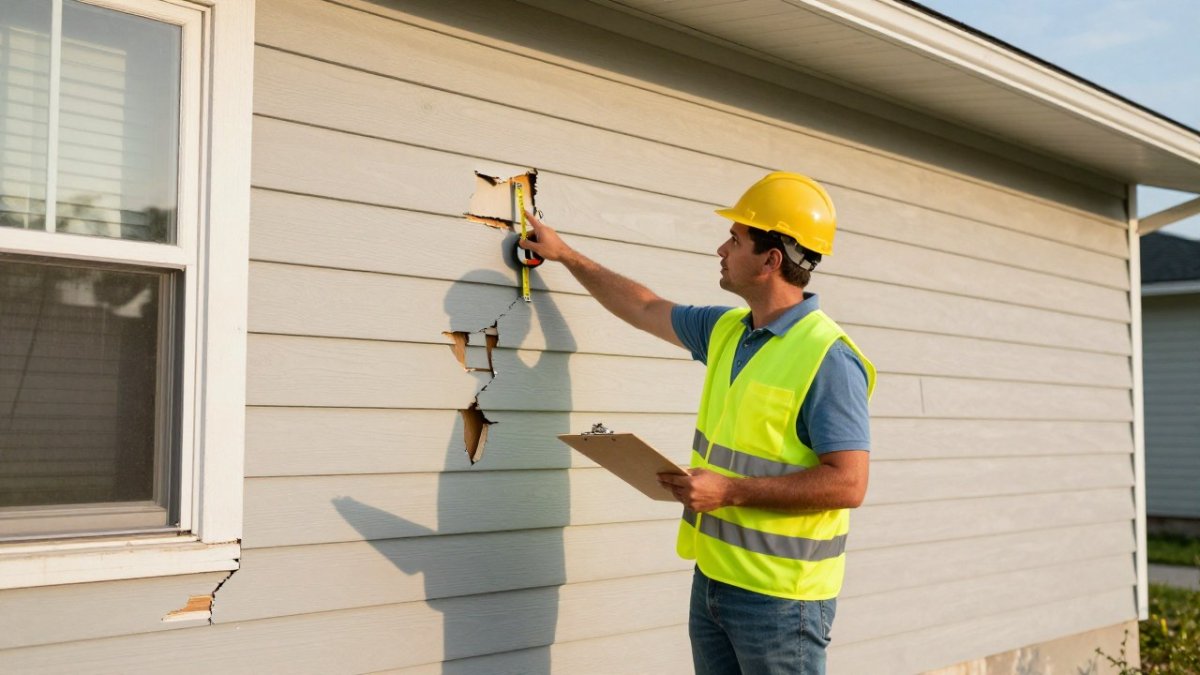
Wind does more damage to Florida roofs than age does. A single storm can lift shingles, break seals and expose the underlayment, even when the roof looks fine from the ground. These hidden injuries shorten service life long before anyone sees a leak.
Many homeowners wait until a leak appears. By then, water may have soaked the decking and insulation. If your roof took a storm in the last few seasons, have it checked before the next one arrives. For stronger options, read about impact-resistant shingles for Florida homes, and learn about 5 best roofing materials for hurricane zones before you choose a replacement.
Florida Roof Age Rules 2026: Insurance Versus Physical Lifespan
Roof age and roof condition are not the same thing, and confusing them is one of the most expensive mistakes a homeowner can make. An insurer's roof-age threshold is an underwriting rule, a number used to decide eligibility, premiums, or whether a policy will be written at all. It is not a measurement of your roof's condition, and it is not a guaranteed replacement date.
What insurers actually look at. Carriers commonly use roof age as one input, then layer on other factors: the roof covering type, the presence of a secondary water barrier, documentation of permits and installation, and the results of an inspection. Some carriers require a roof inspection before binding a new policy or renewing an older one. A roof that passes inspection can sometimes stay insured past the age threshold, and a roof that fails inspection can be declined even if it is younger than the threshold.
Documentation is the lever you control. Keep and be ready to produce:
- The permit and final inspection record for the roof installation
- The contractor's invoice and the shingle manufacturer's warranty documents
- Photos of the roof at installation and after any major storm
- Records of repairs, including who did the work and what was replaced
When an insurer questions roof age, documentation is often what separates a smooth renewal from a declined policy or a forced replacement.
Inspection findings versus underwriting findings. A physical inspection looks at shingle condition, granule loss, flashing, decking, and attic ventilation. An underwriting review looks at age, documentation, and risk profile. The two can reach different conclusions about the same roof. A roof can be past an insurer's age threshold and still be in serviceable condition, or it can be within the threshold and already failing. Neither result is a promise about how many years remain.
What this means for planning. Treat the insurance threshold as a planning trigger, not a lifespan estimate. If your roof is approaching a carrier's age cutoff, get a professional inspection and gather your documentation before renewal season, not after a notice arrives. If a carrier declines coverage based on age, ask what documentation or inspection would change the decision, and compare that answer against the roof's actual condition. Replacement decisions should be driven by condition, storm history, and remaining useful life, with the insurance rule as one factor in the timing, not the definition of it.
Watch out: a clean inspection report is not a guarantee of coverage, and a policy renewal is not a certification that the roof is sound. Keep the two records separate and revisit both annually.
How to Extend Your Asphalt Shingle Roof Life
You can add years to a roof with steady, basic care. Start with these habits:
- Inspect the roof twice a year and after every major storm
- Clear debris from valleys and gutters
- Confirm attic ventilation is working, since trapped heat shortens shingle life
- Fix small leaks and loose flashing quickly
- Trim branches that rub or drop debris onto the roof
Proper installation matters as much as maintenance. Ask for a licensed contractor who explains the ventilation and underlayment plan before any work starts.
Signs It Is Time for an Asphalt Shingle Roof Replacement
Repairs make sense for isolated damage. Replacement makes sense when damage is widespread or the roof is near the end of its life. Look for these warning signs:
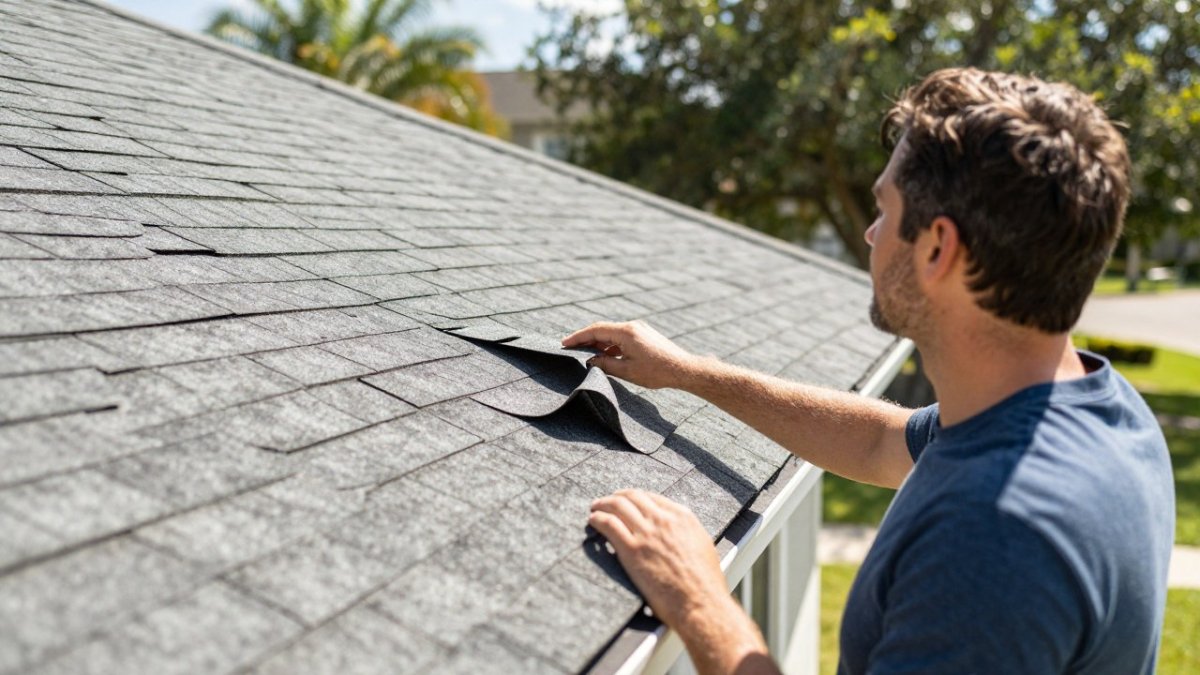
- Shingles that curl, crack or lose granules across large sections
- Recurring leaks in more than one spot
- Soft or sagging decking
- A roof past the lower end of its expected lifespan
Many of these signs are hard to see from the ground. A professional inspection can catch hidden storm damage before it turns into a costly leak. Our team at LRI Restorations can help you tell whether a repair will hold or whether replacement is the smarter move.
Plan Your Roof Replacement Before Hurricane Season with LRI Restorations
Don't wait for the next storm to decide. Schedule a roof inspection now, so you have time to compare options and plan the work. LRI Restorations manages permitting, engineering and final inspection, which keeps the project moving on schedule. For a clear picture of the process, review the roof replacement timeline, then reach out for a quote.
Frequently Asked Questions
How long do asphalt shingles last in Florida?
Lifespans vary by shingle type and conditions, and an inspection is the most reliable way to judge where a given roof sits. Heat, UV exposure, storms and installation quality all push a specific roof toward the shorter or longer end of that range. An inspection is the most reliable way to judge where your roof sits.
Are architectural shingles more durable than three-tab shingles in Florida?
Yes, architectural shingles are generally cited as lasting longer than three-tab shingles in Florida. Thicker construction and better wind resistance contribute to the difference, but correct installation and attic ventilation still determine how much of that lifespan a roof actually delivers.
Do Florida roof age rules for 2026 affect insurance coverage?
Insurance carriers may use roof age when deciding whether to write or renew a policy, and roof age can affect settlement terms and premiums. These underwriting rules are separate from a roof's physical condition, so a roof can be insurable at one age and still be near the end of its service life. Check your policy and speak with your carrier about how roof age is treated before a claim or renewal.
Can regular maintenance extend the life of asphalt shingles?
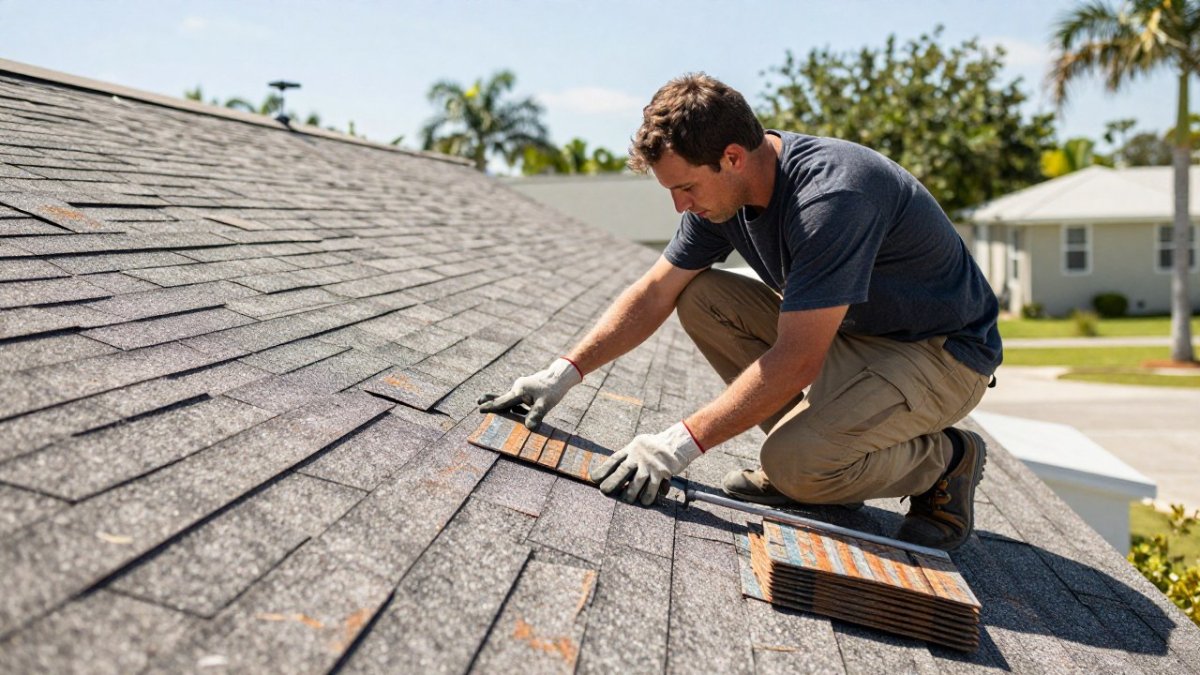
Regular maintenance can help a roof reach the longer end of its expected lifespan. Keep gutters clear, trim overhanging branches, check attic ventilation, and have the roof inspected after major storms. Replacing damaged shingles promptly prevents water intrusion that can damage the roof deck. Proper installation and adequate ventilation remain the foundation, and maintenance protects that investment rather than replacing it.