 blog
White Oak Signature Homes Alternatives: 2026 Builder Comparison
Table of Contents
- Why Homeowners Search for Home Builder Alternatives
- Questions to Ask a Home Builder Before You Commit
- Home Builder Comparison Checklist: What Actually Matters
- Custom Home Construction Contract Checklist: Protect Your Investment
- Hiring a Contractor from Out of State: What You Need to Know
- Red Flags That Separate Quality Home Builders from the Rest
- How to Verify a Builder's License, Insurance, and Track Record
- Frequently Asked Questions
Last Updated: October 21, 2026
Why Homeowners Search for Home Builder Alternatives
Choosing a custom home builder is one of the largest decisions a homeowner will make. When you're evaluating White Oak Signature Homes alternatives, you're likely asking yourself the right questions: Will this builder actually deliver on their promises? Can I trust them with my investment? Will they communicate clearly throughout the process, or will I be left wondering what's happening to my project?
At LRI Restorations, we've worked with homeowners across Florida's Gulf Coast who've had difficult experiences with builders. The reality is that not every builder operates with the same level of transparency and accountability. Some disappear mid-project. Others nickel-and-dime clients with change orders. A few simply lack the expertise to navigate complex permitting, insurance claims, or the specific demands of building in hurricane-prone regions.
This guide walks you through the critical questions, checklists, and red flags that separate quality home builders from those you should avoid. Whether you're relocating from out of state, managing a complex custom home project, or simply want to make an informed decision, understanding how to properly vet a builder protects both your investment and your peace of mind.
Questions to Ask a Home Builder Before You Commit
Before signing a contract, you need answers to specific questions that reveal how a builder actually operates, not just what they claim in marketing materials.
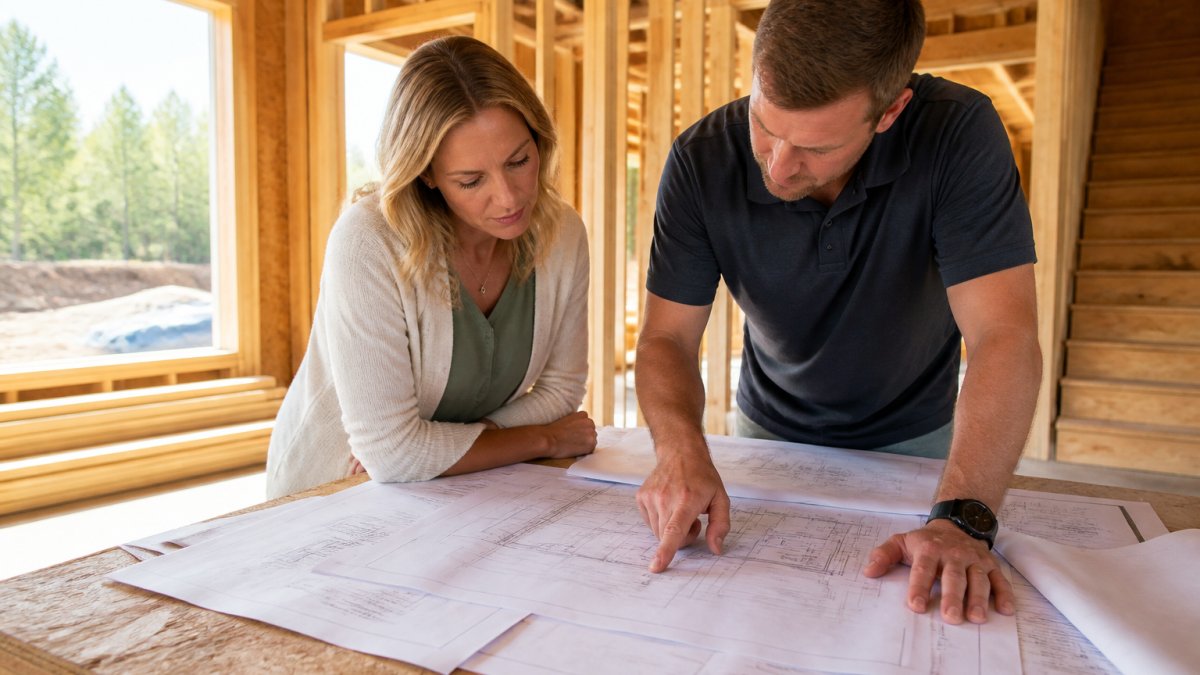
Start with timeline and availability. Ask: "What's your current project load, and when can you realistically start my project?" A builder who's overcommitted will delay your start date or rush through work.
Next, ask about their permitting and engineering process. "Do you handle all permitting and engineering, or will I need to manage subcontractors?" A quality builder owns the entire permitting process. They understand local codes, work with inspectors, and handle the paperwork.
Ask directly about their insurance and licensing. "Can you provide proof of current general liability insurance, workers' compensation, and your active contractor's license?" Request they show you documentation, not just tell you they have it.
Ask about their experience with your specific project type. "How many projects like mine have you completed in the last three years?" A builder experienced with custom homes is different from one who primarily does renovations.
Finally, ask about their change order process and how they handle unexpected issues. "How do you communicate cost overruns? What's your process for approving changes?" This question reveals whether they're transparent about costs or if they'll surprise you with bills later.
Home Builder Comparison Checklist: What Actually Matters
When comparing builders, most homeowners focus on price. That's a mistake. A lower bid often means corners are being cut, timelines will slip, or you'll face unexpected costs. The home builder comparison checklist that actually matters focuses on reliability, communication, and execution.
Create a simple spreadsheet with these criteria for each builder you're considering:
- License and Insurance Status: Verify active license, liability coverage, workers' compensation. Check for complaints or disciplinary actions with your state's licensing board.
- Years in Business and Project Volume: How long have they been operating? How many projects do they complete annually? Newer builders may lack experience with complex issues.
- Specialization and Project Types: Do they specialize in custom homes, renovations, or both? Experience with your specific project type matters.
- Communication Process: How do they handle updates? Weekly meetings? Email summaries? Phone calls? Clarity here prevents misunderstandings.
- Permitting and Engineering: Do they handle everything in-house, or do they subcontract? Who's responsible if permits are delayed?
- Timeline Realism: Are their estimated timelines based on actual past projects, or are they optimistic guesses?
- Change Order Transparency: How do they handle scope changes? Do they provide written estimates before proceeding?
- Customer References: Can they provide contact information for three recent clients? Call them, ask about communication, timeline adherence, and final costs.
- Contract Terms: Do they offer a warranty? What does it cover? How long? What's their dispute resolution process?
The builders who rank highest on this checklist aren't necessarily the cheapest, they're the ones you can trust to deliver.
| Criteria | Weight | Builder A | Builder B | Builder C |
|---|---|---|---|---|
| License & Insurance Verified | High | Yes | Yes | No |
| Years in Custom Homes | High | 12 | 5 | 8 |
| Communication Process | High | Weekly | As-needed | Monthly |
| Permitting Handled In-House | High | Yes | Partial | No |
| Recent Client References | High | 3 available | 2 available | 1 available |
| Change Order Process | Medium | Written quotes | Verbal estimates | Verbal estimates |
| Warranty Coverage | Medium | 5 years | 2 years | 1 year |
| Average Timeline Accuracy | Medium | Within 10% | Within 20% | Often delayed |
Custom Home Construction Contract Checklist: Protect Your Investment
A strong contract is your protection. Many homeowners skip this step or trust a builder's "standard" contract without review. That's how projects spiral out of control and disputes happen. The custom home construction contract checklist ensures you're protected before work begins.
Your contract must clearly define the scope of work. Every detail matters: square footage, materials, finishes, appliances, paint colors, flooring type. If it's not in writing, it's not guaranteed. Vague language like "quality materials" or "standard finishes" leads to disputes.
Payment terms should be tied to completion milestones, not arbitrary dates. A typical structure might be: 10% upon signing, 15% at foundation completion, 20% at framing, 20% at electrical/plumbing rough-in, 20% at drywall, 10% at final inspection, 5% after final walkthrough.
The contract must specify who handles permits, inspections, and engineering. It should state clearly: "Builder is responsible for obtaining all necessary permits, scheduling inspections, and ensuring code compliance." If the builder won't take this responsibility, question why.
Include a timeline with specific start and completion dates.
Define the warranty clearly. What's covered? For how long? What's the process for warranty claims? A quality builder stands behind their work.
Include a change order clause. Any scope changes must be requested in writing, include a detailed cost estimate, and require written approval before work begins. This prevents surprise bills.
Finally, include a dispute resolution clause. Will you use mediation, arbitration, or court? Mediation is often faster and cheaper than litigation.
Hiring a Contractor from Out of State: What You Need to Know
Start by verifying their license in the state where they'll build. Each state has its own licensing board and requirements. Search their name and license number on the state's contractor licensing website. Check for complaints, disciplinary actions, or license suspensions.
Request proof of insurance and verify it directly with their insurance company, don't just accept a certificate. Call the insurance agent and confirm the policy is active and the coverage limits are appropriate for your project size.
Ask for local references, people in the area where you're building who can speak to how they handle projects there.
Require a detailed contract that specifies how communication will happen. If you're out of state, will they provide weekly photo updates? Video calls for project reviews? Clear communication protocols prevent misunderstandings when you can't visit the site frequently.
Ask how they handle disputes or issues that arise. What's their process? Will they work with your local attorney if needed? Understanding their approach to conflict resolution before problems occur protects you.
Consider requiring a performance bond, a third-party guarantee that the builder will complete the work as specified. This adds cost but provides significant protection when hiring someone you haven't worked with before.
Finally, visit the site in person before signing the contract. Meet the team who'll manage your project. See their current work. Ask questions. Trust your instincts about whether this is someone you can work with for months.
Red Flags That Separate Quality Home Builders from the Rest
Certain warning signs indicate a builder isn't trustworthy. Recognizing these red flags early saves you from costly mistakes and stress.
A builder who avoids putting things in writing is a major red flag. If they're reluctant to provide a detailed contract, written timeline, or cost breakdown, they're hiding something. Quality builders document everything.
Pressure to pay upfront or large deposits before work begins signals risk. Legitimate builders structure payments around completed milestones. If someone wants 50% down before breaking ground, that's a warning.
Unwillingness to provide references or reluctance to connect you with past clients suggests they have something to hide. A confident builder with satisfied customers readily provides contact information.
Vague answers about timelines or costs indicate they either don't know their own processes or they're intentionally being unclear. "It'll probably take five or six months" and "costs depend on what you want" are non-answers.
A builder who dismisses your questions or gets defensive when you ask to verify their license, insurance, or references is showing you they don't respect your due diligence. That attitude won't improve once the contract is signed.
Complaints with the Better Business Bureau, state licensing board, or online reviews mentioning communication problems, missed deadlines, or surprise costs are serious red flags. One negative review might be an outlier; multiple complaints about the same issues indicate a pattern.
If a builder can't clearly explain their permitting process or who handles inspections, that's a red flag. Permitting is complex, and a builder who doesn't own this process will create problems for you.
How to Verify a Builder's License, Insurance, and Track Record
Verification isn't optional, it's essential. Here's exactly how to do it.
Start with your state's contractor licensing board. Most states have an online searchable database. Search the builder's name and license number. Verify the license is active (not expired or suspended).
For insurance verification, ask for a certificate of insurance showing general liability and workers' compensation coverage.
Check the Better Business Bureau (BBB) for complaints and the builder's rating. While not every complaint indicates a problem, patterns of similar complaints are telling.
Search online reviews on Google, Yelp, and industry-specific sites. Look for patterns. One negative review is less concerning than multiple reviews mentioning the same problems.
Ask the builder for a list of completed projects from the last 18-24 months. Contact at least three clients directly. Ask specific questions: Did the project stay on timeline? Were there surprise costs?
Visit completed projects in person if possible. Look at the quality of work, attention to detail, and how well the home has held up. Talk to the homeowners if you can.
Finally, check with your local building department. Ask if this builder has any open violations, permit issues, or complaints on file.
Finding the right custom home builder comes down to doing your homework before you sign.
At LRI Restorations, we've built our reputation on exactly this approach, handling every detail from permitting and engineering to final inspection, keeping you informed throughout, and delivering work built to withstand Florida's weather.
Frequently Asked Questions
What questions should I ask a custom home builder before signing a contract?
Ask about timeline and completion guarantees, licensing and insurance verification, references from past projects, how they handle change orders and cost overruns, warranty coverage, and their process for managing permits and inspections. Request a detailed written estimate that breaks down labor, materials, and contingency costs. Ask how they communicate project updates and who your primary point of contact will be throughout construction.
How can I manage a home-building project when I live out of state?
Hire a contractor experienced in remote project management who provides regular photo updates, video walkthroughs, and detailed progress reports. Establish clear communication protocols (weekly calls, email summaries). Use a project management platform or shared portal to track schedules and change orders. Consider hiring a local third-party inspector to conduct independent quality checks. Ensure your contract includes detailed milestone payments tied to completed phases, not upfront lump sums.
What should a custom home construction contract include?
A comprehensive contract must specify the project scope, materials, timeline with milestone dates, total price and payment schedule, warranty terms, insurance and bonding requirements, dispute resolution process, and change order procedures. Include detailed plans and specifications, permit responsibilities, site cleanup requirements, and how the builder handles delays caused by weather or supply chain issues. Define what happens if the builder abandons the project and include a lien waiver requirement before final payment.
How do I verify a home builder's license and insurance?
Request the builder's license number and verify it directly with your state's licensing board or contractor regulatory agency, never rely on the builder providing documentation alone. Confirm their general liability and workers' compensation insurance is current by asking for certificates of insurance and contacting the insurance provider directly. Check for any complaints or disciplinary actions on file with the state. Ask for references from recent projects and contact those homeowners to confirm the builder completed work on time and to specification.