 How-to
How to Find Reliable Storm Restoration Companies
Quick Summary
To find reliable storm restoration companies, shortlist three to five local firms, then verify each one's state license and insurance yourself rather than trusting logos or phone assurances. Compare written scopes of work line by line, and avoid door-to-door sellers who push for an immediate signature or upfront payment.
- Check the license on the state licensing board's public lookup, not just the number the company gives you.
- Confirm the license name matches the legal business name on your contract and permit applications.
- Request a certificate of insurance, then confirm active coverage directly with the insurer or agent.
- Get at least three written estimates and compare them by scope, materials, disposal, and permits.
- Walk away from offers to waive your deductible, demands for full payment upfront, or pressure to sign on the spot.
Table of Contents
- Why Choosing the Right Storm Restoration Company Matters
- Step 1: Build a Shortlist of Local Storm Restoration Companies
- Step 2: Verify State Licensing and Insurance Coverage
- Step 3: Check Certifications, References and Reviews
- Step 4: Ask the Right Questions Before You Hire
- Step 5: Compare Written Estimates and Contract Terms
- Red Flags of Storm Chasers and Fraudulent Contractors
- Booking Your Storm Restoration Consultation With LRI Restorations
- Frequently Asked Questions
How to Find Reliable Storm Restoration Companies
Last Updated: November 5, 2026
Why Choosing the Right Storm Restoration Company Matters
After a storm, the wrong contractor can cost you more than money. A crew that rushes the job, skips permits, or disappears halfway through leaves your home exposed to the next rain. We at LRI Restorations have spent more than 25 years in the roofing industry, and we know how much a good contractor matters after a storm.
Storm damage restoration is urgent work, and urgency attracts bad actors. Out-of-area crews often knock on doors within days of a hurricane or hailstorm. Some are legitimate. Many are not.
Your choice affects three things:
- Your home's safety. Water left in walls leads to mold. Loose shingles let water in.
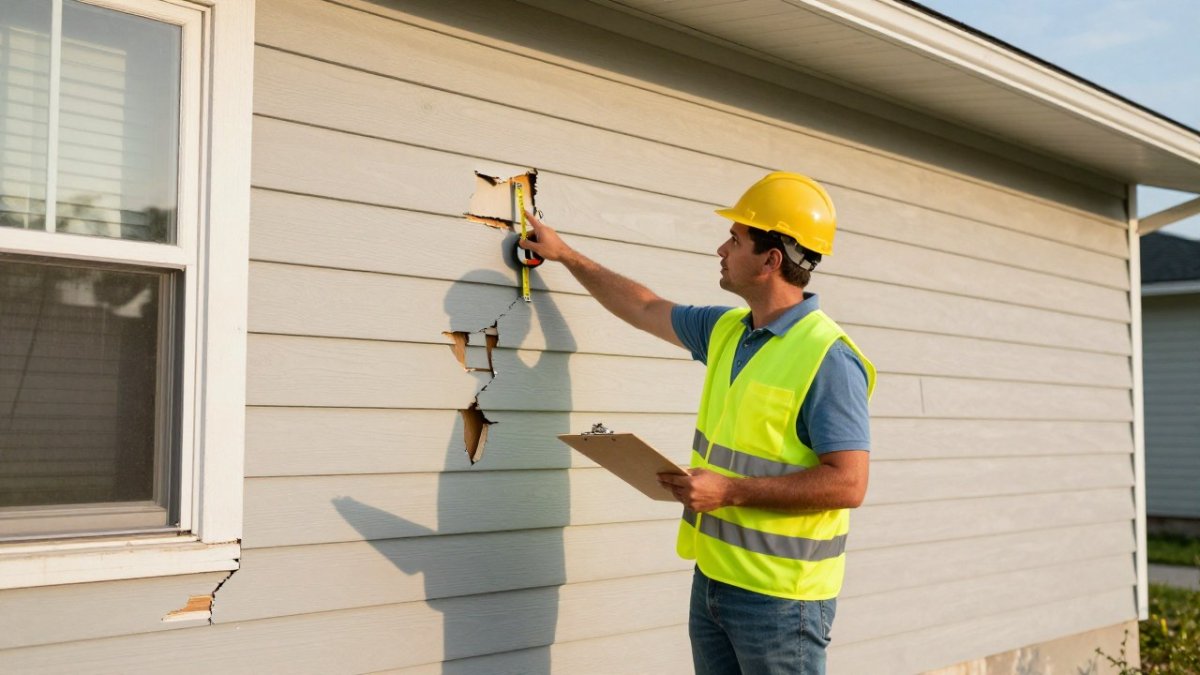
- Your insurance claim. A contractor who understands claims can document damage properly.
- Your timeline. A reliable company explains the schedule before work starts.
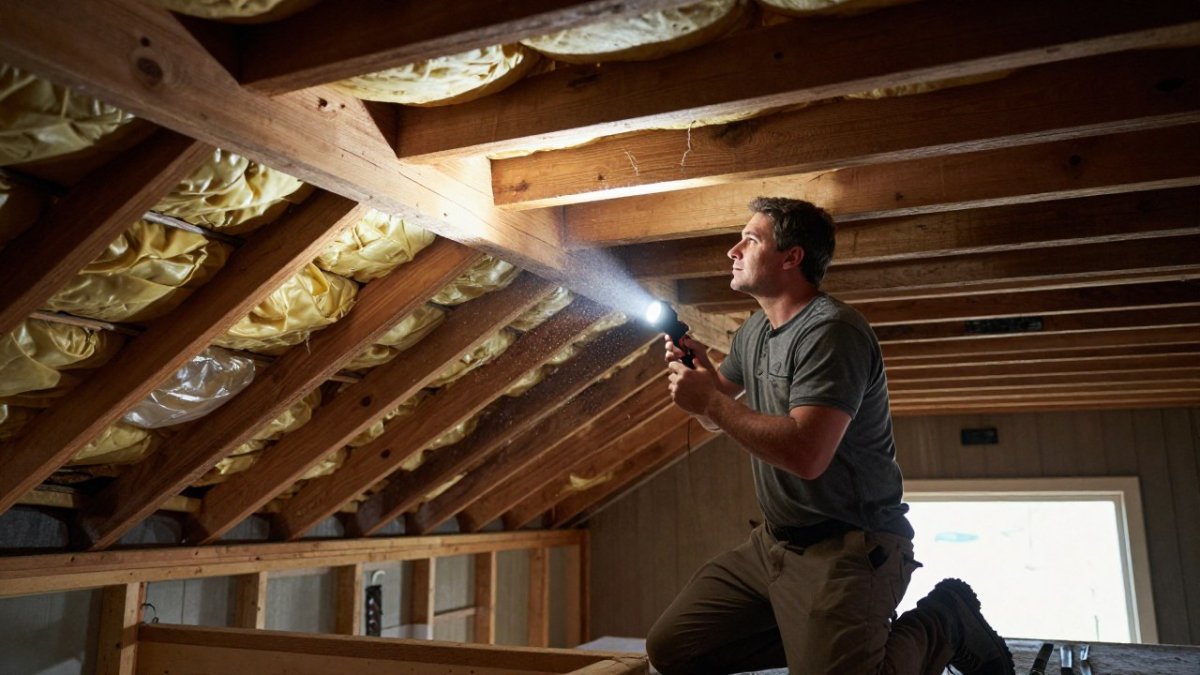
Use this guide as a checklist. Learn why structural checks matter after a storm to see what a thorough inspection should cover. Each step below helps you separate dependable companies from risky ones.
Step 1: Build a Shortlist of Local Storm Restoration Companies
Start close to home. A local company is easier to reach, easier to check, and more likely to still be in business next year.
Here is how to build your list:
- Ask neighbors who had work done after the last storm.
- Check with your insurance agent for their preferred contractor list. Note that these lists are guidance only, and you can choose anyone you trust.
- Search for companies that list a physical address in your area.
- Look at how long each company has operated locally.
Aim for three to five companies. A longer list becomes hard to compare.
Step 2: Verify State Licensing and Insurance Coverage
This step protects you most, and it is the step most homeowners rush. Do not accept a license number read over the phone or a logo on a truck. Ask for documents and verify them yourself.
Licensing: what to request and where to check.
Ask the company to email you its license number and the exact legal business name on the license. Then check the state licensing board's public lookup yourself. In Florida, the Department of Business and Professional Regulation (DBPR) maintains a public license search, and county or city building departments may issue separate local permits and registrations. Confirm four things:
- The license is active, not expired or suspended.
- The license category matches the work (roofing, general contracting, mold remediation, and water mitigation can fall under different licenses).
- The legal business name and license number match the name and number that will appear on your contract and permit applications.
- There are no open complaints or disciplinary actions that concern you.
If a company operates under a trade name, ask for the legal entity name behind it.
Insurance: the three documents that matter.
Ask for a certificate of insurance (COI) and read it carefully. The COI should show:
- General liability insurance with the policy effective dates and limits visible.
- Workers' compensation insurance, or a valid exemption if the owner is a sole proprietor with no employees.
- The named insured, which should match the legal business name on the license.
A certificate is a snapshot, not proof the policy is still in force.
What to do with the documents.
Keep copies of the license record, the COI, and the agent contact information with your contract file.
Watch out: A license number that checks out on the state site but belongs to a different business name than the one on your contract is one of the most common ways unlicensed operators borrow credibility.
Step 3: Check Certifications, References and Reviews
Licenses and insurance are the minimum. Certifications and track record show skill.
Look for:
- Industry certifications, such as IICRC certification for water, mold, and fire restoration.
- Manufacturer certifications for roofing products.
- Membership in local trade or Chamber of Commerce groups.
Ask for references. A good company can give you two or three recent customers with similar jobs. Call them. Ask whether the crew showed up on time, cleaned up, and communicated well.
Read reviews with care. Look for patterns across many reviews rather than a single star rating. Check how the company responds to complaints. A calm, specific reply often says more than a perfect score.
Step 4: Ask the Right Questions Before You Hire
A short conversation can reveal a lot. Use these questions as a storm damage restoration contractor checklist:
- How long have you operated in this area?
- Who will supervise my job, and will they be on site?
- Do you handle insurance paperwork and meet with my adjuster?
- What is your timeline, and what could delay it?
- Will you pull the permits, and who schedules inspections?
- What warranty do you offer on workmanship?
- Do you use subcontractors, and are they insured?
Pay attention to how the company answers. Clear, direct answers suggest a dependable business. Vague answers or pressure to sign quickly are warning signs.
Step 5: Compare Written Estimates and Contract Terms
Get at least three written estimates, and insist that each one is a scope of work, not a one-line total. Storm damage repair estimates vary widely because each reflects a different assumption about what is damaged and how much will be replaced. Compare them line by line, not by the bottom number. If your estimate involves a claim, learn how to navigate storm damage insurance claims before you compare the terms.
Build a comparison sheet.
For each estimate, write down the same categories side by side:
- Scope: which rooms, roof sections, or structural areas are included, and which are excluded.
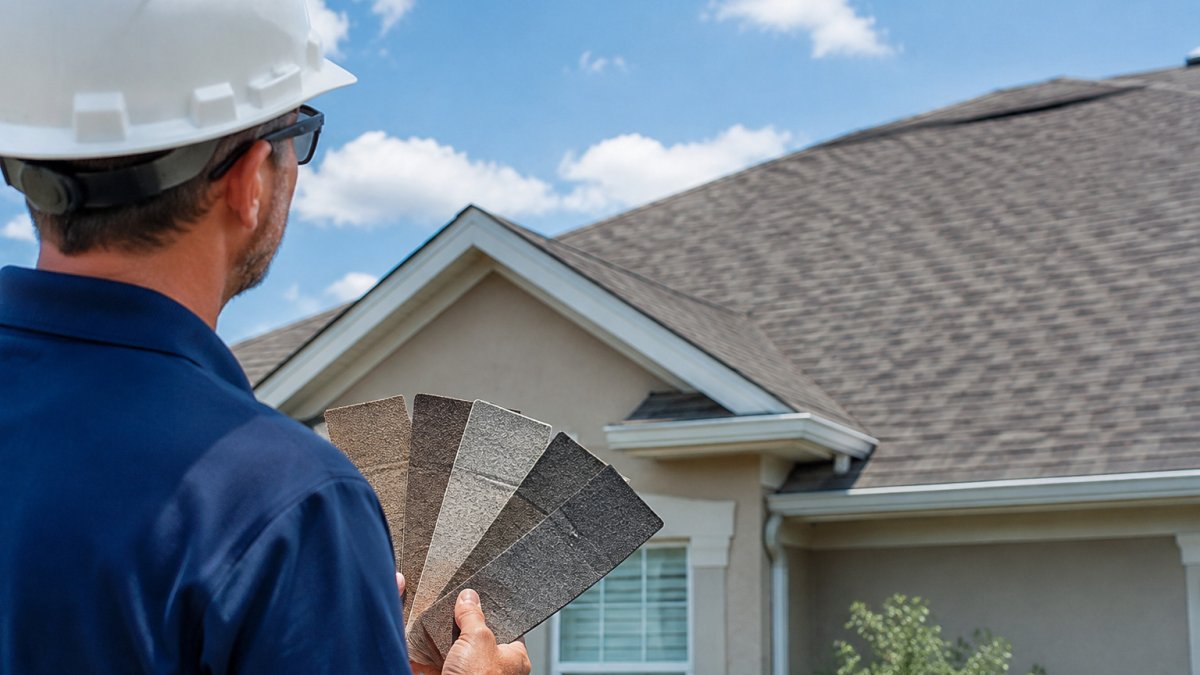
- Materials: brand, grade, and quantity. "Architectural shingles" means little without a product line and a square count.
- Labor and disposal: tear-out, haul-away, and dumpster fees.
- Permits and inspections: who pulls the permit and who pays the fee.
- Drywall, paint, and finish: whether patching and repainting are included or listed as an allowance.
- Mold and water mitigation: whether drying equipment, moisture readings, and antimicrobial treatment are in scope.
- Timeline: start date, duration, and what triggers a delay.
- Warranty: workmanship years and manufacturer coverage, and whether the warranty transfers if you sell.
A low bid often wins by leaving out disposal, permits, or finish work. When you line the estimates up, the missing lines become visible.
Read the contract, not just the estimate.
An estimate is a price; the contract is what you can enforce. Before signing, confirm the contract includes:
- The legal business name and license number of the contractor.
- A written scope of work and a description of materials.
- A start date and a completion timeline, with a process for delays.
- A payment schedule tied to completed milestones, not a large deposit before work begins.
- A written change-order process so added costs require your signed approval.
- A cancellation clause and your rights under state law.
- Warranty terms in writing, including what voids coverage.
- A lien waiver or lien-release process so subcontractors and suppliers cannot come after you for unpaid bills.
Insurance coordination boundaries.
A contractor can document damage, photograph conditions, provide itemized estimates, and meet your adjuster on site. A contractor cannot approve your claim, promise a payout, or act as your insurer.
Before you sign.
Ask each company to explain, in writing, what is excluded from its scope and what happens if hidden damage is found after work starts. Compare those answers across companies.
Watch out: A contract with a large upfront deposit, no written change-order process, and no lien waiver language is a combination that leaves you with little leverage if the job stalls.
Use this summary to compare written estimates and contract terms side by side before you sign.
| Item | What to check | Why it matters |
|---|---|---|
| Estimates to collect | At least three written scopes of work | Compares scope, not just the bottom number |
| Materials | Brand, grade and quantity | "Architectural shingles" alone means little |
| Labor and disposal | Tear-out, haul-away, dumpster fees | Low bids often omit these lines |
| Permits and inspections | Who pulls the permit and pays the fee | Missing permits can leave you exposed |
| Payment schedule | Milestones, not a large upfront deposit | Limits your financial risk |
| Change orders | Written process with your signed approval | Prevents surprise added costs |
| Lien waiver | Lien-release process in the contract | Protects you from unpaid subcontractor bills |
| Warranty | Workmanship years and what voids it | Shows what coverage actually transfers |
Red Flags of Storm Chasers and Fraudulent Contractors
Storm chasers move into an area after a disaster, work fast, and leave before problems surface. Watch for these warning signs:
- Door-to-door sales that push you to sign on the spot.
- Offers to waive your insurance deductible. In many cases, this is illegal.
- Requests for full payment before any work begins.
- No local address, or a phone number with an out-of-state area code only.
- Pressure to let them file the insurance claim and handle your check.
- No license number, or a license that does not match the company name.
- Reluctance to put the estimate and scope of work in writing.
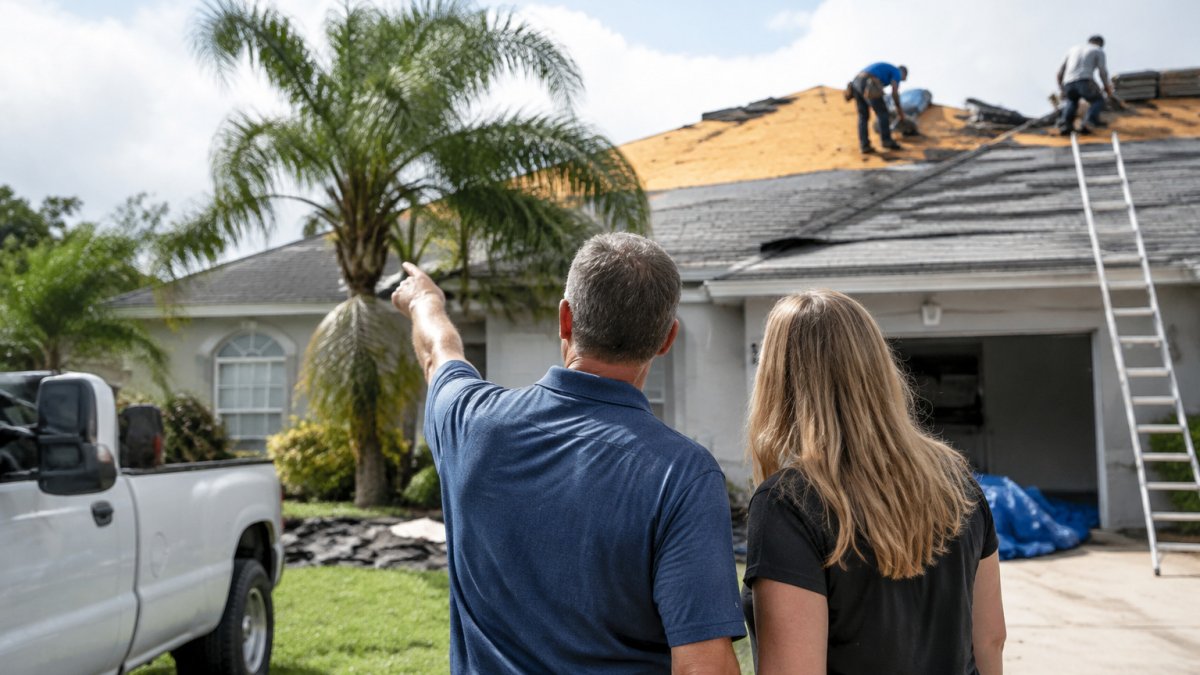
If you spot these signs, slow down. Review the steps to take after hurricane roof damage so you know what to do next. Call your insurer or the DBPR before you sign anything.
Booking Your Storm Restoration Consultation With LRI Restorations
Once you have shortlisted companies and checked their credentials, compare them against the standards in this guide. At LRI Restorations, we are a family-owned and operated company with more than 25 years of industry experience. We manage permitting, engineering, and final inspections, and we specialize in navigating insurance claims, so you do not have to manage each step yourself. Our customers give us a 94% recommend rating based on 16 reviews.
If you are dealing with storm damage on Florida's Gulf Coast, request a consultation with LRI Restorations to review your damage, and we will walk you through a written estimate and the steps for your claim.
Frequently Asked Questions
How do you find a good restoration company?
Start with local companies that have a physical office, active state licensing and current general liability and workers' compensation insurance. Ask for proof of both, check reviews across several platforms, and request references from recent storm jobs in your area. Compare at least three written estimates before signing, and be wary of any company that asks you to sign a contract on the spot or pressures you to let it handle your insurance claim without a written agreement.
Will homeowners insurance pay for storm damage?
Most standard homeowners policies cover sudden storm damage such as wind-torn shingles or water entering through a storm-created opening, but they typically exclude flood damage, which requires a separate National Flood Insurance Program or private flood policy. Coverage also depends on your deductible, which in many coastal states is a percentage of your dwelling coverage rather than a flat amount. Review your policy declarations page and document damage with photos before any repairs begin.
How can I verify a restoration company's license and insurance?
Look up the contractor's license on your state's licensing board website, using the exact business name and license number printed on their estimate. Then ask the company to send a current certificate of insurance directly from its insurance agent, and call the agent to confirm the policy is active. Verify the certificate lists you as the certificate holder if the work involves a permit or lender requirement.
How do I avoid storm repair contractor scams?
Avoid contractors who knock on doors right after a storm, offer to waive your deductible, or ask you to sign a direction-to-pay form before the scope of work is finalized. Confirm the company has a physical address and local phone number, get every promise in writing, and never pay the full balance upfront. Check that any permit your project requires is pulled in your name or the contractor's licensed name.