 How-to
Roof Tear-Off Explained: What Homeowners Should Expect
Last Updated: November 25, 2026
Quick Summary
A roof tear-off is the removal of your existing roofing down to the wooden roof deck, followed by inspection, any needed deck repairs, and installation of the new roofing system. Most residential tear-offs take a few days rather than a few hours, and your contractor should provide a written schedule before the crew arrives.
- Old roofing is removed in sections, which keeps your home protected from rain during the work.
- Soft or rotted decking must be repaired or replaced before underlayment and new roofing go down.
- Plan for the work to take a few days rather than a few hours.
- Ask your contractor how deck-repair discoveries are handled and whether the contract includes a decking allowance.
- Getting schedule, dumpster placement and crew contact details confirmed before the crew arrives prevents most day-of surprises.
Table of Contents
- What a Roof Tear-Off Involves
- Roof Tear-Off Timeline: Day by Day
- How to Prepare for Roof Replacement at Home
- Noise, Debris, and Daily Disruption During a Tear-Off
- Roof Decking Inspection: What Happens After Shingles Come Off
- Weather Delays, Landscaping, and Protecting Your Property
- Scheduling Your Roof Tear-Off With LRI Restorations
- Frequently Asked Questions
What a Roof Tear-Off Involves
A roof tear-off is the removal of your existing roofing down to the roof deck, which is the wooden base under the shingles. Once the old layers are gone, the crew inspects the deck and installs the new roofing system.
Here's the part many homeowners don't expect: a tear-off isn't always the only option. Some roof replacements can be done by installing new roofing over existing material. Whether a full tear-off is needed depends on the condition of your roof and what your local building requirements allow, so ask your contractor to explain which approach fits your home.
A tear-off usually includes:
- Removing shingles or other roofing materials down to the deck
- Hauling away old debris in a dumpster
- Inspecting the deck for rot, damage or water intrusion
- Repairing or replacing damaged decking
- Installing underlayment and the new roofing system
Roof Tear-Off Timeline: Day by Day
Most residential tear-offs move quickly, but the exact schedule depends on roof size, weather and how much decking needs repair. Plan for the work to take a few days rather than a few hours. Your contractor should give you a written schedule before the crew arrives.
| Phase | Typical timing | What happens |
|---|---|---|
| Pre-project walkthrough | 1-3 days before start | Confirm scope, permits, material delivery, dumpster placement and crew contact |
| Setup and protection | Morning of Day 1 | Tarps over landscaping, dumpster set, staging area marked, safety perimeter established |
| Tear-off | Day 1 (often into Day 2 on larger roofs) | Old roofing removed in sections; debris loaded into dumpster |
| Deck inspection and repair | Immediately after tear-off | Rotted or soft decking identified and replaced before any new material goes down |
| Underlayment and flashing | Same day as deck sign-off | Moisture barrier, ice-and-water membrane at valleys and penetrations, metal flashing set |
| Roofing installation | Day 2-3 | Shingles or roofing system installed row by row; ridge vent and other components finished |
| Final cleanup and walkthrough | Last half-day | Magnetic sweep of yard and driveway, dumpster haul-away, contractor walkthrough and punch list |
Before the Crew Arrives
Before work begins, your contractor should confirm the schedule, permits and material delivery.
A few practical questions to ask at this stage: Will the dumpster sit on the driveway or the street? What time will the crew start and finish each day? Will portable toilets be brought in? Who is the on-site lead, and what is their direct phone number? Getting these answers up front prevents most day-of surprises.
Removal and Installation Phases
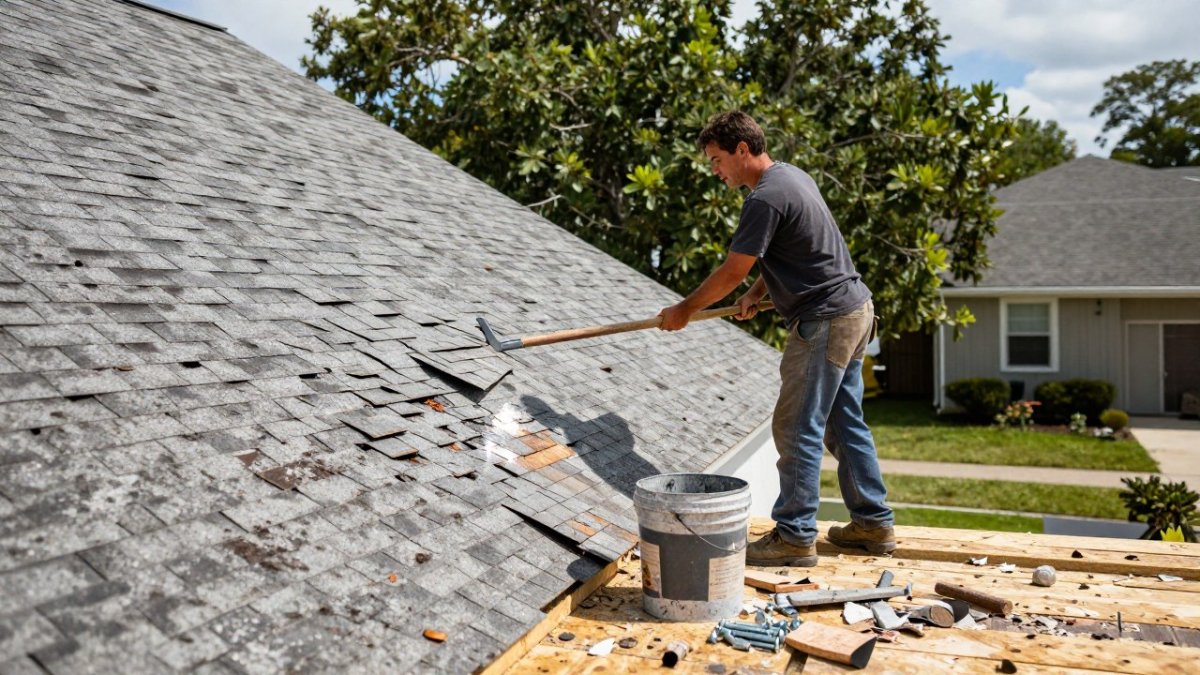
On the first day, the crew usually removes the old roofing in sections, which keeps your home protected from rain. Once the deck is exposed, the crew checks it closely and makes any needed repairs.
The next phase covers the new installation:
- Underlayment: A protective layer goes over the deck to guard against moisture. Synthetic underlayment is now common and is typically faster to install than traditional felt.
- Flashing and vents: Metal flashing and new vent components are set at valleys, chimneys and penetrations. This is also when ridge vent and intake vent details are finalized.
- Roofing material: The new shingles or roofing system is installed row by row. Architectural shingles are the most common choice on residential re-roofs.
- Cleanup: The crew removes nails, magnets sweep the yard and debris goes to the dumpster.
Watch out: if the crew finds soft decking, the schedule can slip by a day or more because deck replacement must be completed and inspected before underlayment goes down. Ask your contractor in advance how they handle deck-repair discoveries and whether the contract includes a per-sheet decking allowance.
What Can Stretch the Timeline
Several factors routinely add time: a second layer of old shingles that must be removed, steep or complex roof geometry, chimney and skylight flashing that needs rebuilding, and rainy or windy days that stop work for safety. If your roof has multiple valleys, dormers or a low pitch, expect the installation phase to run longer than the tear-off phase.
How to Prepare for Roof Replacement at Home
Good preparation makes the project smoother. Use this checklist before the crew arrives:
- Move vehicles out of the driveway and away from the house
- Take down wall art, mirrors and anything that could shake loose
- Close and secure windows, especially on upper floors
- Trim tree branches that hang over the roof
- Move patio furniture, grills and outdoor décor away from the work zone
- Photograph your home and yard so you have a record of its condition
- Confirm the contact person and phone number for the crew
Also plan for pets and kids, since loud noise and foot traffic on the roof can be stressful for them.
Noise, Debris, and Daily Disruption During a Tear-Off
Expect noise. Pulling off shingles and hammering new ones is loud, and it usually starts early in the morning. Many homeowners find the first day the hardest, then get used to the routine.
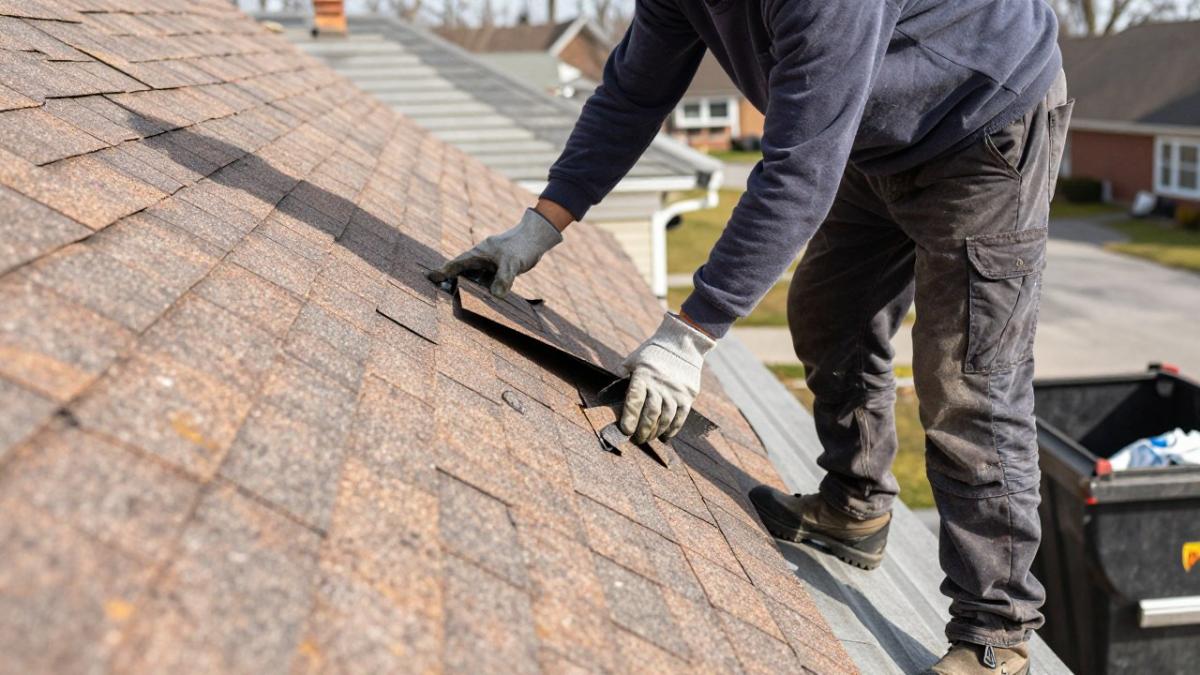
Debris is part of the process too. Small pieces of shingle, nails and granules can land in your yard, so the crew should use magnetic sweepers and tarps to clean up. If you have a home office, consider working elsewhere on the noisiest days.
If you're thinking about upgrades like new windows while your roof is open, our guide on whether impact windows are worth installing during a roof replacement covers the tradeoffs.
!Roofing crew removing shingles from a residential roof on a sunny morning, with a dumpster and tarps visible below
Roof Decking Inspection: What Happens After Shingles Come Off
Once the shingles are gone, the crew examines the roof deck. Soft, rotted or water-damaged decking must be replaced before new roofing goes on. The inspection also reveals any storm damage that was hidden under the old shingles. Replacing damaged decking also means removing the compromised wood and shingles carefully, so roofing project waste disposal becomes part of keeping the work area safe and orderly.
What the Crew Is Looking For
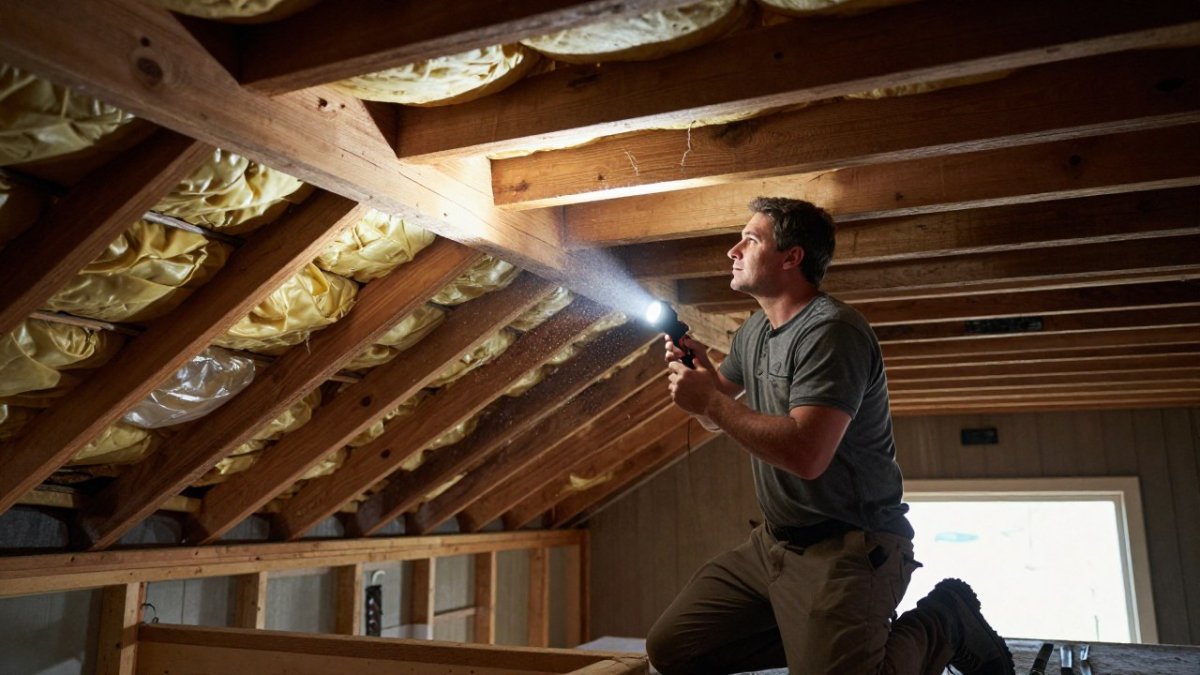
A deck inspection is more than a quick walk. The crew is checking for:
- Soft or spongy spots that give underfoot, which usually indicate rot or long-term moisture exposure
- Delamination where plywood layers separate, a sign the deck has been wet and dried repeatedly
- Sagging between rafters, which can point to undersized or damaged framing as well as decking
- Water staining and active leaks around chimneys, valleys, skylights and vent penetrations
- Loose or backed-out fasteners and nail pops that can telegraph through new shingles
- Previous patchwork that may not meet current attachment requirements
How Deck Repair Scope Is Decided
Ask your contractor before the project starts how deck repair is handled, including whether the contract includes a decking allowance and how replaced sheets are documented.
Why the Inspection Matters More Than the Shingles
New shingles over a compromised deck will not last. Fasteners cannot hold in rotted wood, and trapped moisture under a failing deck can shorten the life of the entire roofing system. The inspection is also the moment when hidden storm damage, lifted fasteners, cracked sheets, water intrusion around penetrations, becomes visible. Knowing which building code rules apply to underlayment and decking is worth checking, too. Our guide on roof underlayment requirements for Florida building code explains what to look for, and our article on signs of hidden storm damage on a roof can help you understand what the crew may find.
What You Should Receive After the Inspection
Ask your contractor to walk you through the deck findings before installation continues. If the crew recommends structural repairs beyond decking, get that scope in writing before work proceeds.
Weather Delays, Landscaping, and Protecting Your Property
Weather is the biggest source of delays. Rain, high winds and lightning stop the crew, and the team will cover open sections with tarps to protect your home. Plan for some flexibility in your schedule.
Protect your landscaping by asking the crew where the dumpster and materials will go. Cover shrubs and flower beds, and ask for a final yard cleanup before the crew leaves.
For a full picture of the schedule, see our roof replacement timeline guide, and if you want to understand what follows removal, our step-by-step guide to new roof installation walks through each phase.
Scheduling Your Roof Tear-Off With LRI Restorations
A roof tear-off is a big project, and the right contractor makes it far less stressful. LRI Restorations is a family-owned and operated company with over 25 years of industry experience. We manage comprehensive project management from permitting to final walkthrough.
Our team specializes in navigating insurance claims and handles multi-phase jobs for occupied and operational sites. Ready to plan your project? Get a quote from LRI Restorations and we'll explain the process for your specific roof.
Frequently Asked Questions
How long does a roof tear-off take?
Most residential tear-offs are completed within one to three days, depending on roof size, pitch, the number of layers being removed, and weather. A larger or more complicated roof, or one with multiple layers of old shingles, takes longer. Ask your project manager for a day-by-day schedule before work begins so you know what to expect.
Is a roof tear-off noisy?
Yes. Prying up shingles, hammering nails, and dropping debris into a dumpster are loud, and the noise is usually heaviest during the first day of removal. If you work from home or have young children or pets, plan to be away or set up a quiet space indoors for the day.
Should I stay home during a roof tear-off?
You do not need to be home for the entire project, but being reachable is helpful. Someone should be available to move vehicles, secure fragile items, and answer questions when the crew needs decisions, such as about hidden damage. Before the work starts, confirm with your contractor who the on-site contact will be and how you will receive updates during the day.
Will roofers inspect the decking after removing the shingles?
Yes. Once the old shingles and underlayment are off, the crew checks the roof deck for rot, water damage, and soft spots. Ask how any additional decking repairs will be documented and priced before they are completed.