 Comparison
Is Emergency Structural Shoring Worth the Cost?
Quick Summary
Emergency structural shoring is worth the cost when a damaged building shows signs of movement and the expense is smaller than the losses from further collapse or damage. Shoring holds the structure in place while an engineer assesses the damage and permanent repairs are designed. Get a written, itemized quote and a structural engineer's assessment before deciding.
- Shoring is a safety measure that holds a damaged structure in place; it is not a finished repair.
- Typical invoices include mobilization, engineering, labor, equipment, permits, and duration.
- Rental charges continue for the full period the shores remain installed, so duration drives cost.
- Compare the shoring quote against injury, building damage, business interruption, and expanded repair costs.
- Document all damage with photos and engineer reports before shoring is installed to support insurance claims.
Table of Contents
- What Emergency Structural Shoring Does and When It Is Needed
- What Emergency Shoring Typically Costs
- Weighing Shoring Costs Against the Risk of Further Damage
- Temporary Structural Shoring Versus Permanent Repair
- Emergency Shoring After Storm Damage and Insurance Coverage
- Structural Integrity Inspection After a Storm
- Getting a Shoring Assessment and Quote From LRI Restorations
- Frequently Asked Questions
What Emergency Structural Shoring Does and When It Is Needed
Emergency structural shoring is temporary support installed to hold up a damaged or unstable building until permanent repairs can be made. When a wall, floor, or roof member is compromised, shoring carries the load so the structure does not fail further. For property owners asking whether emergency structural shoring is worth the cost, the answer starts with understanding what it does and when it is required.
Shoring is typically needed after events that shift or weaken load-bearing elements. Storm damage, fire damage, rot, foundation movement, and impact from a vehicle or nearby construction can all create conditions where a sagging beam, cracked wall, or leaning column poses an immediate hazard. Common warning signs include doors that suddenly stick, diagonal cracks in drywall, floors that slope, and visible bowing in exterior walls.
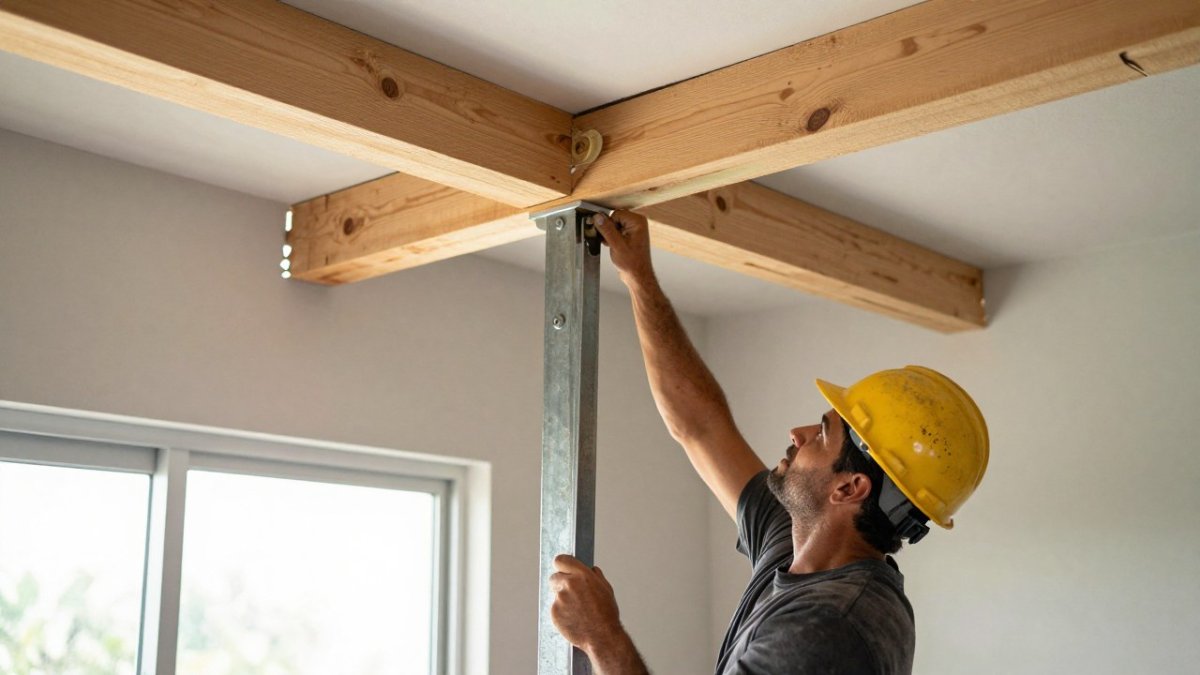
Shoring is a safety measure, not a finished repair. Adjustable steel posts, timber shores, and bracing frames hold the structure in place while an engineer assesses the damage and a permanent fix is designed. Skipping this step is where owners get into trouble, because a compromised structure can move without warning, especially once a storm has passed and the building is loaded with water or debris.
What Emergency Shoring Typically Costs
Emergency shoring pricing depends on several variables. Understanding what drives the number helps you ask for a clear, itemized quote. The scope of work, the number and type of supports, the site's accessibility, the duration the shores remain in place, and whether an engineer's design is required all affect the final figure.
A typical emergency shoring invoice breaks into six line items. Mobilization covers crew travel, equipment delivery, and site setup, and it often carries a minimum charge even for a small job. Engineering and design covers the structural engineer who reviews the damage and specifies the shoring layout; this is frequently required by the local building department before work begins. Labor is billed by the hour or by the crew-day, and emergency or after-hours calls usually carry a premium. Equipment includes adjustable steel posts, timber shores, bracing frames, hydraulic jacks, and the rental clock on all of it. Permits and inspection fees vary by jurisdiction. And duration is the wild card: rental charges continue for the entire period the shores remain installed, so a short emergency installation that stays in place for a few days costs very differently from one that remains for several months while permanent work is scheduled.
General construction-cost trends are also rising. Engineering News-Record's Building Cost Index rose 4.2% in 2025, while structural steel prices rose 11.9%, according to Tax Credit Advisor's 2026 U.S. Construction Costs Q2 Update. Those figures describe construction costs generally, not emergency shoring specifically, but they help explain why material and labor budgets have grown.
For an accurate figure, request a written quote that itemizes equipment, labor, engineering, and rental duration. Ask what happens if the timeline extends beyond the original estimate, and ask whether the quote includes removal of the shores once permanent repairs are complete. Watch out: a quote that bundles shoring and permanent repair into one number can hide which costs are temporary and which are permanent, so insist on separate line items for each phase.
The article breaks a typical emergency shoring invoice into six line items:
| Line item | What it covers | Note |
|---|---|---|
| Mobilization | Crew travel, equipment delivery, site setup | Often has a minimum charge |
| Engineering and design | Structural engineer's review and shoring layout | Often required by the local building department |
| Labor | Crew work billed hourly or by crew-day | Emergency or after-hours calls usually cost more |
| Equipment | Steel posts, timber shores, bracing frames, jacks | Rental charges run for the full installed period |
| Permits and inspection | Fees set by jurisdiction | Vary by jurisdiction |
| Duration | Rental time while shores remain in place | The main variable in total cost |
Weighing Shoring Costs Against the Risk of Further Damage
The real question is not whether shoring costs money. It is whether the cost is smaller than the damage that could follow if the structure is left unsupported. Shoring is worth paying for when the risk of further movement, collapse, or secondary damage outweighs the rental and labor expense.
A practical decision framework helps. First, is there visible movement, such as a sagging beam, a leaning wall, diagonal cracks that are widening, or doors that suddenly stick? Second, has a licensed structural engineer or qualified inspector assessed the damage in writing? Third, is the building occupied or does it need to remain accessible? Fourth, is the damage progressing, or has it stabilized? If the answer to the first question is yes and the second question has not been answered, shoring should be treated as urgent until an engineer says otherwise.
Shoring is not the only option, and comparing it against alternatives clarifies the value. Evacuation and restricted access remove people from the hazard but do nothing to stop the building from moving; they are appropriate when the structure is unsafe to enter but the owner cannot yet authorize work. Temporary repairs, such as patching a roof or bracing a door, may slow water intrusion but rarely carry structural loads.
Delay is the variable owners underestimate most. Each week a damaged structure remains unsupported increases the chance of additional movement, water intrusion, mold, and deterioration. The cost of waiting often shows up later as a larger repair bill. The research available to us does not quantify how often shoring prevents collapse or how much it saves on average, so any claim about typical savings would be speculation.
Temporary Structural Shoring Versus Permanent Repair
Temporary shoring and permanent repair solve different problems, and confusing them leads to poor budgeting. Shoring holds a structure in its current position. A permanent repair restores the structure to its intended condition, which might mean replacing a beam, underpinning a foundation, or rebuilding a wall.
Shoring is usually the first step, not the last. Once the building is stable, a permanent solution can be engineered and installed. In some cases the shores remain in place during the entire repair. In others, they come down as soon as the new member is in service.
Keep the two budgets separate when you request quotes. A contractor who bundles shoring and repair into one number may be obscuring which costs are temporary and which are permanent. Ask for line items so you can see how long the temporary support will remain and what it adds to the total project cost.
LRI Restorations manages projects from permitting and engineering through final inspection, which helps owners coordinate stabilization and repair phases.
Emergency Shoring After Storm Damage and Insurance Coverage
Storm damage is one of the most common reasons property owners need emergency shoring, and insurance coverage often determines who pays. Policies vary, and whether shoring is covered depends on the policy language, the cause of the damage, and whether the work was documented properly.
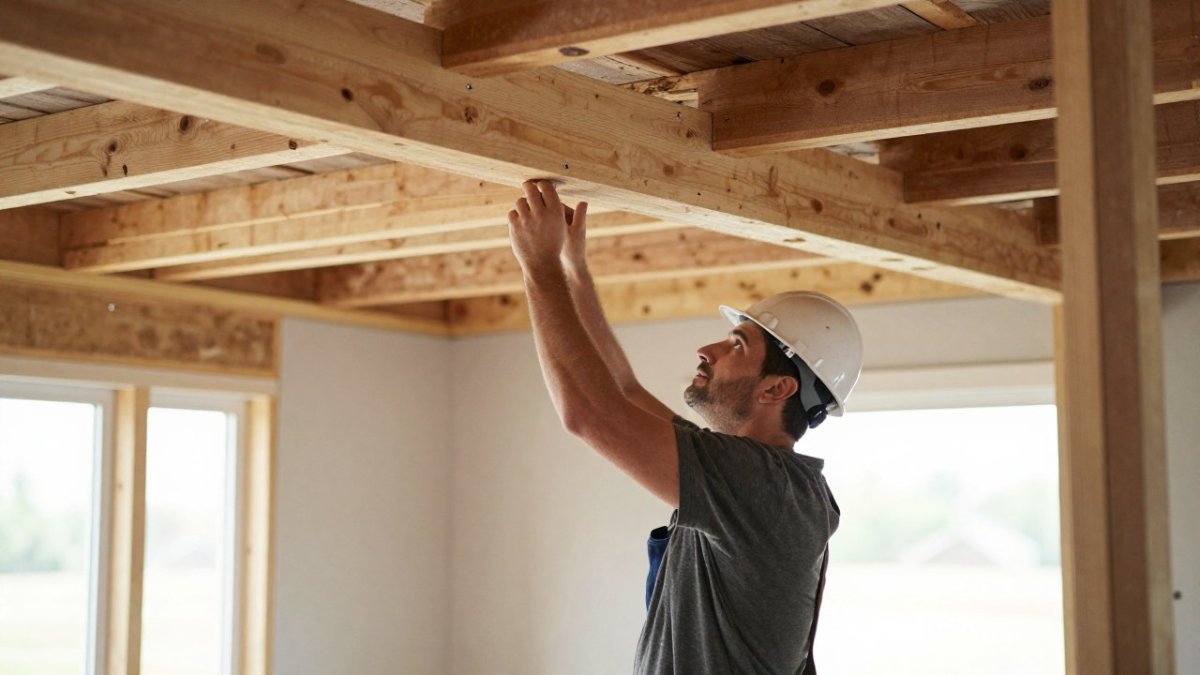
Document everything before any shoring is installed. Photograph the damage from several angles, record timestamps, and keep copies of any engineer's reports. Insurers generally expect proof that the damage was sudden and that protective measures were taken to prevent further loss. Shoring installed to prevent additional damage is often treated as a mitigation cost, but adjusters may question the scope if documentation is thin.
Work with your insurer early. Notify them of the damage as soon as possible, and ask whether emergency mitigation requires pre-approval. Some policies require the policyholder to take reasonable steps to protect the property, and failing to do so can complicate a claim.
If an insurer denies part of a claim, appeal in writing and include the engineer's assessment. LRI Restorations specializes in navigating insurance claims and helps property owners understand what documentation supports emergency work. For a broader guide on insurance decisions after damage, read our resource on Is Emergency Siding Repair Covered by Insurance? and our guide to how to challenge denied storm insurance claims.
Structural Integrity Inspection After a Storm
A structural integrity inspection is the step that determines whether shoring is needed at all. After a storm, a qualified inspector or structural engineer examines the foundation, walls, floors, roof framing, and connections for signs of movement, cracking, or water damage that may not be visible from the surface.
Inspection matters because storm damage is often hidden. Water can weaken wood framing, loosen connections, and saturate insulation without leaving obvious marks. Our guide on signs of hidden storm damage on a roof covers warning signs that owners can check before the inspector arrives, and our article on why structural checks matter after a storm explains what inspectors look for and why timing matters.
Ask the inspector for a written report that states whether the structure is stable, what temporary measures are recommended, and whether a permanent repair plan is needed. That report supports insurance claims, contractor bids, and any permit applications that follow.
Getting a Shoring Assessment and Quote From LRI Restorations
If your property shows signs of structural stress after a storm, the most useful next step is a professional assessment. A thorough review identifies which elements need support, how long temporary shoring will be needed, and what permanent repairs will follow. That information lets you compare costs realistically and decide whether shoring is the right investment.
LRI Restorations is a family-owned and operated construction company serving Florida's Gulf Coast. Owner Frank Lewis has over 25 years of experience in the roofing industry. We manage the project from permitting and engineering through final inspection, and we specialize in navigating insurance claims. Our work is built to withstand Florida's weather, and clear communication is part of the process throughout the job.
Pricing depends on site conditions, so request a written quote for an accurate figure. To request an assessment and a written, itemized quote, contact LRI Restorations for a shoring evaluation. Before hiring any contractor, confirm their licensing, and review our guide on how to verify licensed Florida contractors.
Frequently Asked Questions
Is shoring considered structural?
Yes. Shoring is a temporary structural support system, typically timber or adjustable steel posts, braces, or jacks, installed to carry loads while a building element is compromised. It does not replace the permanent structure. Shoring is designed to hold a damaged wall, floor, roof, or foundation in place so further movement or collapse is prevented until a permanent repair can be engineered and completed. Because it carries real loads, shoring should be designed or approved by a qualified structural engineer and installed by people experienced with temporary works.
How much does emergency structural shoring cost?
Emergency shoring pricing depends on the number of supports, the height and load involved, site access, how long the shoring must stay in place, and whether engineering is required. Rental and labor are usually billed for the full time the supports remain installed, so duration matters as much as the initial installation. The most accurate figure comes from a site assessment and written quote. Ask for an itemized estimate covering installation, rental period, engineering, and removal.
Does homeowners insurance cover emergency structural shoring after storm damage?
Coverage depends on the policy and on whether the shoring is needed to protect the property from damage the policy covers. Many insurers treat reasonable emergency mitigation as part of a covered loss, but they may deny or reduce charges they consider unnecessary. Keep photos, engineering reports, invoices, and daily notes on conditions before and after installation. LRI Restorations specializes in navigating insurance claims, but coverage determinations rest with the insurer.
How long can temporary structural shoring stay in place?
Shoring can remain in place for as long as the structure needs support, which may be weeks or many months depending on the scope of permanent repairs, permitting, and material lead times. Because rental and labor costs typically continue for the full duration, delays in permanent repair can raise the total cost. A timeline set early in the project, with the engineer and contractor agreeing on the repair sequence, helps control these expenses.