 blog
Is a Metal Roof Better Than Shingles in a Hurricane?
Last Updated: November 3, 2026
Quick Summary
There is no universal winner in the metal vs shingle roof for hurricane zones debate. A metal roof and an asphalt shingle roof can both survive a hurricane and both can fail, because wind performance depends on the complete roofing system rather than the material name on the invoice.
- Steel and aluminum tariffs of 25% or higher in early 2026 pushed metal material costs up 12% to 18%.
- A metal roof typically lasts far longer than asphalt shingles, so you may compare one metal roof against two shingle roofs over 20 years.
- Wind ratings describe a complete roof assembly, not a bare panel or shingle.
- Standing seam panels attach with concealed fasteners and raised seams, reducing points where wind can grab and lift.
- Ask your insurer which roof features qualify for wind mitigation credits and what documentation verifies each one.
Table of Contents
- Metal Roof vs Shingle Roof for Hurricane Zones: The Short Answer
- Metal vs Shingle Roof Cost: Upfront Price and Long-Term Value
- Metal Roof vs Asphalt Shingles Wind Resistance: What the Ratings Actually Mean
- Standing Seam Metal Roof Systems: Fastening, Uplift, and Installation Quality
- The Best Roof Shape for Hurricane Winds
- Hurricane Damage Beyond Wind Uplift: Debris, Driving Rain, and Corrosion
- Building Codes, Product Approvals, and Insurance for Hurricane Roofs
- Getting a Hurricane-Ready Roof Assessment From LRI Restorations
- Frequently Asked Questions
Metal Roof vs Shingle Roof for Hurricane Zones: The Short Answer
There is no universal winner in the metal vs shingle roof for hurricane zones debate.
The Building America Solution Center guide to high-wind roof installation makes the point clearly. Installation practices matter as much as the product itself.
That single fact should reshape how you shop. Below, we break down cost, wind ratings, fastening, roof shape, storm damage beyond wind, and the code and insurance questions most guides skip.
Metal vs Shingle Roof Cost: Upfront Price and Long-Term Value
Asphalt shingles cost less upfront than metal, and that gap has widened recently. For a closer look at metal roofing cost per square foot in Florida, see our pricing guide. According to RoofVista's 2026 metal vs shingles comparison, steel and aluminum tariffs of 25% or higher enacted in early 2026 pushed metal roofing material costs up 12% to 18% compared with late 2025. That is a material-cost figure, not an installed price, so treat it as a signal rather than a quote.
Why Metal Material Costs Have Climbed
Metal is a commodity product tied to steel and aluminum markets. Tariffs move those markets fast, and roofing contractors pass the change through. Shingles are petroleum-based too, but the recent shock hit metal harder. If you were quoted a metal roof last year and are pricing it again now, expect a different number.
Maintenance, Repair, and Replacement Over 20 Years
This is where the math flips. A metal roof typically lasts far longer than an asphalt shingle roof, so over a 20-year horizon you may be comparing one metal roof against two shingle roofs. Metal also resists algae and handles heat better in a hot, humid climate, which Complete Roofing's comparison of metal and shingle performance notes as a real advantage in warm, storm-prone regions. Shingles stay cheaper to patch after isolated damage, though.
| Factor | Metal Roof | Asphalt Shingles |
|---|---|---|
| Upfront material cost | Higher, and rising | Lower |
| Lifespan | Long | Shorter, often replaced within 20 years |
| Repair after isolated damage | Harder, panel-matched | Easier, shingle-matched |
| Algae and heat performance | Strong | Moderate |
| Wind uplift when installed correctly | Strong | Good to strong by grade |
Metal Roof vs Asphalt Shingles Wind Resistance: What the Ratings Actually Mean
Wind ratings describe a complete roof assembly, not a bare panel or shingle. That is the distinction most homeowners miss, and it is the reason apples-to-apples comparisons are so hard to find. A shingle rated to a high wind speed and a metal panel rated to the same speed are not automatically equal in a storm, because the rating assumes correct underlayment, fasteners, edge metal, and deck attachment.
Where the Numbers Come From
Roofing product wind ratings are generally established through standardized testing. Two reference points matter most:
- ASTM test standards. ASTM International publishes the test methods used to evaluate wind uplift and wind-driven rain resistance for roof systems. A manufacturer's published rating should trace back to a specific ASTM method, not a marketing claim.
- Product approval and evaluation reports. Many jurisdictions require a product approval or an evaluation report (for example, an ICC Evaluation Service report) that documents the tested assembly, the allowable wind speed, and the installation conditions the rating depends on.
A rating typically applies only when the roof is built as tested, so changes to deck, fasteners, underlayment, or edge details may affect it.
Reading Metal and Shingle Ratings Side by Side
Metal panels and asphalt shingles are tested and rated differently, which is why a direct number-to-number comparison misleads.
- Metal. Ratings usually attach to a panel profile plus a fastening schedule and substrate. Standing-seam panels with concealed fasteners and exposed-fastener panels are separate systems with separate ratings. A panel rated for a high wind speed on one deck may carry a lower rating on another.
- Asphalt shingles. Ratings attach to a shingle product installed with a specified number of fasteners, in a specified pattern, over a specified underlayment. For impact-resistant shingles for Florida homes, including costs and code details, see our guide.
A fair comparison is assembly against assembly, with the approval documents in hand.
The Questions That Expose a Weak Quote
Ask every contractor one question: what wind speed is this entire assembly rated for, and can you show me the product approval? A number without a report behind it is marketing. Then follow up:
- Which test standard and which approval report back the rating?
- Does the proposed fastening schedule match the tested assembly?
- Are the edge metal, underlayment, and deck attachment part of the rated system?
- What is excluded from the rating?
A wind speed quote should name the assembly it applies to and be supported by an approval document.
Standing Seam Metal Roof Systems: Fastening, Uplift, and Installation Quality
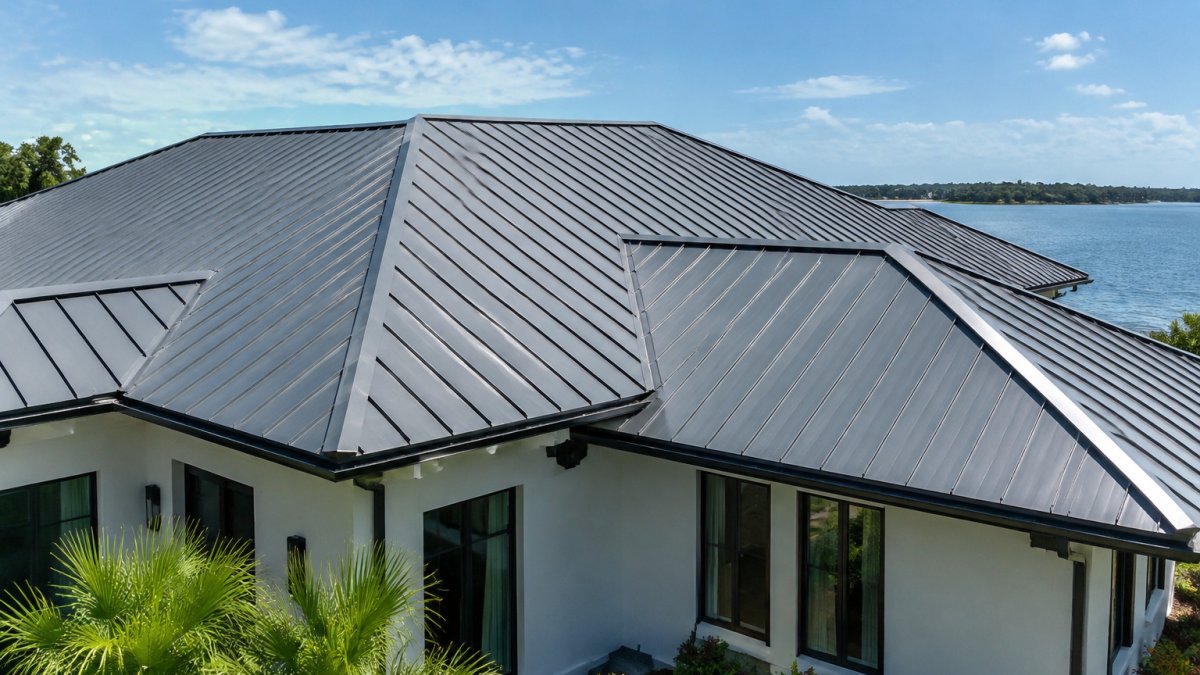
Standing seam metal roofing is the strongest metal option for high-wind performance because the panels attach with concealed fasteners and raised seams, which reduces the points where wind can grab and lift.
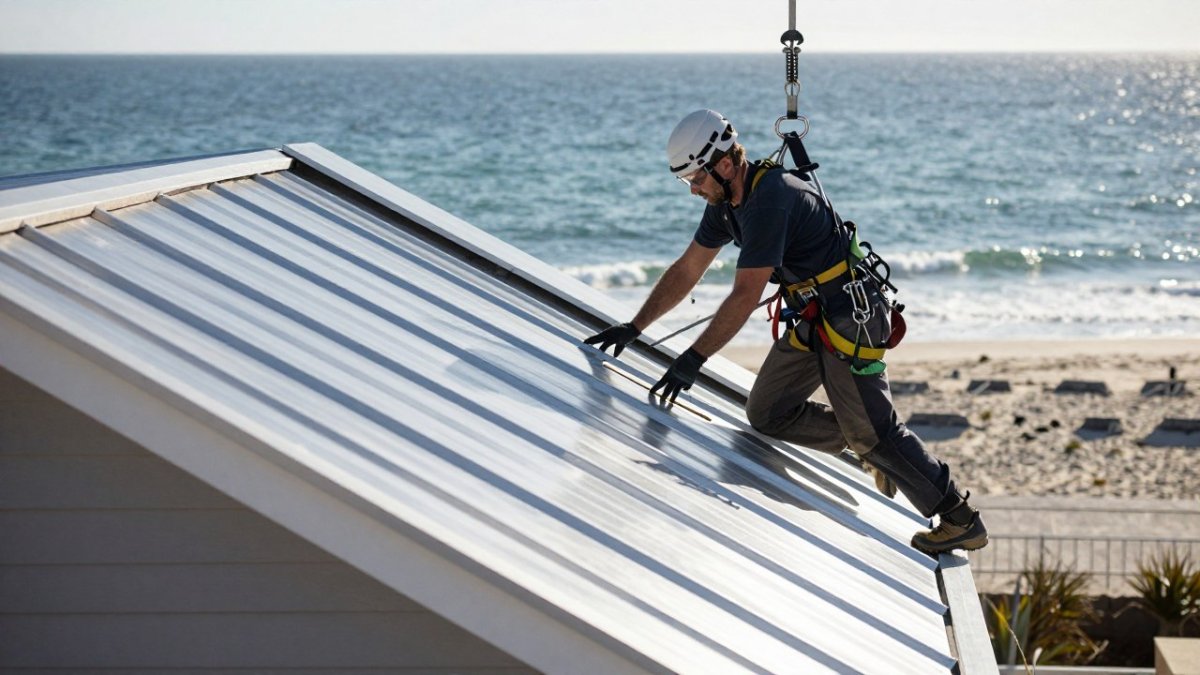
Interlocking panel systems take a different approach. Interlock Roofing's description of its interlocking panel system states that properly installed panels lock on four sides. Neither claim comes with comparative test data in the sources, so weigh them as design intent, not proof.
Watch out: the most common failure we see is a good panel on a bad deck. Fastener spacing, edge metal, and deck attachment decide whether the system holds.
The Best Roof Shape for Hurricane Winds
Roof shape affects how wind loads are distributed, and an inspector or qualified contractor can advise on the shape that suits your site and local requirements.
Roof edges and corners take the highest wind loads on any shape. That means edge metal, drip edge, and fascia attachment deserve as much attention as the field of the roof. A hip roof with weak edges is still a weak roof.
Hurricane Damage Beyond Wind Uplift: Debris, Driving Rain, and Corrosion
Wind uplift gets all the attention, but windborne debris, driving rain, and salt-air corrosion do plenty of damage on their own. Impact resistance matters because a breached roof lets driving rain into the attic, and water intrusion often causes more interior loss than the missing shingles. To compare how different materials handle debris, rain, and corrosion, see our guide to the best roofing materials for hurricane zones.
Coastal climate adds corrosion to the list. Fasteners and cut edges are the first to go, which is why metal roof type and shingle grade distinctions matter so much near the water.
Building Codes, Product Approvals, and Insurance for Hurricane Roofs
Building codes and product approvals decide whether your roof is legal, insurable, and eligible for wind mitigation credits. A roof that meets code is not automatically a roof your insurer will reward, so check both. This is the section most guides skip, and it is where the real money and risk sit.
How Wind Zones and Code Editions Shape Your Options
Hurricane wind requirements are generally set through model codes and standards that jurisdictions adopt. The key variables:
- Wind speed maps and exposure categories. Modern model codes use wind speed maps that assign design wind speeds by location and risk category, and exposure categories that account for terrain and surroundings. A roof acceptable a few miles inland may not satisfy requirements on an exposed coastal site.
- Code edition. Jurisdictions may adopt different editions of the model codes on different timelines. Confirm the edition in force where you build with your local building department.
- High-wind provisions. Model codes include high-wind sections covering fastening, deck attachment, edge metal, and underlayment that go beyond the base roof requirements. These provisions are where most hurricane performance is actually specified.
Because adoption varies, the only reliable step is to verify the requirements with the local building department or a qualified contractor before selecting a product. A roof designed to the wrong edition or the wrong wind speed can fail inspection or fail to qualify for credits.
What a Product Approval Actually Certifies
A product approval or evaluation report documents that a specific product, installed a specific way, met a specific test standard. It is not a blanket endorsement of the material. Read it for:
- The tested assembly, including deck, underlayment, fasteners, and edge details
- The allowable wind speed and any limitations
- The installation instructions the approval depends on
If the installed roof deviates from the approved assembly, the approval may not cover it. That matters at inspection and at claim time.
Insurance Credits: What to Ask, Not What to Assume
Some insurers offer wind mitigation discounts for verified roof features. Credits are generally granted on documentation, so ask your insurer what is required.
Ask your insurer or agent three questions before you sign a contract:
- Which roof features qualify for credits in this policy?
- What documentation is required to verify each feature?
- Does the product approval or installation method affect eligibility?
Verify any discount in writing, and keep the approval documents and inspection records with your policy file. If a claim is already in dispute, contact LRI Restorations to discuss how we can help with insurance claims. You can also read our guide on how to navigate storm damage insurance claims.
Getting a Hurricane-Ready Roof Assessment From LRI Restorations
Before hurricane season, get your roof assessed rather than guessed at. If damage has already happened, our guide on steps to take after hurricane roof damage walks you through what to do next.
LRI Restorations is family owned and operated, with more than 25 years of roofing experience and a focus on navigating insurance claims. We manage permitting, engineering, and final inspections so you are not chasing subcontractors. For a quote, contact LRI Restorations.
Frequently Asked Questions
Is a metal roof better than shingles in a hurricane?
It depends on the full roofing system, not the material label. A properly installed metal roof with rated panels, correct fasteners, and a sealed roof deck can perform well in high winds, and standing seam designs minimize wind-uplift points. Asphalt shingles remain a lower-initial-cost option and can meet wind ratings when installed to code. The deciding factors are the assembly's wind rating, the installation quality, and whether the product is approved for your area's building codes.
How does metal vs shingle roof cost compare over time?
Pricing depends on the roof's size, pitch, and materials chosen. For current pricing, contact LRI Restorations for a quote. Long-term value depends on lifespan, maintenance, repair frequency, and how your insurer prices the risk. Ask LRI Restorations for a quote that breaks down both options for your roof.
Are standing seam metal roofs more wind-resistant than shingles?
Standing seam panels attach with concealed fasteners and raised seams, which reduces the number of points where wind can grab an edge. Englert notes that standing seam designs minimize wind-uplift points. That does not make them hurricane-proof on their own. Performance still depends on panel gauge, clip spacing, deck condition, and edge detailing.
Does roof shape affect hurricane wind resistance?
Yes. Roof shape affects how wind loads are distributed. Roof pitch, overhang length, and how edges are secured also change uplift forces. A roof shape that performs well still needs the right underlayment, fasteners, and edge metal. An inspector can tell you whether your current shape and framing meet wind requirements for your area.
The real challenge is not choosing between metal and shingles. It is finding a contractor who will show you the assembly rating, the product approval, and the paperwork your insurer needs. LRI Restorations handles comprehensive project management from permitting to final walkthrough, keeps communication clear at every phase, and builds work meant to withstand Florida's weather. Get started with LRI Restorations and get a roof assessment you can actually act on.